
What Are the Real Pros and Cons of Living in Fairfax VA?

Searching for the pros and cons of living in Fairfax, VA usually points to one of two places: the independent City of Fairfax, or the much larger Fairfax County that wraps around it. This guide is about the City of Fairfax, the compact six square mile city built around Old Town, and it weighs the genuine upsides against the trade offs that rarely make the brochure. As a Fairfax, Virginia real estate team that works this market every week, our aim is simple: an honest, two sided read so you can decide whether Fairfax is worth it for your budget, your commute, and your stage of life.
Plenty of articles will tell you Fairfax is wonderful. Fewer will tell you what it actually costs to live here, how competitive the buyer market still is under $750,000, or why your electric bill is climbing. We cover all of it below, then point you to deeper resources for the parts that deserve their own guide.
Quick Answer: The biggest pros of living in the City of Fairfax, VA are top ranked Fairfax County public schools, a walkable Old Town, central access to DC, Tysons, and Dulles, and a real estate tax rate slightly lower than surrounding Fairfax County. The biggest cons are high home prices (median near $700,000 in early 2026), a competitive buyer market, Virginia's annual car tax, rising electricity bills tied to regional data center growth, and traffic on Route 50, Route 123, and nearby I-66. Fairfax is worth it for buyers who value schools, location, and long term stability over the lowest possible monthly cost.
Key Takeaways
- The City of Fairfax is its own jurisdiction with its own government and tax rate, separate from Fairfax County, though city students attend Fairfax County Public Schools.
- Home prices are the single largest cost. The City median sat around $700,000 to $717,000 in early 2026, with most single family homes between $750,000 and $1.3 million.
- The City of Fairfax FY2026 real estate tax rate of $1.055 per $100 is actually lower than Fairfax County's $1.1225, a small but real advantage.
- Ongoing costs include Virginia's annual vehicle (car) tax and Dominion electric bills that have risen as Northern Virginia data centers strain the grid.
- Fairfax fits families, federal and tech professionals, and long term owners better than buyers chasing the lowest price or maximum walk to Metro convenience.
In This Guide
- City of Fairfax vs. Fairfax County: Which One Are You Asking About?
- The Upside: Reasons People Choose the City of Fairfax
- The Cons and Trade-Offs of Living in Fairfax, VA
- Pros and Cons at a Glance
- Who Fairfax, VA Fits Best (and Who It Doesn't)
- How the City of Fairfax Compares to Nearby Options
- Already Own in Fairfax? What a Move Looks Like
- How to Decide If Fairfax Is Right for You
- The Honest Bottom Line on Fairfax, VA
- Frequently Asked Questions
- Glossary
City of Fairfax vs. Fairfax County: Which One Are You Asking About?
This distinction trips up almost every newcomer, and it changes your tax bill, your address, and sometimes your expectations. The City of Fairfax is an independent city of roughly six square miles and about 24,000 residents. It sits entirely surrounded by, but legally separate from, Fairfax County. The City runs its own government, police department, and downtown (Old Town Fairfax), and it sets its own real estate tax rate.
Schools are the one big exception. The City does not operate its own school division. Instead, it contracts with Fairfax County Public Schools, so children living in the City of Fairfax attend the same nationally ranked FCPS schools as county residents. That arrangement is part of why the City carries a premium: you get one of the strongest public school systems in the country without leaving a small, walkable downtown.
Because the lifestyle perks of the broader area are mostly county wide, this guide stays focused on what is specific to the City itself: its prices, its taxes, its commute, and the trade offs of choosing a small jurisdiction inside a giant metro. If you want the full lifestyle deep dive across the county, see our companion piece, Fairfax County: A Masterclass in Quality of Life.
Why the difference matters
A home one street inside the City limit and a home one street into the County can look identical but bill differently. The City sets its own tax rate, issues its own vehicle decals and personal property bills, and handles its own permits. Always confirm which jurisdiction a specific address falls in before you budget.
The Upside: Reasons People Choose the City of Fairfax
We will keep this section tight, because the upside is well documented and most buyers already sense it. The short version: the City of Fairfax pairs big metro access with small town texture, and that combination is rare in Northern Virginia.
Schools that hold their value
City students attend Fairfax County Public Schools, the eleventh largest district in the country, serving roughly 183,000 students with a 93.3 percent on time graduation rate and an average SAT around 1183. For families, that school access is the main reason homes here hold their resale value through market cycles.
A walkable downtown plus central location
Old Town Fairfax gives the City a genuine center: restaurants, the farmers market, and community events within walking distance for many neighborhoods. From there you are roughly 30 to 45 minutes from downtown DC, 10 to 20 minutes from Tysons, and about 15 minutes from Dulles International Airport. George Mason University sits just outside the City limits, adding culture, events, and a steady rental base.
A slightly lower tax rate than the County
Here is an upside most buyers miss. The City of Fairfax FY2026 real estate tax rate is $1.055 per $100 of assessed value, while Fairfax County's is $1.1225. On a $750,000 assessment, that gap is roughly $500 a year in the City's favor. It will not make or break affordability, but it is a real, recurring advantage of being inside the City line.
Those are the headline benefits. Rather than restate the full quality of life case here, we will let the cons do the heavy lifting, since that is where buyers usually get surprised.
Before you tour a single home, know your budget, your timeline, and your negotiation position in a market where well priced homes still draw multiple offers. Our buyer strategy session is free and built around your numbers.
The Cons and Trade-Offs of Living in Fairfax, VA
This is the part most lifestyle articles skip. None of these are deal breakers on their own, but together they explain why Fairfax is not the right call for everyone. Go in with eyes open.
High home prices and a competitive buyer market
The cost of entry is the headline drawback. In early 2026 the City of Fairfax median sale price ran roughly $700,000 to $717,000, with most single family homes landing between $750,000 and $1.3 million, townhomes around $525,000 to $800,000, and condos from the mid $300,000s. Move in ready single family homes under $750,000 are scarce, and the well priced ones still attract multiple offers. The City posted a sale to list ratio near 101.5 percent in January 2026, with roughly 42 percent of homes selling above asking that month. Buyers who want larger lots and a more rural, high end setting sometimes explore life in Great Falls at the top of the market.
The one bright spot for buyers: overpriced and dated homes now sit longer than they did a year ago. That gives disciplined buyers real negotiation leverage on the right listing, something that barely existed during the most extreme low inventory years.
Property taxes and Virginia's annual car tax
Real estate taxes here are predictable but not small. The City assesses at 100 percent of fair market value, so a $850,000 home at the $1.055 rate runs close to $8,970 a year before any exemptions. The bigger surprise for newcomers is Virginia's annual personal property tax on vehicles, often called the car tax. Every locality levies it yearly on the assessed value of your cars. For reference, Fairfax County's vehicle rate is $4.57 per $100 with partial state relief on the first $20,000 of value, and the City sets its own comparable rate. If you are moving from a state without a yearly car tax, build that recurring bill into your budget.
Budget reality check
Many newcomers price a home on mortgage and homeowners insurance alone, then get caught by the combination of real estate tax, annual car tax, and a rising electric bill. Add all of it up before you decide what you can comfortably carry.
Cost of living beyond the mortgage
Fairfax is more expensive than roughly 85 to 90 percent of the country, and almost all of that premium is in housing. Groceries, gas, and everyday expenses run moderately above the national average rather than dramatically so. The offset is income: median household income sits around $132,000 in the City and about $153,000 across the County, which is why the math works for many dual income households and stings for single income ones.
Data center growth and rising electricity bills
This is the newest cost pressure, and it is region wide. Northern Virginia hosts the largest concentration of data centers in the world, and they now account for more than a quarter of Dominion Energy's load in the area. As demand has climbed, so have residential bills. Dominion's State Corporation Commission approved 2026 rate change adds roughly $11 to $16 a month to a typical bill, pushing the average residential bill toward $165 a month, and Northern Virginia electric bills are up about 14.5 percent since 2022.
Proximity is the other half of the story. A state review found that a striking share of Fairfax County data centers sit within a few hundred feet of homes, which raises neighborhood concerns about noise, backup generators, and views in some corridors. The City of Fairfax itself is not a data center hub, so the proximity issue is far more acute in parts of the County and in Loudoun. A new large load rate class takes effect in 2027 and is designed to shift more of the grid cost back onto data center operators, but for now the rising bill is a shared cost of living here.
Commuting and traffic realities
Location is a pro until rush hour. Route 50 (Fairfax Boulevard), Route 123, and Route 29 carry heavy local traffic through and around the City, and nearby I-66 is one of the region's most congested corridors. Off peak drive times are reasonable, but plan for 30 to 45 minutes to DC during the morning crush, and longer when weather or an incident hits.
No Metrorail station inside the City limits
Unlike Arlington or parts of Alexandria, the City of Fairfax has no Metrorail station within its boundaries. The nearest is the Vienna/Fairfax-GMU station on the Orange Line, just outside the City, and the City runs the CUE bus to connect riders to it. For a true walk to rail lifestyle, the City is a compromise: you get Metro access, but you usually drive, bus, or park to reach it. That station sits just inside neighboring Vienna, so if rail access matters it is worth understanding why Vienna has become one of the region's luxury hotspots in its own right.
Typical drive time from the City of Fairfax (off peak)
Estimates for off peak driving. Rush hour adds 15 to 30 minutes on most routes.
Pros and Cons at a Glance
Here is the balanced summary, side by side, so you can weigh the trade offs at a glance before reading on.
| Pros of living in Fairfax, VA | Cons and trade-offs |
|---|---|
| Access to top ranked Fairfax County Public Schools | High home prices, median near $700,000 in early 2026 |
| Walkable Old Town with restaurants and events | Competitive market, multiple offers under $750,000 |
| Central to DC, Tysons, and Dulles | Virginia's annual car tax plus real estate tax |
| City tax rate ($1.055) below the County ($1.1225) | Rising Dominion electric bills tied to data centers |
| Strong long term resale and value retention | Route 50, Route 123, and I-66 traffic at peak |
| Small jurisdiction feel with its own services | No Metrorail station inside City limits |
Who Fairfax, VA Fits Best (and Who It Doesn't)
No existing guide answers the real question buyers are asking: is this place a fit for me, specifically? The trade offs above land very differently depending on your household, your budget, and what you actually value day to day. Here is the honest cut.
Fairfax is likely a strong fit if you
- ✓ Have school age children and want access to nationally ranked FCPS schools
- ✓ Are a dual income or federal/tech household comfortable in the $700,000 to $1.2 million range
- ✓ Plan to stay five years or longer and value resale stability
- ✓ Want a walkable downtown but still expect to drive for most trips
- ✓ Commute to Tysons, Dulles, or the wider county more than to the DC core
Fairfax may not be the right call if you
- ✗ Need the lowest possible monthly housing cost on a single income
- ✗ Want a true walk to Metro lifestyle without owning a car
- ✗ Commute daily into the heart of DC and want the shortest rail trip
- ✗ Plan to move again within a couple of years and cannot ride out a soft patch
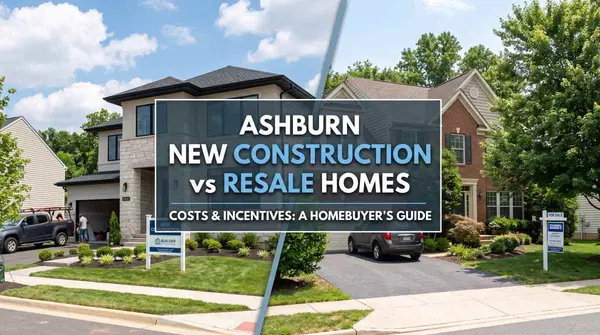
- ✗ Want brand new construction, since the City's housing stock skews older and lots are smaller
Earlier career buyers weighing whether this stage of life fits the area may also want to see why Northern Virginia has become a hotspot for young professionals, since that demand shapes both prices and the rental market around Fairfax.
If you are relocating from out of the area and want the logistics covered in depth, including neighborhood breakdowns and what to know before you move, read our full Moving to Fairfax VA guide. This article is the neutral overview; that one is the relocation playbook.
How the City of Fairfax Compares to Nearby Options
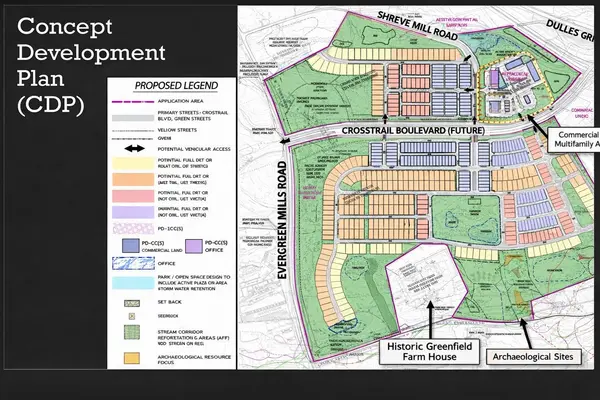
Part of deciding whether Fairfax is worth it is knowing what else your money buys nearby. If the cons above push you to look around, the most common alternatives are the newer planned communities of Loudoun County to the west, where you trade some commute time and data center proximity for more new construction and, in places, lower entry prices.
Closer in, several established Northern Virginia towns invite a direct comparison. If the walkable, historic feel of Old Town Fairfax appeals to you, Falls Church offers a similar small town character near DC. Families comparing newer suburbs often weigh what makes Chantilly a great place to call home against the City of Fairfax, since each balances price, commute, and lifestyle differently.
| Factor | City of Fairfax | Loudoun County (general) |
|---|---|---|
| Housing stock | Older, established, smaller lots | More new construction and planned communities |
| Commute to DC | Shorter, more central | Longer from the western towns |
| Data center proximity | Low inside City limits | High in eastern Loudoun corridors |
| Feel | Small walkable downtown | Master planned, amenity rich |
If a Loudoun comparison makes sense for you, the community pages below are a good next step. For a sense of the newer Loudoun lifestyle, what makes Sterling a good place to live is a useful starting point. Each links to a specific city or neighborhood so you can compare prices, schools, and lifestyle directly against the City of Fairfax.
Explore Loudoun County Communities
Comparing the City of Fairfax against Loudoun or the wider county is easier when you can see real, active listings side by side. Browse what is on the market right now and save the ones worth a closer look.
Already Own in Fairfax? What a Move Looks Like
If you already own here and the cons are pushing you toward a change, the other side of the equation is what you walk away with. Fairfax's high values cut both ways: they make buying expensive, but they also mean strong equity for sellers. The lever you control most is your cost to sell, and the largest line item there is the listing commission.
The Jamil Brothers Realty Group offers a 1.5 percent full service listing fee in Northern Virginia, which includes professional photography, drone video, 3D tours, partner led negotiation, and full MLS marketing. Compared with a traditional 3 percent listing fee, that difference goes straight to your bottom line without reducing service. You can see exactly how the program works on our 1.5% full service listing page. The calculator below shows the math at several price points common in the Fairfax market.
Seller Savings Calculator
How much more do you keep with our 1.5% listing fee?
Select your home's estimated value to see your real net proceeds, side by side.
Traditional Agent — 3%
Our Fee — Only 1.5%
Extra in your pocket
$6,000
vs. a traditional 3% listing agent, with zero reduction in service or marketing.
Traditional Agent — 3%
Our Fee — Only 1.5%
Extra in your pocket
$7,500
vs. a traditional 3% listing agent, with zero reduction in service or marketing.
Traditional Agent — 3%
Our Fee — Only 1.5%
Extra in your pocket
$9,000
vs. a traditional 3% listing agent, with zero reduction in service or marketing.
Traditional Agent — 3%
Our Fee — Only 1.5%
Extra in your pocket
$11,250
vs. a traditional 3% listing agent, with zero reduction in service or marketing.
Traditional Agent — 3%
Our Fee — Only 1.5%
Extra in your pocket
$15,000
vs. a traditional 3% listing agent, with zero reduction in service or marketing.
Estimates only. Closing costs vary. Buyer's agent commission is negotiable.
Want a precise figure for your specific home rather than a round number? Run your own breakdown with our seller net sheet, or start with a free home valuation so you know your equity before you decide anything.
Before you commit to a move, get a clear read on your equity and your real cost to sell in the Fairfax market. We provide a full seller consultation at no cost or obligation.
How to Decide If Fairfax Is Right for You
If you are still weighing it, here is a simple sequence that turns a fuzzy gut feeling into a clear decision.
Build the full monthly number
Add mortgage, real estate tax, homeowners insurance, the annual car tax spread monthly, and a realistic Dominion electric bill. This is the figure that decides comfort, not the list price.
Pin down your real commute
Drive your actual route at the actual time you would travel. Off peak numbers flatter Fairfax. Rush hour tells the truth.
Confirm the jurisdiction and school zone
Verify whether the address is in the City or the County, and confirm the specific assigned schools. Both affect taxes and daily life.
Compare against one realistic alternative
Put Fairfax next to one Loudoun or county option in your budget. Seeing the trade offs in real listings makes the decision concrete.
Decide on a horizon, not a moment
Fairfax rewards owners who stay. If your plans are likely to change within a couple of years, factor that into whether buying here makes sense at all.
The Honest Bottom Line on Fairfax, VA
So, is Fairfax VA worth it? For the right buyer, yes, and the reasons are durable: school access, location, and value that holds through cycles. For the wrong buyer, the same place feels expensive and car dependent, with a tax and utility load that creeps up over time. The smart move is not to ask whether Fairfax is good in the abstract. It clearly is. The better question is whether this specific trade off fits your budget, your commute, and how long you plan to stay.
That is exactly the kind of decision a local team should help you stress test before you commit. Whether you are buying into Fairfax, comparing it against Loudoun, or weighing a sale of a home you already own here, the next step is the same: get the real numbers in front of you.
Bring your budget and your questions. We will pressure test the trade offs with you, compare Fairfax against realistic alternatives, and help you decide with clear numbers instead of a gut feeling. No pressure, no obligation.
Frequently Asked Questions
What are the main pros and cons of living in Fairfax, VA?
The main pros of living in the City of Fairfax are access to top ranked Fairfax County Public Schools, a walkable Old Town, central location near DC, Tysons, and Dulles, and a real estate tax rate slightly below the surrounding County. The main cons are high home prices with a median near $700,000 in early 2026, a competitive buyer market, Virginia's annual car tax, rising Dominion electric bills tied to regional data center growth, and rush hour traffic on Route 50, Route 123, and nearby I-66. Most buyers find Fairfax worth it if they value schools and location over the lowest possible monthly cost.
Is the City of Fairfax different from Fairfax County?
Yes. The City of Fairfax is an independent city of about six square miles with roughly 24,000 residents, surrounded by but legally separate from Fairfax County. The City has its own government, police, downtown, and tax rate. The key overlap is schools: the City contracts with Fairfax County Public Schools, so city children attend the same FCPS schools as county residents. Always confirm which jurisdiction a specific address falls in, because it affects your tax bill.
How much does a house cost in Fairfax, VA?
In early 2026 the City of Fairfax median sale price ran roughly $700,000 to $717,000. Most single family homes fall between $750,000 and $1.3 million, townhomes range from about $525,000 to $800,000, and condos start in the mid $300,000s. Move in ready single family homes under $750,000 are scarce and competitive, while overpriced or dated homes now sit longer, giving prepared buyers some negotiating room.
Is Fairfax, VA expensive to live in?
Fairfax is more expensive than roughly 85 to 90 percent of the country, and nearly all of that premium is in housing. Groceries, gas, and daily expenses run moderately above the national average rather than dramatically so. Higher local incomes help offset the cost, with median household income around $132,000 in the City and about $153,000 across the County, which is why the math works more easily for dual income households.
What is the property tax rate in the City of Fairfax?
The City of Fairfax FY2026 real estate tax rate is $1.055 per $100 of assessed value, which is lower than Fairfax County's $1.1225 per $100. Both jurisdictions assess at 100 percent of fair market value. On a $750,000 home, the City rate works out to roughly $500 a year less than the County rate. Virginia also levies an annual personal property (car) tax that newcomers should add to their budget.
Why are electric bills rising in Northern Virginia?
Northern Virginia hosts the largest concentration of data centers in the world, and they now make up more than a quarter of Dominion Energy's load in the region. That demand has driven grid investment and higher bills. A 2026 rate change approved by the State Corporation Commission adds roughly $11 to $16 a month to a typical bill, and area electric bills are up about 14.5 percent since 2022. A new large load rate class beginning in 2027 is designed to shift more of the cost back onto data center operators.
How long does it take to buy a home in Fairfax, VA?
From a signed contract to closing, plan on about 30 to 45 days for a financed purchase. Finding the right home can take anywhere from a few weeks to a few months, depending on price point and how competitive your target neighborhood is. In the under $750,000 range, well priced listings move fast, so being pre approved and ready to act shortens the search.
Does the City of Fairfax have a Metro station?
No Metrorail station sits inside the City limits. The nearest is the Vienna/Fairfax-GMU station on the Orange Line, just outside the City, and the City operates the CUE bus to connect residents to it. For commuters who want a true walk to rail lifestyle without a car, the City is a compromise compared with Arlington or parts of Alexandria.
Are the schools in Fairfax good?
Yes. City of Fairfax students attend Fairfax County Public Schools, the eleventh largest district in the country, serving about 183,000 students with a 93.3 percent on time graduation rate and an average SAT near 1183. School access is one of the main reasons homes in and around Fairfax hold their value through market cycles.
How do I choose the right real estate agent in Fairfax?
Look for an agent with deep, current knowledge of the specific Fairfax submarket, a clear marketing plan, transparent fees, and verifiable reviews and results. Ask how they price, how they handle multiple offer situations, and exactly what their fee includes. The Jamil Brothers Realty Group works the Fairfax market daily, holds NVAR Lifetime Top Producer recognition, and offers a 1.5 percent full service listing fee for sellers that keeps marketing and service fully intact.
What mistakes should I avoid when moving to or buying in Fairfax?
The most common mistakes are budgeting on the mortgage alone and forgetting the car tax, the real estate tax, and a rising electric bill; testing the commute only at off peak times; and assuming an address is in the County when it is in the City, or vice versa, which changes the tax bill. Buyers also underestimate how fast well priced homes under $750,000 move, so being pre approved and decisive matters.
Is now a good time to buy in Fairfax, VA?
Early 2026 is a more balanced market than the extreme low inventory years. Well priced, move in ready homes still draw strong demand and occasional multiple offers, especially under $750,000, but overpriced and dated listings sit longer, which gives disciplined buyers more leverage than they have had in a while. The right time depends on your finances and timeline more than on trying to time the market.
Glossary
Independent City
A Virginia city that is not part of any county and provides its own local government and services. The City of Fairfax is one of these.
Assessed Value
The value a locality places on your property for tax purposes. In Fairfax, both the City and County assess at 100 percent of fair market value.
Personal Property (Car) Tax
A yearly Virginia tax on the assessed value of vehicles. Each locality sets its own rate, with partial state relief on part of a vehicle's value.
Sale-to-List Ratio
The final sale price divided by the last list price. A figure above 100 percent means homes are selling for more than asking on average.
Days on Market (DOM)
How long a listing stays active before going under contract. Lower numbers signal a faster, more competitive market.
FCPS
Fairfax County Public Schools, the public school division that educates City of Fairfax students under a contract with the City.
Net Proceeds
The amount a seller keeps after the sale price minus commission, closing costs, and other fees. A seller net sheet estimates this number.
Large Load Rate Class
A new Virginia electricity rate category for very high use customers like data centers, intended to shift more grid costs onto them starting in 2027.
Explore More
Browse Every Corner of the DMV Market
Whether you're searching by budget, neighborhood, or buying situation — find exactly what you need below.
Virginia Homes by Budget
Washington DC Homes by Budget
Maryland Homes
Explore Northern Virginia Communities
Loudoun County
Fairfax County & Surrounding
Ready to Make a Move?
Full-Service · No Tradeoffs
List for 1.5% & Keep More Equity
Professional photography, drone video, 3D tours, and expert negotiation — all included. On an $800K home, that's $12,000 more in your pocket vs. a 3% agent.
See the 1.5% Program →Need Speed or Certainty?
Get a No-Obligation Cash Offer
Skip the showings, skip the contingencies. If timing or condition matters more than top dollar, a cash offer may be the right fit. We'll walk you through every option.
Explore Cash Offers →Categories
- All Blogs (1238)
- Buyer Guide (7)
- Buying a home (2)
- Buying Strategies (30)
- festivals (1)
- General Blog (66)
- Market Intelligence (28)
- Market Updates (7)
- Notable Properties For Sale (32)
- Real Estate Tips, News, and More (396)
- Seller Guide (1)
- Seller Guides (59)
- Selling Your Home (525)
- Top Realtors in Northern Virginia (58)
Recent Posts




Let's Connect