
How to Increase Your Home's Value Before Selling in Loudoun County
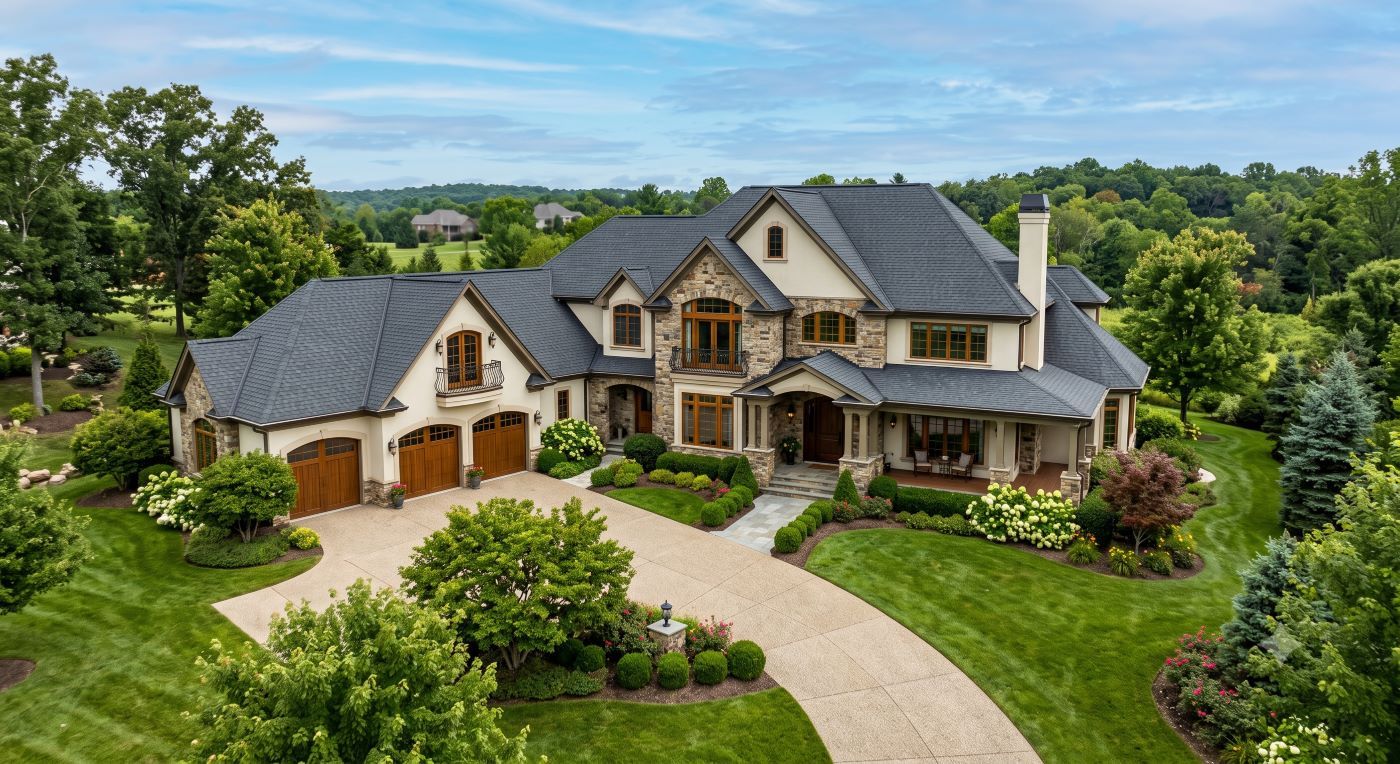
Before you list, the natural question is how to increase your home's value so it sells for the most it possibly can. The encouraging news is that the improvements that move the needle most are usually not the biggest or most expensive ones.
As Loudoun County home-selling experts, The Jamil Brothers Realty Group help sellers spend where it counts and skip what does not pay off. This guide covers what actually increases home value, the best-ROI improvements, the must-fix repairs, the popular upgrades that may or may not be worth it, and how to localize all of it to what Loudoun buyers reward, drawn from our work as a top-rated real estate team in the DMV.
Quick Answer: The best way to increase your home's value before selling is to spend on presentation and condition, not on major renovations. The highest returns come from a deep clean and declutter, fresh neutral paint, curb-appeal improvements, and fixing anything a buyer's inspection would flag, typically $1,000 to $5,000 that returns far more than it costs. Targeted kitchen and bathroom refreshes add value cost-effectively, while full remodels rarely recoup their full price when done purely to sell. The single most important step is pricing to your improved condition with a professional comparative market analysis, because presentation and pricing together, not expensive upgrades, drive your final number.
Key Takeaways
- Presentation beats renovation: cleaning, decluttering, paint, and curb appeal deliver the highest return per dollar.
- Fix what inspections flag: unresolved repairs cost you more in negotiation than they cost to fix.
- Best-ROI improvements are cosmetic and exterior: paint, flooring refresh, garage door, and entry updates lead the list.
- Kitchens and baths sell homes, but target refreshes, not full remodels, to protect your return.
- Not every popular upgrade pays: pools, solar, and luxury finishes have mixed or negative returns when done to sell.
- Don't over-improve for the neighborhood: spending past local norms rarely comes back at closing.
- Loudoun buyers reward move-in-ready: clean, updated, and sound beats grand-but-dated every time.
In This Guide
- What actually increases home value
- How appraisers and buyers see value
- Start here: the highest-ROI moves
- Best-ROI home improvements
- Kitchen updates that add value
- Bathroom updates that add value
- Your room-by-room value checklist
- Curb appeal and first impressions
- Staging: the cheapest value boost
- Repairs that protect your value
- Does it add value? Big-ticket upgrades
- Renovations that add value vs. money pits
- How much should you spend?
- Timing your improvements before listing
- A four-week value-boosting plan
- What Loudoun County buyers value most
- How pricing captures the value you added
- Seller savings calculator
- Frequently asked questions
- Glossary
What Actually Increases Home Value
It helps to understand what buyers and appraisers actually reward. Value is not created by how much you spend, but by how much a buyer will pay for the result.
Four things drive a home's value more than anything else: its condition (clean, sound, and well maintained), its updates (modern, neutral finishes that feel current), its curb appeal (the first impression that colors everything after), and its comparables (what similar homes nearby have recently sold for).
Notice what is not on that list: sheer size of a renovation or the cost of a project. A $60,000 kitchen remodel does not add $60,000 of value. But a $3,000 refresh that makes the whole home feel cared for can lift your sale price by far more than it cost. That gap between cost and value is the entire game.
The rest of this guide is organized around that principle: spend first on the things that return the most, fix what could scare a buyer, and be honest about the upgrades that do not pay off.
How Appraisers and Buyers See Value Differently
It helps to know that two different people judge your home's value, and they weigh things differently.
An appraiser works from data: recent comparable sales, square footage, lot size, condition, and permitted improvements. They assign value objectively and largely ignore staging, paint color, or how "fresh" a home feels.
A buyer reacts emotionally first. A clean, updated, move-in-ready home feels worth more, generates more competition, and produces higher offers, which is what actually lifts your sale price.
The practical lesson is that you need both. Presentation improvements like paint, staging, and curb appeal win the buyer and drive the offer, while sound condition and strong comparables support the appraisal that follows. Improvements that do both, a refreshed kitchen, a finished basement, a repaired roof, are the safest places to spend.
Start Here: The Highest-ROI Moves
Before any renovation, start with the low-cost, high-impact work. These items cost the least and return the most, and they set up everything else.
Deep clean and declutter
A professionally clean, decluttered home photographs better, shows larger, and signals that the property has been maintained. It is the cheapest value boost available, and it shapes how buyers judge everything else they see.
Fresh, neutral paint
Paint is the highest-return improvement dollar for dollar. Fresh neutral color throughout ($3,000 to $6,000 professionally) makes a dated home feel current and move-in ready, which directly lifts perceived value.
Curb appeal
Buyers form an opinion before they walk in. Mulch, trimmed landscaping, a power-washed exterior, and a fresh front door cost little and pay off disproportionately.
Depersonalize
Removing personal photos and clutter lets buyers picture their own life in the home, which is what turns a showing into an offer. Our prep-to-sell checklist for Loudoun County walks through this stage step by step.
Before you spend a dollar on improvements, know your starting number. Get a free Home Valuation from The Jamil Brothers, plus advice on which updates will actually pay off for your specific home and neighborhood. Response within 24 hours.
Best-ROI Home Improvements
When people ask about the best-ROI home improvements, they are really asking where a dollar spent returns the most at resale. The pattern is consistent, and often surprising: the highest returns come from cosmetic and exterior work, not from expensive interior remodels.
| Improvement | Typical Recouped Value | Return |
|---|---|---|
| Deep clean & declutter | Far exceeds cost | Highest |
| Fresh neutral paint | Far exceeds cost | Highest |
| Curb appeal & landscaping | Often 100%+ | Highest |
| Garage door replacement | ~90–100%+ | High |
| Steel/entry door replacement | ~90–100% | High |
| Minor kitchen refresh | ~70–85% | Good |
| Flooring refresh (LVP/carpet) | ~70–80% | Good |
| Full kitchen/bath remodel | ~50–70% | Lower |
| Pool, sunroom, luxury add-ons | Often below cost | Lowest |
The tiers tell the story: presentation and exterior work top the list, targeted refreshes sit in the middle, and big remodels or luxury add-ons recoup the least when done purely to sell. Percentages vary by market and year, so treat them as direction, not a promise.
The strategic move is to concentrate your budget at the top of this list, where returns are strongest, and to be cautious about anything near the bottom.
Kitchen Updates That Add Value
Kitchens sell homes, so this is a smart place to invest, as long as you refresh rather than gut. A full remodel done just to sell rarely returns its cost, but targeted updates deliver most of the visual impact for a fraction of the price.
The high-value moves: paint or reface dated cabinets, add modern hardware, replace laminate counters with quartz, update the faucet and lighting, and swap in stainless appliances if the current ones look dated. Together these can transform a kitchen for a few thousand dollars.
What to avoid is moving plumbing, relocating walls, or installing high-end finishes that exceed neighborhood norms. Buyers pay for a kitchen that looks clean, current, and functional, not for a designer showpiece they may want to change anyway.
Bathroom Updates That Add Value
Bathrooms are the second-biggest driver of buyer impressions, and the same refresh-not-remodel rule applies. Focus on the owner's suite and the main guest bath.
Cost-effective updates include a new or repainted vanity, updated mirror and lighting, a new toilet if the current one is dated, fresh grout and caulk, and modern fixtures. Expect roughly $1,000 to $3,000 per bathroom for a dramatic improvement in showing appeal.
A sparkling, updated-looking bathroom reassures buyers that the whole home has been cared for, which supports your price across every room.
Your Room-by-Room Value Checklist
Here is the single highest-impact move in each part of the home, so you know exactly where to focus first.
| Area | Highest-Impact Move |
|---|---|
| Entry / foyer | Fresh paint, an updated light fixture, and a clean, welcoming first impression |
| Living areas | Declutter, neutral paint, and remove oversized furniture to show off the space |
| Kitchen | Cabinet paint or new hardware, updated counters, modern lighting |
| Primary bath | New or painted vanity, fresh grout and caulk, updated mirror and fixtures |
| Bedrooms | Neutral paint, fresh carpet or refinished floors, simple clean staging |
| Basement | Finish or tidy for usable square footage; brighten and declutter |
| Exterior | Curb appeal: mulch, trimmed landscaping, power-wash, fresh front door |
Work through this list in the order your home most needs, and you will spend where buyers actually notice rather than spreading a budget thin across low-impact projects.
Curb Appeal and First Impressions
Curb appeal deserves its own focus because most buyers form an opinion before they ever step inside, from the car, the curb, or the first listing photo.
The highest-impact, lowest-cost exterior moves: mow, edge, and mulch; trim shrubs and fill bare lawn spots; power-wash the siding, walkway, and driveway; paint or replace the front door; and add a fresh welcome mat and a couple of potted plants.
Clean gutters, straight house numbers, and updated exterior lighting finish the picture. None of this is expensive, and together it makes a buyer arrive already wanting to like the home, which is worth real money at the negotiating table.
Staging: The Cheapest Way to Add Perceived Value
Staging is one of the most cost-effective ways to raise the price a buyer will pay, because it sells the lifestyle, not just the square footage.
A staged home helps buyers picture themselves living there, photographs far better online, and often sells faster and for more than an empty or cluttered one. You do not need a full professional job to benefit.
Your options scale to your budget. A staging consultation for an occupied home ($200 to $500) gives you a room-by-room plan, while full staging for a vacant home ($3,000 to $6,000) can pay for itself in a stronger sale. At a minimum, declutter, depersonalize, pull furniture off the walls to create flow, and add light and a few simple accents.
Because most buyers form their first impression online, staging your home for the camera, not just for in-person showings, is where the return really shows up.
Repairs That Protect Your Value
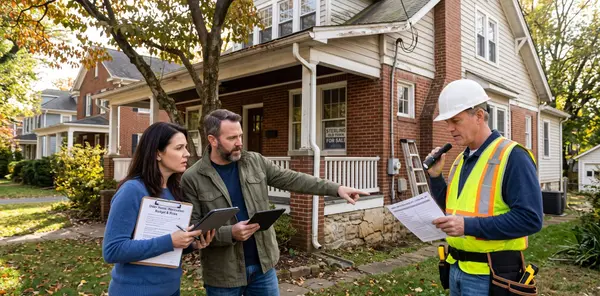
Some spending is not about adding value, it is about protecting the value you already have. Unresolved repair issues surface in the buyer's inspection and become negotiation leverage, usually costing you more off the price than the repair would have cost to fix.
Prioritize the must-fix items before listing: active leaks and water stains, HVAC or electrical issues, broken or fogged windows, damaged flooring or peeling paint, and any non-functioning systems that convey. Our guide to the repairs worth making before selling in Loudoun County separates the fixes that protect your price from the ones that just spend your equity.
A smart step here is a pre-listing inspection. For a few hundred dollars, it surfaces problems while you still control the timeline and the cost, rather than under a contract deadline when a buyer holds the leverage.
⚠️ Use licensed contractors
Electrical, plumbing, roofing, and HVAC work should be done by licensed Virginia contractors with receipts. Unpermitted or amateur repairs routinely surface in the buyer's inspection and can cost you more than doing it right the first time.
Does It Add Value? Big-Ticket Upgrades, Answered
Some of the most-searched questions in real estate are whether a specific big upgrade adds value. Here are honest answers for the ones Loudoun sellers ask about most.
| Upgrade | Adds Value? | The Honest Answer |
|---|---|---|
| New roof | Often | Rarely recoups full cost, but a sound roof removes a major buyer objection and prevents price cuts |
| New windows | Partly | Improves efficiency and appeal; recoups a portion, best when the old ones are clearly failing |
| Solar panels | It depends | Owned panels can add modest value; leased panels often complicate a sale and deter buyers |
| Swimming pool | Usually not | High cost and upkeep; appeals to some buyers but deters others, often below-cost return |
| Landscaping | Yes | Tidy, mature landscaping and curb appeal reliably return more than they cost |
| Finished basement | Yes | Adds usable square footage buyers value; solid return if finished to a good standard |
| Shed / outbuilding | Modest | Useful storage adds minor value; not a needle-mover on its own |
The pattern: upgrades that fix a real problem (a failing roof) or add usable, broadly appealing space (a finished basement, good landscaping) tend to pay off. Expensive, taste-specific additions (a pool, leased solar) often do not. When in doubt, ask what a typical buyer in your neighborhood actually wants, not what you would personally enjoy.
Every home and neighborhood is different. We will walk your property, tell you exactly which improvements will return the most in your market, and estimate your net proceeds, so you invest with confidence, not guesswork.
Renovations That Add Value vs. Money Pits
Not all renovations that add value are worth doing right before a sale. The distinction is whether a buyer will pay you back for the work, and many popular projects simply do not.
Generally worth it before selling
- Cosmetic refreshes: paint, flooring, hardware, and lighting.
- Kitchen and bath updates that modernize without gutting.
- Curb appeal and landscaping.
- Finishing a basement to add usable square footage.
- Fixing anything that would fail an inspection.
Usually not worth it just to sell
- Full gut renovations of kitchens or baths.
- Room additions and structural changes.
- Swimming pools and elaborate hardscaping.
- High-end appliance packages or luxury finishes above neighborhood norms.
- Highly personal choices (bold tile, unusual layouts) a buyer may want to redo.
The core mistake is over-improving. Spending past what comparable homes in your area support does not come back at closing, because your sale price is anchored to the neighborhood, not to your invoice. Improve to be competitive and move-in ready, not to be the most expensive house on the block.
How Much Should You Spend?
There is no single right number, but a useful rule of thumb is to keep pre-listing improvements modest relative to your home's value, concentrating on the high-return items first.
Most Loudoun County sellers land somewhere between $1,000 and $5,000 on preparation: deep clean and declutter, paint, curb appeal, and minor repairs, with a pre-listing inspection running a few hundred dollars. Homes needing more work may justify more, but every dollar should target the top of the ROI list, not the bottom.
Weigh any spending against your net proceeds, not just the sale price. Our breakdown of the cost to sell a home in Loudoun County shows the other line items, commission, taxes, and closing costs, so you can budget improvements in the full context of what you will actually keep.
Timing Your Improvements Before Listing
Sequence matters as much as spend. Rushing improvements is a common way to end up with a longer, more expensive prep than necessary.
The efficient order is to declutter and deep clean first, then complete priority repairs, then handle cosmetic updates like paint and flooring, and finally tackle staging and curb appeal right before photography. Doing it in this order means each step supports the next and nothing gets redone.
Plan for roughly two to four weeks of preparation before listing. Starting early, rather than scrambling once you have decided to sell, is what lets you make the high-return improvements without paying rush premiums or listing before the home is ready.
A Four-Week Value-Boosting Plan
If you want a simple sequence to follow, here is a realistic four-week plan that adds the most value with the least wasted effort.
| Week | Focus | Tasks |
|---|---|---|
| Week 1 | Declutter & deep clean | Remove excess belongings, depersonalize, and deep-clean top to bottom |
| Week 2 | Repairs | Complete must-fix items; consider a pre-listing inspection |
| Week 3 | Cosmetic updates | Neutral paint, flooring refresh, and kitchen and bath touch-ups |
| Week 4 | Stage & photograph | Curb appeal, staging, then professional photography, then list |
Doing the work in this order means each step supports the next, cleaning before painting, painting before staging, staging before photos, so nothing gets redone and every dollar lands where buyers will see it.
What Loudoun County Buyers Value Most
Local context matters, because value is defined by what your specific buyers reward. In Loudoun County, buyers are informed, comparison-driven, and quick to move on from a home that feels neglected.
They consistently value move-in-ready condition, modern neutral finishes, strong curb appeal, and homes that photograph well online, since that is where their search begins. Established communities like Ashburn, Brambleton, South Riding, and Leesburg reward clean, updated, sound homes over grand-but-dated ones.
Because Loudoun runs a competitive market with a sale-to-list ratio near 99%, presentation and pricing decide your final number more than any single upgrade. Make the home competitive, price it to its improved condition, and you put yourself in the strongest position to sell your Loudoun County home for its full value.
The improvements are only half the equation, what you pay to sell is the other half. Our 1.5% full-service listing keeps thousands more of your equity versus a traditional 3% fee, money you can put toward the updates that actually pay off. Prefer speed instead? Ask about a no-obligation cash offer.
How Pricing Captures the Value You Added
Here is the step sellers most often miss: improvements only pay off if your list price reflects them. If you upgrade the home but price it like the old one, you have simply handed buyers a nicer home at the same number.
After you make your improvements, get a fresh comparative market analysis that prices to your home's new condition, benchmarked against updated, move-in-ready comparable sales rather than dated ones. That is how the value you added actually shows up in your final sale price.
Pricing to improved condition also protects you at appraisal, because your supporting comps match the quality a buyer just paid for. Improvements plus accurate pricing is the combination that turns effort into net proceeds, and it is exactly the analysis we bring to every listing consultation.
Seller Savings Calculator
Improvements add value; a lower commission keeps more of it. See what a 1.5% listing fee saves you versus a traditional 3% fee, funds you can reinvest in the updates that pay off.
Interactive · Commission Savings
See What You Keep With a 1.5% Listing Fee
Pick your Loudoun County home value:
Typical 3% Listing Fee
Your Estimated Savings
$6,000
Kept in your pocket at closing versus a traditional 3% listing fee.
Typical 3% Listing Fee
Your Estimated Savings
$7,500
Kept in your pocket at closing versus a traditional 3% listing fee.
Typical 3% Listing Fee
Your Estimated Savings
$9,000
Kept in your pocket at closing versus a traditional 3% listing fee.
Typical 3% Listing Fee
Your Estimated Savings
$11,250
Kept in your pocket at closing versus a traditional 3% listing fee.
Typical 3% Listing Fee
Your Estimated Savings
$15,000
Kept in your pocket at closing versus a traditional 3% listing fee.
Estimates compare a 3% listing-side fee to our 1.5% listing fee. Full-service representation either way. Buyer's-agent commission is separate and negotiable.
Explore Loudoun Communities
Getting Ready to Sell in Your Area?
Frequently Asked Questions
How can I increase my home's value before selling?
Focus on presentation and condition, not major renovations. The highest returns come from a deep clean and declutter, fresh neutral paint, curb-appeal improvements, and fixing anything a buyer's inspection would flag, usually $1,000 to $5,000 that returns far more than it costs. Add targeted kitchen and bathroom refreshes, then price to your improved condition with a professional comparative market analysis. Presentation and pricing together drive your final number more than any single expensive upgrade.
What increases home value the most?
Four things: condition (clean, sound, well-maintained), modern neutral updates, curb appeal, and comparable sales in your neighborhood. Cosmetic and exterior improvements like paint, flooring, landscaping, and entry or garage-door updates deliver the best return per dollar. Sheer project size or spend does not add value on its own, a $60,000 remodel does not add $60,000; the gap between cost and value is what matters.
What are the best-ROI home improvements before selling?
The best returns come from a deep clean and declutter, fresh neutral paint, and curb appeal, all of which typically return more than they cost. Next are garage-door and entry-door replacements (around 90 to 100%), minor kitchen refreshes, and flooring updates (roughly 70 to 85%). Full remodels and luxury add-ons recoup the least, often 50 to 70% or less, when done purely to sell. Concentrate your budget at the top of that list.
Does painting increase home value?
Yes, fresh neutral paint is one of the highest-return improvements dollar for dollar. It makes a dated home feel current and move-in ready, photographs beautifully, and reassures buyers the home has been maintained. A professional interior repaint of roughly $3,000 to $6,000 routinely returns more than it costs by lifting perceived value across every room.
Do solar panels increase home value?
It depends on ownership. Owned, paid-off solar panels can add modest value and appeal to efficiency-minded buyers. Leased panels, however, often complicate a sale because the buyer must assume the lease, which can deter offers or delay closing. If you already own your panels, they can be a selling point; installing them solely to boost resale value rarely pays for itself.
Does a new roof increase home value?
A new roof rarely recoups its full cost as added value, but it removes a major buyer objection and prevents price cuts or failed deals over roof condition. If your roof is near the end of its life or visibly failing, replacing or repairing it before listing protects your price. If it is sound, a full replacement purely to add value is usually not worth it.
Do new windows increase home value?
Partly. New windows improve energy efficiency and curb appeal and recoup a portion of their cost, but they rarely return the full investment. They make the most sense when the existing windows are clearly failing, fogged, or drafty enough that buyers would notice. If your current windows are functional, the money usually returns more elsewhere, like paint and curb appeal.
Does a pool add value to your home?
Usually not enough to justify installing one to sell. A pool carries high installation and upkeep costs, and while it appeals to some buyers, it deters others who see maintenance and safety concerns. In most Loudoun neighborhoods, adding a pool returns less than it costs. If you already have a well-maintained pool, present it as a lifestyle feature rather than expecting a dollar-for-dollar value bump.
Does landscaping increase home value?
Yes. Tidy, mature landscaping and strong curb appeal reliably return more than they cost, because they shape the buyer's first impression before they ever step inside. Mulch, trimmed shrubs, a healthy lawn, and a clean, welcoming entry are among the most cost-effective value boosters available. Avoid elaborate, high-maintenance hardscaping done solely to sell, which rarely pays off.
How much should I spend on improvements before selling?
Most Loudoun County sellers spend between $1,000 and $5,000 on preparation, concentrated on the highest-return items: cleaning, decluttering, paint, curb appeal, and minor repairs, plus a few hundred dollars for a pre-listing inspection. Homes needing more work may justify more, but keep spending modest relative to your home's value and weigh it against your net proceeds, not just the sale price. Avoid over-improving beyond neighborhood norms.
Should I renovate the kitchen before selling?
Refresh it, do not gut it. A full kitchen remodel done purely to sell rarely returns its cost, but targeted updates, painted or refaced cabinets, new hardware, quartz counters, updated lighting, and stainless appliances, deliver most of the visual impact for a fraction of the price. Buyers pay for a kitchen that looks clean, current, and functional, not for a designer showpiece they may want to change.
What adds the most value to a home for the money?
Dollar for dollar, the cheapest work wins: a deep clean and declutter, fresh neutral paint, and curb appeal routinely return more than they cost. After that, garage-door and entry-door updates, minor kitchen and bath refreshes, and a flooring refresh give the best value. Big remodels and luxury add-ons cost the most and return the least, so the smartest money stays at the low-cost, high-impact end of the list.
Does staging increase a home's value?
Staging does not change your appraised value, but it can meaningfully raise the price a buyer is willing to pay. A staged home helps buyers emotionally connect, photographs better online, and often sells faster and for more than a cluttered or vacant one. Even a modest occupied-home staging consultation ($200 to $500) is one of the highest-return dollars you can spend before listing.
Will finishing my basement add value?
Usually, yes. A finished basement adds usable square footage that buyers value, and it tends to return a solid share of its cost when finished to a good, neutral standard. It is one of the better big-ticket improvements because it expands living space broadly appealing to families. Avoid over-personalizing it, and keep the finish level in line with the rest of the home and the neighborhood.
Glossary
ROI (Return on Investment): The share of an improvement's cost you recoup at sale; higher-ROI projects return more of what you spend.
Cost vs. Value: The gap between what a project costs and how much it raises your sale price; the goal is spending where value exceeds cost.
Comparative Market Analysis (CMA): An agent's pricing report based on recent comparable sales, used to price to your home's improved condition.
Curb Appeal: A home's attractiveness from the street, the first impression that shapes how buyers value everything else.
Over-Improvement: Spending beyond what comparable homes in the area support, which rarely returns at closing.
Pre-Listing Inspection: An inspection a seller orders before listing to catch and fix issues on their own schedule.
Move-In Ready: A home that is clean, updated, and sound, requiring no immediate work, which Loudoun buyers reward with stronger offers.
Depersonalize: Removing personal photos and clutter so buyers can picture their own life in the home.
The Bottom Line on Adding Value Before You Sell
The best way to increase your home's value before selling is not to spend the most, it is to spend the smartest. Clean, declutter, paint, lift your curb appeal, fix what an inspection would flag, and refresh, rather than remodel, your kitchen and baths.
Be honest about the big-ticket upgrades: fix real problems and add broadly appealing space, but skip the pools, leased solar, and luxury finishes that rarely pay off. Then price to your improved condition, because presentation and pricing together, not expensive projects, decide your final number. For the complete process from prep to closing, our guide to selling a home in Loudoun County ties it all together.
Disclaimer: This article is for general informational purposes only and is not financial, tax, or investment advice. ROI ranges, cost figures, and value estimates are approximate, vary by market and year, and are not guarantees of return. Individual results depend on your specific home, neighborhood, and market conditions at the time of sale. The Jamil Brothers Realty Group is a licensed real estate brokerage serving Loudoun County and the greater DMV region. Equal Housing Opportunity.
Explore More
Browse Every Corner of the DMV Market
Whether you're searching by budget, neighborhood, or buying situation — find exactly what you need below.
Virginia Homes by Budget
Washington DC Homes by Budget
Maryland Homes
Explore Fairfax County & Surrounding Northern Virginia
Ready to Make a Move?
Full-Service · No Tradeoffs
List for 1.5% & Keep More Equity
Professional photography, drone video, 3D tours, and expert negotiation — all included. On an $800K home, that's $12,000 more in your pocket vs. a 3% agent.
See the 1.5% Program →Need Speed or Certainty?
Get a No-Obligation Cash Offer
Skip the showings, skip the contingencies. If timing or condition matters more than top dollar, a cash offer may be the right fit. We'll walk you through every option.
Explore Cash Offers →Categories
- All Blogs (1227)
- Aldie (3)
- Ashburn (6)
- Buyer Guide (8)
- Buying a home (2)
- Buying Strategies (30)
- festivals (1)
- General Blog (67)
- Leesburg (5)
- Market Intelligence (29)
- Market Updates (8)
- Notable Properties For Sale (32)
- Real Estate Tips, News, and More (385)
- Seller Guide (2)
- Seller Guides (60)
- Selling Your Home (522)
- Sterling (6)
- Top Realtors in Northern Virginia (58)
Recent Posts
Message Sent!
Thank you for reaching out. Arslan & Saad have received your details and will be in touch shortly.
Need immediate assistance? Call or text 703-782-4830.