
Selling a Home in Loudoun County: Step-by-Step Guide for 2026
Selling a home in Loudoun County—Virginia's wealthiest county and one of the nation's most dynamic real estate markets—requires navigating a sophisticated process where strategic decisions at each stage can mean the difference between a smooth, profitable transaction and months of frustration ending in disappointing results. With median home prices around $750,000 and buyers who are typically well-educated professionals working in the data center industry, federal contracting, or tech sector along the Dulles corridor, Loudoun County demands a higher level of preparation, presentation, and marketing than many other markets.
The 2026 selling environment presents balanced market conditions where neither extreme seller's nor buyer's market dynamics prevail, making strategic execution more important than ever—homes that are properly prepared, accurately priced, and professionally marketed sell within 25-40 days at strong prices, while those with deficiencies in any area languish for months and ultimately sell for less.
This comprehensive step-by-step guide walks you through every phase of the Loudoun County home selling process: from initial preparation and agent selection (8-12 weeks before listing) through pricing strategy and marketing launch, managing showings and evaluating offers, navigating inspections and appraisals, and finally closing day procedures, providing the detailed roadmap that empowers you to maximize your sale price while minimizing stress, time, and unexpected complications throughout the 60-90 day journey from decision to sell through keys changing hands.
Quick Answer: Selling a home in Loudoun County follows a structured process typically spanning 60-90 days from listing to closing. Key phases: (1) Preparation (8-12 weeks before listing)—declutter, make repairs, enhance curb appeal, interview agents. (2) Pricing and listing (week of launch)—analyze comparables, set strategic price, professional photography, MLS launch. (3) Marketing and showings (weeks 1-4)—comprehensive exposure, accommodate showings, gather feedback. (4) Offers and negotiation (varies)—evaluate offers on price and terms, negotiate strategically, accept best overall offer. (5) Under contract (30-45 days)—home inspection, appraisal, buyer financing, resolve contingencies. (6) Closing (final week)—final walkthrough, sign documents, transfer keys. Critical success factors: accurate pricing (overpricing by 5%+ extends timeline 2-3x), professional presentation (well-prepared homes sell 25-40% faster), experienced representation (skilled agents achieve 3-5% higher prices through marketing and negotiation), and strategic timing (spring peak or fall secondary peak optimal). Average total costs: 8-10% of sale price including commission, transfer taxes, and closing costs.
Key Takeaways
- Timeline typically 60-90 days: From listing to closing, with 25-40 days marketing plus 30-45 days under contract
- Preparation starts 8-12 weeks early: Decluttering, repairs, and improvements take longer than expected
- Pricing accuracy is critical: Properties priced 5%+ high take 2-3x longer to sell and often net less
- Professional presentation matters: Well-prepared homes sell 25-40% faster at 2-5% higher prices
- Agent selection affects outcomes: Skilled agents achieve better prices through marketing and negotiation expertise
- Total costs average 8-10%: Commission, transfer taxes, title fees, and potential concessions
- 2026 market is balanced: Strategic execution more important than market timing alone
Table of Contents
- The Loudoun County Selling Process Overview
- Complete Selling Timeline
- Step 1: Preparing Your Home
- Step 2: Choosing the Right Agent
- Step 3: Pricing Strategy
- Step 4: Marketing Your Home
- Step 5: Managing Showings
- Step 6: Evaluating and Negotiating Offers
- Step 7: Under Contract Period
- Step 8: Home Inspection Process
- Step 9: Appraisal and Financing
- Step 10: Closing Day
- Understanding Selling Costs
- Frequently Asked Questions
- Home Selling Terms Glossary
The Loudoun County Selling Process Overview
Understanding the complete selling process helps Loudoun County homeowners approach their sale with confidence and realistic expectations.
The Three Major Phases
Selling a Loudoun County home encompasses three distinct phases. Pre-listing phase (8-12 weeks) includes preparing your home, selecting an agent, determining pricing strategy, and completing professional photography—this groundwork determines success during active marketing. Active marketing phase (typically 2-6 weeks for well-priced homes) involves MLS listing, showings, open houses, and offer negotiations—this is when buyer interest converts to contracts. Contract-to-close phase (30-45 days typical) covers inspections, appraisal, financing contingencies, and closing preparation—this is when deals are finalized and occasionally fall apart if problems emerge.
Each phase requires different activities, decisions, and attention. Understanding what happens when allows proper planning and reduces surprise-induced stress.
Loudoun County Market Context for 2026
The 2026 Loudoun County market operates in balanced territory—neither the frenzy of 2021-2022 nor a buyer's market with excess inventory. Current conditions: approximately 3-4 months inventory (healthy equilibrium), median prices around $750,000 with 2-4% annual appreciation, typical days on market 30-45 for properly-priced homes, and interest rates in the 6-7% range affecting buyer purchasing power.
These conditions mean: strategic execution matters more than simply listing and waiting, professional presentation differentiates successful listings from struggling ones, accurate pricing is essential (no room for "testing the market" at inflated prices), and skilled negotiation affects outcomes more than in extreme seller's markets where any offer was gold.
What Makes Loudoun County Unique
Several factors make selling in Loudoun County distinct from other markets. Sophisticated buyer pool—tech professionals, federal contractors, and executives expect high-quality homes and marketing. Premium school impact—school boundaries significantly affect pricing, with $40,000-$75,000+ premiums for top-rated feeders. Diverse communities—from Ashburn's master-planned neighborhoods to Leesburg's historic charm to western Loudoun's rural estates, each area requires different positioning. Data center economy—unique economic driver creates unusual employment stability and buyer demographics. New construction competition—substantial ongoing development means resale homes compete with builder incentives.
Success requires understanding these dynamics and positioning your property effectively within this complex market.
Complete Selling Timeline
Detailed timeline helps sellers plan activities and set realistic expectations for each phase.
8-12 Weeks Before Listing
Begin serious preparation well before target listing date. Interview and select listing agent (2-3 weeks allows thoughtful evaluation). Begin decluttering and organizing (often takes longer than expected—4-6 weeks minimum). Complete major repairs or improvements (contractors need scheduling lead time). Order pre-listing inspection if desired ($400-$600, allows proactive issue addressing). Plan cosmetic improvements (paint, landscaping, minor updates). Research market conditions and comparable sales.
4-6 Weeks Before Listing
Complete preparation activities. Finish all repairs and improvements. Deep clean entire home (professional cleaning recommended at $300-$600). Complete curb appeal enhancements (landscaping, exterior cleaning, front door refresh). Remove 30-50% of furniture and belongings for spacious presentation. Gather documents (surveys, permits, warranties, HOA information). Stage home or arrange staging consultation. Finalize pricing strategy with agent based on current market analysis.
1-2 Weeks Before Listing
Final preparation for market launch. Professional photography scheduled when home at peak presentation. Virtual tour or video if included in marketing plan. Final walkthrough with agent noting any last improvements. Sign listing agreement formalizing representation. Prepare property disclosures and required documents. Plan showing procedures (lockbox installation, showing instructions, pet management). Coordinate with agent on launch timing and marketing strategy.
Listing Week
Property goes active on market. MLS listing launches (typically Thursday-Sunday for weekend showing momentum). "Coming soon" period if utilized (1-7 days pre-MLS marketing). First weekend showings—often highest activity period. Feedback collection begins. Monitor showing activity and buyer interest levels.
Active Marketing (Weeks 1-6)
Ongoing marketing and showing period. Continue showing accommodation (maximum accessibility important). Weekly agent updates on activity, feedback, and market conditions. Price adjustment consideration if activity below expectations after 2-3 weeks. Open houses if strategic for your situation. Offer receipt and negotiation when buyers submit.
Under Contract (30-45 Days)
After accepting offer, contract period begins. Home inspection (typically within 7-10 days). Inspection negotiation and resolution (3-7 days after inspection). Appraisal ordered and completed (typically week 2-3). Buyer financing processing (ongoing through closing). Final walkthrough (1-2 days before closing). Closing day—documents signed, funds transferred, keys exchanged.
| Phase | Duration | Key Activities |
|---|---|---|
| Pre-Listing Preparation | 8-12 weeks | Declutter, repairs, agent selection, staging |
| Active Marketing | 2-6 weeks | MLS listing, showings, offer negotiation |
| Under Contract | 30-45 days | Inspection, appraisal, financing, closing |
| Total Timeline | 60-90 days | From listing to closing (plus prep time) |
Start with Accurate Valuation
Knowing your home's true market value is the foundation of successful selling. Our free home valuation provides professional analysis to guide your pricing and preparation strategy.
Step 1: Preparing Your Home
Thorough preparation separates successful Loudoun County listings from those that struggle on market for months.
Decluttering and Depersonalizing
Remove 30-50% of furniture and belongings to create spacious, airy feel buyers respond to. Pack away personal photos, collections, and highly personalized decor allowing buyers to envision their belongings in the space. Clear countertops, organize closets (buyers will look), and minimize visible storage. Consider temporary storage unit ($150-$400/month) for items you'll keep but shouldn't show during marketing.
Common mistake: underestimating time required. Decluttering a 3,000+ square foot Loudoun County home typically requires 4-6 weeks working on it regularly, not a single weekend. Start early.
Repairs and Maintenance
Address all obvious maintenance issues: leaky faucets, running toilets, sticky doors, cracked outlets, scuffed walls, burnt-out bulbs, and similar minor defects. These small issues signal "deferred maintenance" to buyers, triggering concerns about larger hidden problems and price reduction demands. Budget $500-$2,000 for typical minor repair accumulation.
Major systems requiring attention: HVAC over 15 years (buyers will flag), roof over 20 years (significant inspection concern), water heaters over 10-12 years (imminent failure risk), and obvious electrical or plumbing issues. Decide whether to address proactively (you control cost) or disclose and price accordingly (buyer discovery often more expensive through inflated credits).
Strategic Improvements
High-ROI improvements delivering 100-200% return: fresh neutral paint throughout ($2,000-$4,000 professional), deep cleaning including carpets and windows ($300-$800), curb appeal enhancement ($500-$3,000), and updated light fixtures ($300-$1,000). Moderate-ROI improvements delivering 70-100% return: kitchen cosmetic updates (painted cabinets, new hardware, updated lighting), bathroom fixture updates, and worn flooring replacement.
Avoid over-improving: full kitchen or bathroom renovations rarely return full cost for pre-sale purposes. Focus on cosmetic freshening rather than major renovation unless property is severely dated in premium location.
Curb Appeal Essentials
First impressions form before buyers enter—curb appeal determines whether online browsers request showings and whether arriving buyers enter with positive or negative predisposition. Essential curb appeal: fresh mulch in beds ($300-$600), seasonal flowers ($150-$400), trimmed shrubs and edged lawn, power-washed driveway and walkways ($200-$500), clean exterior and windows, and front door refresh (paint or replacement, $200-$2,500). Well-maintained exterior signals well-maintained interior; neglected exterior triggers buyer skepticism about everything.
Staging Considerations
Professional staging involves bringing in furniture and decor to showcase property optimally. Full staging ($3,000-$6,000 for typical Loudoun County home) proves most valuable for vacant homes, luxury properties, and homes with dated or minimal furnishings. Staging consultation only ($200-$500) provides professional recommendations you implement with existing furnishings—often sufficient for well-furnished occupied homes.
Staged homes sell 25-40% faster and potentially 1-5% higher according to various studies, though ROI varies by property. Discuss staging strategy with your agent based on your specific situation.
Step 2: Choosing the Right Agent
Agent selection significantly impacts sale price, timeline, and transaction experience—choose carefully rather than defaulting to whoever calls first.
What to Look For
Key agent evaluation criteria: local market expertise (demonstrated knowledge of Loudoun County neighborhoods, not just general Northern Virginia coverage), marketing capabilities (professional photography standard, comprehensive online and offline exposure), track record (recent sales volume, list-to-sale price ratio, average days on market), communication style (responsiveness, update frequency, accessibility), pricing approach (honest assessment versus telling you what you want to hear), and commission structure (competitive rates without sacrificing service quality).
Interview Questions to Ask
Essential questions when interviewing agents: "How many homes have you sold in my specific neighborhood in the past year?" (local expertise), "What is your marketing plan for my property?" (should be comprehensive and specific), "What is your list-to-sale price ratio?" (should be 97-100%+), "How long do your listings typically take to sell compared to market averages?" (should meet or beat), "How will you communicate with me throughout the process?" (should match your preferences), "What is your commission structure?" (should be competitive and clearly explained), and "Can I speak with 2-3 recent clients?" (should be willing to provide references).
Commission Considerations
Listing commissions are negotiable—traditional 2.5-3% rates are not required. Experienced agents increasingly offer competitive rates (1.5-2%) with full professional service as business models evolve. On $750,000 sale, 1.5% versus 3% listing commission represents $11,250 savings. However, lowest commission isn't always best value—inexperienced discount agents may cost more through lower sale prices or weak negotiation than they save in fees. Evaluate total value: competitive commission combined with proven competence.
Red Flags to Avoid
Warning signs during agent selection: suggesting price significantly above market (may be "buying your listing" with unrealistic promises), lacking specific local knowledge (generic Northern Virginia versus Loudoun-specific expertise), minimal marketing plan (MLS-only approach is insufficient), poor communication during interview process (preview of representation quality), pressure tactics pushing quick decision, and inability to provide recent client references.
The Listing Agreement
Once you've selected an agent, you'll sign a listing agreement formalizing the relationship. Key terms to understand: listing price (your agreed asking price), commission structure (listing and buyer agent compensation), listing period (typically 3-6 months), marketing commitments (what agent will do), and cancellation provisions (your options if dissatisfied). Read carefully before signing; ask questions about anything unclear.
Full Service at 1.5% Commission
Why pay 2.5-3% when professional service is available for less? Our 1.5% listing fee includes professional photography, comprehensive marketing, expert negotiation, and full transaction support—saving $7,500-$11,250+ on typical Loudoun County sales.
Step 3: Pricing Strategy
Pricing accuracy is the single most important factor determining sale success—get this right and everything else becomes easier.
The Comparative Market Analysis
Professional pricing begins with Comparative Market Analysis (CMA)—detailed examination of recent sales, active listings, and pending contracts for similar properties. Quality CMAs include: 4-6 recent sold comparables (ideally within 90 days, same neighborhood, similar characteristics), adjustments for differences (square footage, lot, condition, features), analysis of current competition (active listings affecting your positioning), and pending sales indicating market direction.
Online estimates (Zillow, Redfin) provide rough starting points but miss 6-10% or more in markets like Loudoun County where condition, school boundaries, and community factors create significant variations between superficially similar properties. Professional CMA achieves 2-4% accuracy versus algorithmic estimates.
Why Overpricing Costs Money
Overpricing by 5-10% creates cascade of problems: few or no showings (buyers screen by price online and skip overpriced listings), extended market time (property becomes "stale" as days on market accumulate), eventual price reductions (signaling desperation and inviting lowball offers), and often lower final price than accurate initial pricing would have achieved.
Example: $750,000 home listed at $825,000 (10% high) generates minimal interest, sits for 90 days, requires two price reductions, and sells for $730,000 after buyer negotiations. Same home priced at $749,000 initially would likely have sold for $745,000-$755,000 in 30 days. Overpricing cost the seller $15,000-$25,000 plus months of stress and carrying costs.
Pricing Strategies
Market value pricing: price at professional CMA value, targeting buyers recognizing fair value, achieving market-rate timeline (30-45 days typical). Aggressive pricing: price 2-3% below market value, generating immediate buyer interest, potentially multiple offers, and sometimes above-asking sale through competition. Premium pricing: price 2-3% above market, betting on exceptional buyer or improving market, accepting extended timeline risk (only viable in strong seller's markets).
For 2026 balanced Loudoun County market, market value pricing with excellent presentation typically delivers optimal results—aggressive pricing for situations requiring speed, premium pricing risky without exceptional property characteristics.
Price Point Psychology
Buyers search in price ranges with ceiling cutoffs. Pricing at $749,000 appears in "$700,000-$750,000" searches, while $751,000 requires "$750,000-$800,000" search and competes with substantially different properties. Consider price point psychology when setting final asking price—sometimes $749,000 generates more interest than $755,000 despite minimal actual difference.
When to Adjust Price
Monitor showing activity and feedback after listing. Warning signs requiring price adjustment consideration: fewer than 5-8 showings in first two weeks, consistent feedback about price relative to condition or features, no offers after 3-4 weeks of active marketing, and competing listings selling while yours sits. Price adjustments should be meaningful (3-5% minimum)—small reductions signal ongoing overpricing rather than creating new buyer interest.
Step 4: Marketing Your Home
Comprehensive marketing exposes your property to maximum qualified buyers, creating competition that drives better outcomes.
Professional Photography
Professional photography is non-negotiable for Loudoun County properties. 95% of buyers begin searches online; listings with professional photos receive 60-100% more views than amateur photos. Professional real estate photography ($400-$800) includes: wide-angle lens capturing room spaciousness, proper lighting showcasing spaces at their best, color-corrected images with appealing presentation, and multiple angles of key rooms and features.
Your agent should include professional photography in listing services—if they don't, consider it a red flag about overall marketing quality.
MLS and Online Exposure
Multiple Listing Service (MLS) is the central database feeding Zillow, Redfin, Realtor.com, and thousands of other websites. MLS listing provides foundation of marketing exposure. Quality MLS presentation includes: compelling property description highlighting key features and benefits, comprehensive photo gallery (25-40 photos for typical Loudoun County home), accurate property details (room counts, square footage, features), and strategic positioning within search parameters.
Beyond MLS: dedicated property websites, social media marketing, email campaigns to buyer agents, and targeted digital advertising extend exposure to additional buyer pools.
Video and Virtual Tours
Video tours ($200-$500) and 3D virtual tours ($200-$400) provide immersive experience for buyers screening properties remotely—particularly valuable for relocation buyers (significant Loudoun County segment). Video marketing increasingly important as buyers expect digital-first experience before scheduling in-person showings.
Open Houses
Open houses provide low-commitment viewing opportunity for buyers not yet working with agents and neighbors (who sometimes become buyers or know someone interested). Effectiveness varies by property and location: generally more effective for townhouses and entry-level homes in high-traffic areas, less essential for luxury or rural properties where targeted marketing reaches likely buyers more efficiently.
Discuss open house strategy with your agent based on your specific property and target buyer profile.
Coming Soon Marketing
Some agents utilize "coming soon" marketing—promoting property 1-7 days before MLS listing to build anticipation and identify interested buyers. This strategy can generate early offers from buyers eager to beat competition but also limits exposure by delaying broad MLS syndication. Discuss pros and cons with your agent for your specific situation.
Step 5: Managing Showings
Showing management balances maximizing buyer access with maintaining livability during marketing period.
Showing Procedures
Standard showing process: buyer's agent requests showing through showing service or listing agent, you receive notification (typically via app or text), you approve or suggest alternative time, showing occurs (typically 30-60 minutes), and buyer's agent provides feedback. Most Loudoun County listings use electronic lockbox allowing agent access when showing confirmed—you don't need to be present.
Maximizing Accessibility
More showings equal more potential offers. Maximize accessibility by accepting all reasonable showing requests (including evenings and weekends), keeping home show-ready continuously, having quick exit plan for showing requests with short notice, and avoiding excessive restrictions (24-hour notice requirements significantly reduce showing activity). Yes, it's inconvenient—but restricted access extends market time, reducing eventual sale price.
Show-Ready Maintenance
Maintain show-ready condition throughout marketing: make beds daily, keep counters and surfaces clear, maintain bathroom cleanliness, manage pet evidence (food bowls, litter, pet odors), ensure good lighting (open blinds, turn on lights), and maintain comfortable temperature (HVAC on, comfortable showing environment). Develop quick 15-minute routine for showing preparation when notification arrives.
During Showings
Leave during showings—buyers feel uncomfortable discussing property honestly with owners present and rush through rather than exploring thoroughly. Take pets with you or secure them safely. Leave lights on and window treatments open. Don't leave valuables, medications, or sensitive documents accessible. Provide showing details (appliance manuals, feature information) for agents to reference.
Feedback and Adjustment
Showing feedback provides valuable market intelligence. Common feedback patterns: consistent pricing concerns suggest price adjustment needed, condition comments indicate specific improvements to consider, and positive feedback without offers may indicate pricing or market timing issues. Discuss feedback patterns with your agent weekly to inform strategy adjustments.
Step 6: Evaluating and Negotiating Offers
Offer evaluation requires analyzing complete terms, not just price—the highest offer isn't always the best offer.
Offer Components to Evaluate
Complete offer analysis includes: offered price (what buyer proposes to pay), earnest money deposit (indicates buyer seriousness—typically 1-3% of price), financing terms (cash, conventional, FHA, VA—affecting process complexity), contingencies (inspection, financing, appraisal, home sale—affecting certainty), closing timeline (meeting your needs?), and special requests (personal property, occupancy terms, repairs).
Higher-priced offers with extensive contingencies may prove less valuable than slightly lower offers with fewer conditions and stronger buyer qualifications.
Contingency Considerations
Common contingencies: inspection contingency (standard, allows buyer to request repairs or credits), financing contingency (standard for financed purchases, allows withdrawal if loan denied), appraisal contingency (protects buyer if home appraises below contract price), and home sale contingency (buyer must sell their current home first—adds significant uncertainty).
Evaluate contingency risk: cash offers without financing contingency are strongest, conventional financing with standard contingencies is solid, FHA/VA loans involve additional requirements, and home sale contingencies create significant uncertainty.
Negotiation Strategies
After receiving offer, options include: accept (agree to all terms), reject (decline without counter—rarely advisable if offer is reasonable), or counter (propose modified terms). Most offers result in counter-offers negotiating price, contingency terms, closing timeline, or included items. Effective negotiation balances maximizing your position without killing deals through excessive demands. Experienced agents provide significant value through negotiation skill—often recovering their commission many times over through better terms.
Multiple Offer Situations
When multiple buyers submit offers simultaneously, you have options: accept best offer immediately, counter one offer while holding others, or request "highest and best" from all buyers. Multiple offer situations typically favor sellers but require careful handling to avoid losing all buyers through missteps. Your agent guides strategy based on specific offers and your priorities.
Accepting an Offer
Once you accept an offer (signing the contract with any negotiated modifications), you're under contract. The earnest money deposit is collected, contingency timelines begin, and both parties have legally binding obligations. Next phase: navigating the contract-to-close period.
Know Your Bottom Line
Understanding your net proceeds helps evaluate offers effectively. Our seller net sheet calculator shows exactly what different offer prices mean for your actual proceeds after all costs.
Step 7: Under Contract Period
The contract-to-close period involves multiple contingency deadlines and coordination between various parties.
Contract Period Overview
Typical Loudoun County contract period spans 30-45 days, during which buyer completes inspections, appraisal occurs, financing is finalized, title work is completed, and closing is prepared. Key deadlines are specified in contract—missing deadlines can have consequences for either party.
Your Responsibilities
During contract period, sellers must: maintain property in same condition (no removal of fixtures, no new damage), allow access for inspections and appraisal, respond to inspection negotiation requests within specified timeframes, provide required disclosures and documentation, coordinate with title company on payoff statements and information requests, and prepare for closing (utilities, moving, key handover).
Timeline of Events
Typical under-contract timeline: Days 1-3—earnest money deposited, title company opens file. Days 5-10—buyer conducts home inspection. Days 10-14—inspection negotiation completed. Days 14-21—appraisal ordered and completed. Days 14-30—buyer finalizes loan processing. Days 28-35—clear to close received from lender. Days 30-45—final walkthrough and closing.
Common Issues During Contract Period
Potential problems that can derail closings: inspection findings leading to excessive repair demands, appraisal coming in below contract price, buyer financing falling through (job loss, credit changes, documentation issues), title problems discovered during search, and buyer's home sale contingency failure. Experienced agents navigate these issues regularly—having skilled representation helps resolve problems that derail transactions handled by less experienced parties.
Step 8: Home Inspection Process
Home inspection often creates the most negotiation tension during contract period—understanding the process helps manage this critical phase.
What Inspectors Examine
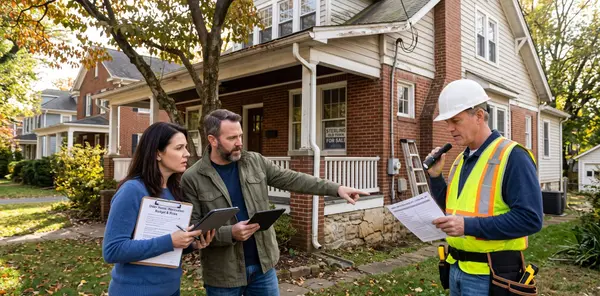
Professional home inspectors evaluate: structural elements (foundation, framing, roof structure), roofing (condition, remaining life, defects), electrical systems (panel, wiring, outlets, safety), plumbing (pipes, fixtures, water heater), HVAC systems (age, condition, functionality), exterior (siding, windows, doors, grading), interior (walls, ceilings, floors, stairs), and appliances (included items). Inspection report typically runs 30-50 pages with photos documenting findings.
Inspection Results
Inspection reports always find issues—no home is perfect. Findings range from: minor maintenance items (loose outlet, caulking needs, minor wear), moderate concerns (older systems approaching end of life, deferred maintenance), significant issues (safety hazards, major system failures, structural concerns), to major problems (foundation issues, extensive water damage, environmental hazards).
Buyers often receive reports identifying 20-50+ items; most are minor. The negotiation focuses on significant and major issues.
Inspection Negotiation
After inspection, buyers typically request: repairs before closing (you fix identified issues), credits at closing (buyer receives money to address issues themselves), or price reduction (permanent adjustment to contract price). You can: agree to requests, counter with partial agreement, or refuse requests (buyer may proceed anyway, re-negotiate, or withdraw).
Negotiation strategy: address legitimate safety and major system issues reasonably; push back on cosmetic items and minor maintenance that should have been visible before offer. Excessive buyer demands sometimes indicate buyer's remorse rather than legitimate concerns—experienced agents help distinguish reasonable requests from unreasonable ones.
Resolution Options
Common resolution paths: seller makes agreed repairs before closing (often simplest for specific fixes), seller provides closing credit (buyer takes responsibility for repairs, common for cash-intensive fixes), price reduction (affects loan amount, may complicate financing), or combination approach. Most inspection negotiations reach resolution; some deals fall apart over unresolvable differences.
Step 9: Appraisal and Financing
For financed purchases, appraisal and loan approval represent critical contingencies that must be satisfied before closing.
The Appraisal Process
Buyer's lender orders appraisal from licensed appraiser to verify property value supports loan amount. Appraiser visits property (allow 30-60 minutes for inspection), photographs interior and exterior, researches comparable sales, and prepares formal appraisal report. Process typically takes 7-14 days from order to completion.
Supporting the Appraisal
Help appraisal succeed by: ensuring home presents well (appraisers note condition), providing list of improvements and upgrades with costs if available, sharing recent comparable sales your agent identified, and being available for appraiser access. Your agent can provide comparable sales data to appraiser—sometimes appraisers miss relevant sales supporting value.
Low Appraisal Situations
If appraisal comes in below contract price, options include: buyer pays difference in cash (increases their down payment), seller reduces price to appraised value (you receive less), meet in the middle (negotiate compromise), dispute appraisal (request reconsideration with additional comparables—sometimes successful), or terminate contract (buyer exercises appraisal contingency). Low appraisals occur more frequently when prices are rising rapidly or when properties have unique features appraisers undervalue.
Buyer Financing Process
While you don't control buyer's financing, understanding the process helps anticipate timeline: loan application and documentation (completed before offer ideally), underwriting review (lender evaluates buyer qualification), conditions satisfaction (buyer provides requested documentation), and clear to close (final approval to proceed). Delays often occur when buyers struggle to provide documentation or when employment/credit situations change. Pre-approved buyers with organized documentation close smoothly; marginally-qualified buyers with disorganized finances create anxiety.
Step 10: Closing Day
Closing day transfers ownership and finalizes the transaction—careful preparation ensures smooth conclusion.
Pre-Closing Preparation
Week before closing: confirm closing date, time, and location with all parties, arrange utility transfers (final readings for closing date), complete any agreed-upon repairs, gather all keys, garage remotes, codes, and manuals, review closing disclosure (preliminary settlement statement), and prepare for final walkthrough.
Final Walkthrough
Buyer conducts final walkthrough (typically day before or morning of closing) to verify: property is in same condition as when contract was signed, agreed repairs have been completed, no new damage has occurred, all included items remain, and property is broom-clean and ready for possession. Fix any issues identified during walkthrough before closing if possible.
Closing Procedure
Closing typically occurs at title company office. You'll sign numerous documents including deed, bill of sale, settlement statement, and various affidavits. Review settlement statement carefully—verify all numbers match expectations (sale price, commissions, taxes, fees). Signing takes 30-60 minutes typically. Bring: government-issued photo ID (required), any keys, remotes, and manuals not already at property, and wire instructions for proceeds if receiving via wire.
Receiving Proceeds
After closing, your proceeds (sale price minus mortgage payoff minus all costs) are disbursed. Options: wire transfer to your bank account (same day, typical for larger amounts), or check from title company (must be deposited, potential hold period). Verify receipt method with title company beforehand. Proceeds typically available same day for wire, next business day for check deposit.
Post-Closing Items
After closing: forward mail to new address, provide forwarding information to important contacts, cancel or transfer home-related services (lawn care, alarm monitoring), keep copies of all closing documents (for tax purposes), and celebrate—you've successfully sold your Loudoun County home!
Understanding Selling Costs
Complete understanding of costs enables accurate net proceeds calculation and financial planning.
Total Cost Overview
Total Loudoun County selling costs typically range 8-10% of sale price. On $750,000 sale: real estate commissions 3.5-6% ($26,250-$45,000), Virginia transfer taxes 0.35% ($2,625), title insurance and settlement 0.5-1% ($3,750-$7,500), and potential concessions 0-3% ($0-$22,500). Additional possible costs: pre-sale improvements, prorated taxes, HOA fees, and miscellaneous expenses.
Commission Structure
Commissions represent largest controllable cost. Traditional structure: 2.5-3% listing commission plus 2.5-3% buyer agent commission. Competitive structure: 1.5-2% listing commission plus 2-2.5% buyer agent commission saves $7,500-$11,250 on typical sale. Commission is negotiable—experienced agents offering competitive rates with full service provide best value combination.
Fixed Costs
Certain costs are essentially fixed: Virginia grantor's tax ($2.50 per $1,000 or 0.25%), regional congestion relief fee ($1.00 per $1,000 or 0.10%), and basic title/settlement fees ($3,000-$5,000). These costs vary little regardless of agent or title company selection.
Calculating Net Proceeds
Net proceeds formula: Sale Price minus Mortgage Payoff minus Total Selling Costs equals Net Proceeds. Example: $750,000 sale minus $350,000 mortgage minus $60,000 costs equals $340,000 net proceeds. This is the money you actually receive—the number that matters for planning your next home purchase, debt payoff, or other financial goals.
| Cost Category | Typical Range | On $750K Sale |
|---|---|---|
| Listing Commission | 1.5-3% | $11,250-$22,500 |
| Buyer Agent Commission | 2-2.5% | $15,000-$18,750 |
| Transfer Taxes | 0.35% | $2,625 |
| Title/Settlement | 0.5-1% | $3,750-$7,500 |
| Buyer Concessions | 0-3% | $0-$22,500 |
| Total Costs | 6-11% | $45,000-$82,500 |
Frequently Asked Questions
How long does it take to sell a house in Loudoun County?
Total timeline from listing to closing typically runs 60-90 days for properly-priced Loudoun County homes in 2026's balanced market. Breakdown: active marketing period averages 25-40 days for well-prepared, accurately-priced properties (days on market before going under contract), plus 30-45 days under contract (inspection, appraisal, financing, closing preparation). Add 8-12 weeks of pre-listing preparation for complete timeline. Factors affecting timeline: pricing accuracy (overpriced homes take 2-3x longer), property condition (well-prepared homes sell 25-40% faster), seasonal timing (spring peak sells fastest, winter slowest), and market conditions (current balanced market favors strategic execution). Extended timelines typically indicate pricing problems—if your home sits 60+ days without offers, price adjustment is likely needed rather than continued waiting.
What is the best time of year to sell in Loudoun County?
Spring (March-May) represents peak selling season with 25-40% faster sales and 2-5% higher prices than winter. Optimal weeks: mid-April through mid-May when buyer activity maximizes. Fall (September-October) provides strong secondary peak with 15-25% faster sales than winter. Summer (June-August) offers moderate conditions—early summer strong, mid-summer slower due to vacations. Winter (December-February) is worst timing with extended timelines and 2-4% lower prices. However, personal circumstances often override seasonal optimization—job relocations, life changes, or financial needs may require selling outside peak windows. When forced to sell off-peak, compensate with aggressive pricing (5-10% below spring comparables), exceptional presentation, and comprehensive marketing. The "best" time to sell is ultimately when your circumstances require it, executed strategically for whatever season you're in.
How much does it cost to sell a house in Loudoun County?
Total selling costs typically range 8-10% of sale price, or $60,000-$75,000+ on Loudoun County's approximately $750,000 median home. Major cost categories: real estate commissions (3.5-6% total—listing agent plus buyer agent compensation, though listing commission is negotiable down to 1.5% with competitive agents), Virginia transfer taxes (0.35%—grantor's tax plus regional fee, non-negotiable), title insurance and settlement fees (0.5-1%), and potential buyer concessions (0-3% in current market). Additional costs may include pre-sale improvements ($3,000-$15,000 typical), prorated taxes/HOA, and moving expenses. The most controllable cost is listing commission—1.5% versus 3% saves $11,250 on $750,000 sale. Calculate your specific net proceeds using professional net sheet analysis that accounts for your mortgage balance and all applicable costs.
Should I make repairs before selling my house?
Strategic repairs typically prove worthwhile; extensive renovations often don't return costs. Essential repairs (address these): safety hazards, obviously broken items, systems at end of life (HVAC over 15 years, roof over 20 years), and visible maintenance issues signaling neglect. These items will surface during inspection anyway—addressing proactively typically costs less than buyer-demanded credits. High-ROI improvements (consider these): fresh neutral paint ($2,000-$4,000 returns 150-200%), deep cleaning ($300-$800), curb appeal enhancement ($500-$3,000), and minor cosmetic updates. These improvements help homes sell faster at better prices. Avoid over-improving: full kitchen or bathroom renovations ($40,000-$80,000+) rarely return full cost for pre-sale purposes—60-80% recovery typical. Focus on cosmetic freshening versus major renovation unless property is severely dated in premium location. Rule of thumb: spend 1-3% of anticipated sale price on strategic preparation ($7,500-$22,500 on $750,000 home) for optimal ROI.
How do I choose the right listing price?
Accurate pricing requires professional Comparative Market Analysis (CMA) examining recent sold comparables (similar properties sold within 90 days in your area), adjustments for differences (size, condition, features, lot), current competition (active listings affecting your positioning), and pending sales indicating market direction. Avoid: pricing based on Zillow/online estimates (6-10%+ error rates), what you "need" to get (market doesn't care), or what neighbor listed for (listing price ≠ sale price). Overpricing consequences: few showings (buyers filter by price online), extended market time (becomes "stale listing"), eventual price reductions (signal desperation), and often lower final price than accurate initial pricing would achieve. Better approach: price at or slightly below market value to generate immediate interest, potentially creating multiple offers that drive price up. Trust professional CMA over online estimates—the accuracy difference often exceeds $30,000-$50,000 on Loudoun County homes.
Do I need a real estate agent to sell my house?
Legally, no—you can sell FSBO (For Sale By Owner). Practically, experienced agent representation typically nets sellers more money even after commission. FSBO challenges: pricing accuracy (most FSBO sellers overprice, then under-negotiate), limited marketing reach (MLS syndication creates 90%+ of buyer exposure), negotiation complexity (inspection, appraisal, financing contingencies require experience), legal compliance (Virginia disclosure requirements, contract terms, fair housing), and time investment (20-40+ hours handling what agents do). Statistics show FSBO homes sell for 5-10% less than agent-represented homes on average—often negating "commission savings." Better approach: work with experienced agents offering competitive commission rates (1.5% listing fee available from quality agents) rather than eliminating expertise that typically increases net proceeds. The question isn't "agent or no agent" but "which agent provides best combination of competence and fair pricing."
What happens if my house doesn't appraise for the sale price?
When appraisal comes in below contract price, several options exist: (1) Buyer pays difference in cash—increases their down payment to cover gap (requires buyer having additional funds and willingness). (2) Seller reduces price to appraised value—you receive less than contracted amount. (3) Meet in the middle—negotiate compromise where both parties share difference. (4) Dispute appraisal—request reconsideration with additional comparable sales supporting higher value (sometimes successful with compelling data). (5) Terminate contract—buyer exercises appraisal contingency and walks away (deal falls through). Low appraisals occur more frequently when prices rise rapidly or when unique features aren't well-reflected in comparable sales. Prevention strategies: price realistically based on solid comparable sales, support appraisal with improvement documentation and comparable data, and be prepared to negotiate if appraisal issues arise. Experienced agents help navigate appraisal challenges through strategic response and alternative solutions.
What are common buyer requests after home inspection?
Buyers typically request repairs or credits for issues discovered during inspection. Common request categories: HVAC concerns (older systems, maintenance needs—$2,000-$10,000 depending on age/condition), roofing issues (age, damage, remaining life—$5,000-$20,000), plumbing problems (leaks, water heater, drainage—$500-$5,000), electrical concerns (outdated panels, safety issues—$500-$3,000), structural concerns (foundation, water intrusion—varies widely), and miscellaneous repairs (multiple minor items combined—$1,000-$5,000). Reasonable response: address legitimate safety and major system issues; push back on cosmetic items and minor maintenance visible before offer. Typical resolution: $5,000-$15,000 in credits or repairs for homes in average condition. Well-prepared homes with pre-listing inspections typically face smaller requests because issues were addressed proactively. Remember: extensive buyer demands sometimes indicate buyer's remorse rather than legitimate concerns—experienced agents help distinguish reasonable requests from negotiating tactics.
Can I sell my house if I still have a mortgage?
Yes—most home sales involve mortgage payoff at closing. Process: your existing mortgage is paid off from sale proceeds before you receive remaining funds. Your net proceeds equal sale price minus mortgage payoff minus selling costs. Example: $750,000 sale minus $350,000 mortgage minus $60,000 costs equals $340,000 net proceeds. Important considerations: request payoff statement from lender 2-3 weeks before expected closing (payoff differs slightly from balance due to accrued interest), verify no prepayment penalties apply (uncommon for most mortgages but check), and if you have HELOC or second mortgage, those must also be paid off. Potential issue: if your mortgage balance exceeds your home's market value (underwater or negative equity), you cannot sell conventionally without bringing cash to closing or negotiating short sale with lender approval. If you suspect underwater situation, get professional market analysis before making plans.
How do I prepare my house for showings?
Show-ready preparation involves ongoing maintenance during marketing period: daily tasks include making beds, clearing counters, maintaining clean bathrooms, and managing pet evidence. Before each showing: turn on all lights (including lamps), open window treatments for natural light, adjust temperature for comfort (not extreme to save money), put away valuables and personal items, and secure or remove pets. Exit strategy: have quick 15-minute preparation routine for showing requests with short notice; leave during showings (buyers feel uncomfortable with owners present). Bigger picture: declutter significantly before listing (remove 30-50% of belongings), maintain curb appeal (especially for weekend showings), and address odors (pet, cooking, smoke) that buyers notice immediately. The goal: buyers should envision themselves living there, not feel like they're intruding in your space. Inconvenient? Yes. Worth it? Absolutely—show-ready homes sell faster at better prices.
What documents do I need to sell my house?
Documents needed for Loudoun County home sale: property deed (title company obtains from records, but having copy is helpful), mortgage information (current statement, payoff contact), survey (if available—buyers sometimes request), property disclosures (Virginia Residential Property Disclosure form required), HOA documents (resale package including rules, financials, fees—contact HOA to obtain), home warranty information (if transferring existing warranty), appliance manuals and warranties, permit documentation for any improvements, lead paint disclosure (required for homes built before 1978), and tax records showing assessed value and payment history. Your agent guides specific requirements and timing. Organize documents early in process—scrambling for paperwork creates unnecessary closing delays. Keep copies of all closing documents after sale for tax purposes and future reference.
How do I choose the best real estate agent to sell my Loudoun County home?
Evaluate agents on multiple criteria, not just one factor. Key evaluation areas: (1) Local expertise—specific Loudoun County neighborhood knowledge, not just general Northern Virginia coverage. Ask about recent sales in your area. (2) Marketing capability—professional photography, comprehensive online exposure, and strategic marketing plan should be standard. Request examples. (3) Track record—list-to-sale price ratio (should be 97-100%+), average days on market (should meet or beat area averages), and recent sales volume. (4) Communication style—responsiveness and update frequency should match your preferences. (5) Pricing approach—honest market analysis versus telling you what you want to hear. (6) Commission structure—competitive rates exist without sacrificing quality. Jamil Brothers Realty Group offers 1.5% listing fees with full professional service, comprehensive marketing, and extensive Northern Virginia experience including throughout Loudoun County's Ashburn, Leesburg, South Riding, Brambleton, and surrounding communities—competitive pricing combined with proven expertise that maximizes your net proceeds. Interview 2-3 agents before deciding; check references from recent clients. Avoid agents promising unrealistically high prices (may be "buying the listing") or offering minimal marketing plans.
Home Selling Terms Glossary
Understanding terminology helps navigate the selling process with confidence.
Comparative Market Analysis (CMA): Detailed analysis of recent comparable sales used to determine accurate listing price—more reliable than online estimates for pricing decisions.
Days on Market (DOM): Number of days property is actively listed before going under contract—key metric indicating pricing accuracy and market positioning.
Earnest Money Deposit (EMD): Buyer's good-faith deposit (typically 1-3% of price) demonstrating serious intent—held in escrow and applied toward purchase at closing.
Contingency: Contract condition that must be satisfied for sale to proceed—common contingencies include inspection, financing, and appraisal.
Under Contract: Status after offer acceptance when buyer and seller have binding agreement—property typically removed from active marketing during this period.
Closing Disclosure: Document detailing all financial aspects of transaction—provided before closing for review of fees, credits, and final numbers.
Settlement/Closing: Final meeting where documents are signed, funds transferred, and ownership officially changes hands.
Net Proceeds: Amount seller receives after all costs—sale price minus mortgage payoff minus commissions, taxes, and fees.
Grantor's Tax: Virginia state transfer tax ($2.50 per $1,000 of sale price) paid by sellers on all residential property transfers.
Title Insurance: Insurance protecting buyer and lender from title defects discovered after closing—seller customarily pays owner's policy in Virginia.
Seller Concessions: Credits or contributions seller makes toward buyer's costs—may include closing cost assistance, repair credits, or rate buy-downs.
Final Walkthrough: Buyer's inspection shortly before closing verifying property condition matches contract expectations and agreed repairs completed.
Final Thoughts: Your Loudoun County Selling Success
Selling a home in Loudoun County requires strategic execution across multiple phases, but understanding the process transforms an overwhelming experience into a manageable journey toward successful results.
The fundamental principles for Loudoun County selling success:
- Start preparation early—8-12 weeks allows thorough readiness without rushed compromises
- Price accurately from start—overpricing costs more than it could ever gain through extended time and reduced final prices
- Present professionally—well-prepared homes sell 25-40% faster at 2-5% higher prices
- Choose experienced representation—skilled agents provide value through pricing accuracy, marketing reach, and negotiation expertise
- Maximize showing accessibility—more showings equal more offers and better outcomes
- Evaluate offers comprehensively—best offer considers terms and certainty, not just price
- Navigate contract period strategically—inspection and appraisal require informed responses
- Understand total costs—8-10% selling costs affect net proceeds planning
The 2026 Loudoun County market rewards strategic execution—balanced conditions mean neither extreme seller's market dynamics (where anything sells quickly) nor buyer's market pressures (where extensive concessions are required). Success comes from doing each phase well: proper preparation, accurate pricing, professional marketing, strategic negotiation, and smooth closing execution.
Most importantly, recognize that the goal isn't just selling your house—it's maximizing your net proceeds while minimizing stress and timeline. Every decision from agent selection through closing affects that outcome. Informed decisions at each step compound into significantly better results than haphazard approaches hoping for good luck.
With proper preparation, professional representation, and strategic execution, your Loudoun County home sale can achieve optimal results—maximum price, reasonable timeline, and smooth transaction from listing through closing day.
Ready to Sell Your Loudoun County Home?
Jamil Brothers Realty Group provides comprehensive selling services designed to maximize your results. Our approach combines: accurate market analysis ensuring optimal pricing, professional photography and comprehensive marketing, expert negotiation protecting your interests, and full transaction support through closing—all at competitive 1.5% listing fees saving $7,500-$11,250+ versus traditional rates.
With extensive experience across Northern Virginia including Loudoun County's Ashburn, Leesburg, South Riding, Brambleton, Stone Ridge, and surrounding communities, we understand the local market dynamics that affect your property's positioning and value.
Start with a free home valuation to understand your market position, or calculate your net proceeds to plan your next move.
This comprehensive guide to selling a home in Loudoun County provides educational information based on current market practices, legal requirements, and professional real estate experience. Actual selling timelines, costs, and outcomes vary based on specific property characteristics, market conditions, and individual circumstances. Information reflects general practices as of early 2026; specific procedures, fees, and requirements may change. This guide should not be considered legal, tax, or financial advice for specific situations. Consult licensed real estate professionals, attorneys, and tax advisors for guidance on your particular circumstances.
Categories
- All Blogs (1228)
- Ashburn (3)
- Buyer Guide (8)
- Buying a home (2)
- Buying Strategies (30)
- festivals (1)
- General Blog (67)
- Market Intelligence (29)
- Market Updates (8)
- Notable Properties For Sale (32)
- Real Estate Tips, News, and More (385)
- Seller Guide (2)
- Seller Guides (60)
- Selling Your Home (523)
- Sterling (6)
- Top Realtors in Northern Virginia (58)
Recent Posts


Let's Connect