
Selling a House With Unpermitted Work in Fairfax County
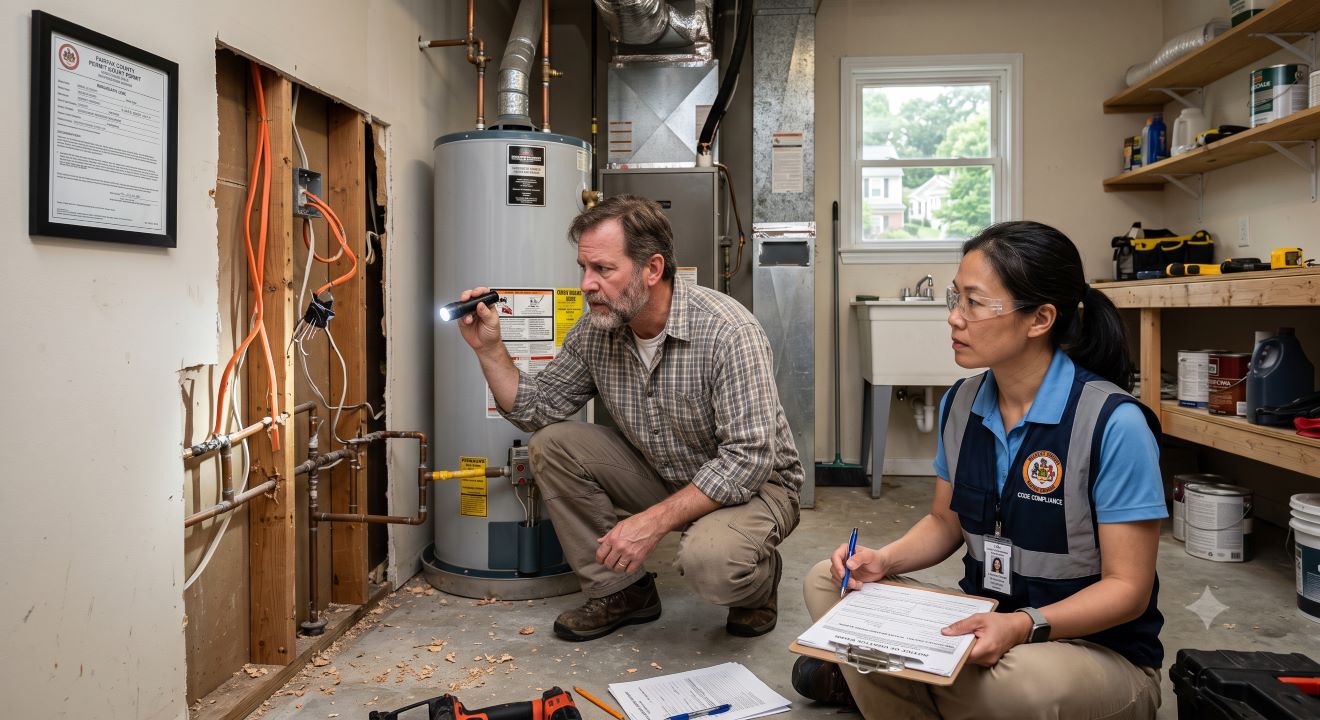
A finished basement no one pulled a permit for, a deck the previous owner built one summer, a wall that was moved to open up the kitchen. Unpermitted work is everywhere in Fairfax County's older housing stock, and for a seller it can turn into a stressful surprise the moment a buyer's inspector or appraiser starts asking questions. The work itself might be perfectly nice, but without the county's paper trail it becomes a risk that buyers, lenders, and insurers all care about. As Fairfax County real estate agents, we help sellers get ahead of exactly this issue before it costs them a deal.
The reassuring news is that unpermitted work rarely means you cannot sell; it means you have decisions to make. You can legalize the work with an after-the-fact permit, disclose it and sell as-is at the right price, or offer the buyer a credit, and the smart choice depends on the project, your timeline, and your market. This guide walks through how to find out what was permitted, why it matters to your sale, and the exact options you have, the same playbook we bring to sellers as a top real estate agency across the DMV.
Quick Answer: Unpermitted work is any construction, renovation, or addition done without the building permits and final inspections Fairfax County requires, such as a finished basement, deck, addition, or electrical and plumbing changes done off the books. You can still sell a home that has it, but it matters because buyers, appraisers, lenders, and insurers may all flag it: an appraiser may not count unpermitted square footage, financing or insurance can get complicated, and buyers often ask for a credit, a price cut, or that you legalize the work. Virginia is a "buyer beware" state, but you must disclose unpermitted work you know about, even if a prior owner did it, and you cannot conceal it. Your three main options are to obtain an after-the-fact permit (legalize it), disclose it and sell as-is at a price that reflects it, or offer a credit toward permitting or correction. The right move depends on the type of work, how much it affects value, and how competitive your local market is.
Key Takeaways
- Unpermitted work is construction done without Fairfax County's required permits and final inspections.
- Finished basements, decks, additions, and electrical or plumbing changes are the most common culprits.
- Appraisers may not count unpermitted square footage, which can hold down your appraised value.
- Financing and insurance can get complicated, since lenders and insurers care about permits and safety.
- You must disclose what you know: Virginia is "buyer beware," but concealing known unpermitted work is not allowed.
- Three options: legalize with an after-the-fact permit, disclose and sell as-is, or offer a credit.
- Decide before you list: handling it up front beats reacting to it during the inspection.
On This Page
- What counts as unpermitted work?
- Common unpermitted projects in Fairfax homes
- How to find out if your home has it
- Why unpermitted work matters when selling
- Unpermitted work and the appraisal
- Financing and insurance complications
- Do you have to disclose it in Virginia?
- Your options as a seller
- Getting an after-the-fact permit
- Legalize vs. sell as-is
- How it affects your price
- Selling with unpermitted work, step by step
- Common mistakes to avoid
- Frequently asked questions
- Glossary
What Counts as Unpermitted Work?
Unpermitted work is any construction, alteration, or addition that legally required a building permit and inspection from Fairfax County but never got one, or that got a permit but was never finalized with a passing inspection. The result is a home improvement that exists physically but not in the county's official records, which is exactly the gap that causes trouble at sale time.
Fairfax County requires permits for a wide range of residential work, including finishing a basement, building a deck or addition, structural changes, and many electrical, plumbing, and mechanical alterations. Cosmetic updates like paint, flooring, or swapping a faucet generally do not need a permit, but anything that changes the structure, systems, or livable space usually does.
Good to know: a permit that was pulled but never received its final inspection can be just as much of a problem as no permit at all. An "open" or unfinaled permit shows up in county records and buyers' agents know to look for it.
Common Unpermitted Projects in Fairfax Homes
Certain projects show up again and again when sellers discover unpermitted work, usually because they are the improvements homeowners most want and most often do without pulling a permit. Recognizing them helps you check your own home honestly.
- Finished basements: the single most common one, and it specifically requires a Fairfax County building permit.
- Decks and porches: frequently built without permits, and structural and safety-sensitive.
- Additions and bump-outs: extra rooms or expanded footprints that add square footage off the books.
- Garage or attic conversions: turning non-living space into living space without approval.
- Electrical and plumbing changes: new circuits, moved fixtures, or added bathrooms done without permits or inspections.
- Wall removals and layout changes: opening up floor plans, which can involve structural elements.
Not every one of these is a crisis, but each is the kind of work an inspector or appraiser is trained to notice. The finished basement is worth special attention, since it is both the most common and the one most likely to add the square footage a buyer is paying for.
How to Find Out if Your Home Has It
Before you can decide what to do, you need to know what the county has on record for your property. The good news is that permit history is public, and a little research tells you where you stand well before a buyer's inspector does.
Pull your property's permit history
Fairfax County's permitting records are searchable online through the county's land-use and permitting system, where you can see what permits were issued and finalized for your address.
Compare records to what exists
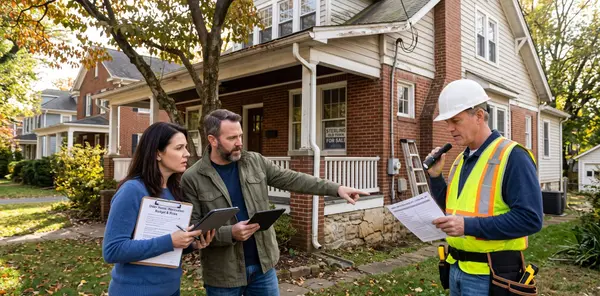
Walk the home and match the finished basement, deck, or addition against the permits on file. A room that exists with no matching permit is a red flag.
Look for open or unfinaled permits
Check for permits that were pulled but never passed a final inspection, since an open permit is its own problem to resolve.
Ask prior owners or contractors
If you did not do the work yourself, previous owners or the original contractor may know whether it was permitted, and the contractor can sometimes help resolve it.
Confirm with a professional
Your agent, a contractor, or the county can help you interpret the records and understand what a given project would need to be brought into compliance.
If you are not sure how to read county records, our step-by-step guide to looking up any Fairfax County property's records walks through the free tools for checking permit and property history. Doing this early gives you time to choose a strategy instead of scrambling mid-sale.
Why Unpermitted Work Matters When Selling
It is fair to ask why a nicely finished basement should be a problem just because of paperwork. The answer is that a permit is the county's record that the work was done to code and inspected for safety, and without it, everyone in the transaction has to treat the work as an unknown.
That uncertainty ripples outward. A buyer worries the work may be unsafe or noncompliant and that they will inherit the liability. An appraiser may decline to give value to space that is not verified as permitted living area. A lender may hesitate to finance against work that is not on record, and an insurer may balk at covering it. None of these parties is trying to be difficult; each is simply managing the risk that undocumented work represents.
The practical result is that unpermitted work almost always becomes a negotiation point once it surfaces, usually at the inspection. That is why getting ahead of it, knowing what you have and how you will handle it, puts you in a far stronger position than being caught off guard.
Unpermitted Work and the Appraisal
One of the biggest financial consequences of unpermitted work shows up at the appraisal. When an appraiser cannot confirm that finished space, say a basement or an addition, was permitted as legal living area, they may exclude that square footage from the home's gross living area, which can lower the appraised value.
That matters because the lender bases the mortgage on the appraised value, not the contract price. If unpermitted square footage is discounted, the appraisal can come in below your sale price, creating a shortfall the buyer has to cover or renegotiate. In other words, unpermitted work can trigger the same appraisal-gap problem as an overheated bid, which we cover in depth in our guide to the appraisal gap and how Fairfax buyers and sellers handle low appraisals.
The takeaway is that unpermitted finished space is a double-edged sword: it may make the home feel bigger and more appealing, but it may not appraise for what you are asking if the appraiser will not count it. Understanding this in advance shapes how you price and how you handle the work.
Financing and Insurance Complications
Beyond the appraisal, unpermitted work can complicate the two things a buyer needs to close: a loan and an insurance policy. Lenders want to know that the collateral, your home, is legal and sound, and significant unpermitted work can make a lender cautious or add conditions before they will fund the loan.
Insurance is the quieter hurdle. An insurer may be reluctant to cover unpermitted, uninspected work, or may exclude it from coverage, on the theory that work not verified to code carries extra risk. Since a buyer typically needs bound insurance to close, a coverage problem can slow or shake a deal just as the appraisal or financing can.
Heads up: the more the unpermitted work touches safety systems, electrical, plumbing, or structure, the more seriously lenders and insurers tend to treat it. Cosmetic work rarely raises these flags; systems and structural work can.
Do You Have to Disclose It in Virginia?
Virginia is generally a "buyer beware" (caveat emptor) state, and under the Virginia Residential Property Disclosure Act, sellers typically provide a disclosure statement that puts much of the duty to investigate on the buyer. But that does not give a seller license to hide known problems, and unpermitted work is a known problem you should treat carefully.
If you are aware of unpermitted work, you generally must disclose it, even if a previous owner did the work, and you cannot actively conceal it or misrepresent the home's condition. Hiding it can expose you to serious liability after closing if the buyer discovers it and argues it was covered up. Disclosure, by contrast, protects you, and it is closely related to avoiding the kind of concealment that lands sellers in trouble, one of the pitfalls in our roundup of the top mistakes Fairfax home sellers make.
Because disclosure obligations carry real legal weight and the details can be nuanced, this is a place to lean on your agent and, where appropriate, a real estate attorney rather than guessing. The safe principle is simple: what you know, you disclose. A documented, disclosed issue is far less dangerous to your sale, and to you, than a hidden one.
Your Options as a Seller
When your home has unpermitted work, you essentially have three paths, and none is automatically right; the best one depends on the type of work, its effect on value, your timeline, and your market. Here is how they compare.
| Option | What it means | Best when | Trade-off |
|---|---|---|---|
| Legalize it | Obtain an after-the-fact permit and pass inspection | The work is sound and you have time before listing | Time, fees, and possible corrective work |
| Disclose & sell as-is | Price the home to reflect the work and disclose it | Budget or timeline is tight, or legalizing is impractical | Smaller buyer pool and more price sensitivity |
| Offer a credit | List with disclosure and credit the buyer toward permitting | You would rather not manage the permit process yourself | Buyers may negotiate the credit upward |
Whichever path you choose, presentation and preparation still matter, and handling unpermitted work is part of the same broad readiness that makes a home sell well, which we lay out in our guide to preparing a Fairfax home for sale. The key is deciding your approach before you list, not in the middle of negotiations.
Getting an After-the-Fact Permit
Legalizing unpermitted work means applying for an after-the-fact permit, sometimes called a retroactive permit, and having the county inspect the work to confirm it meets code. It is often more straightforward than sellers fear, especially when the work was done well, but the timeline and effort vary a lot by project.
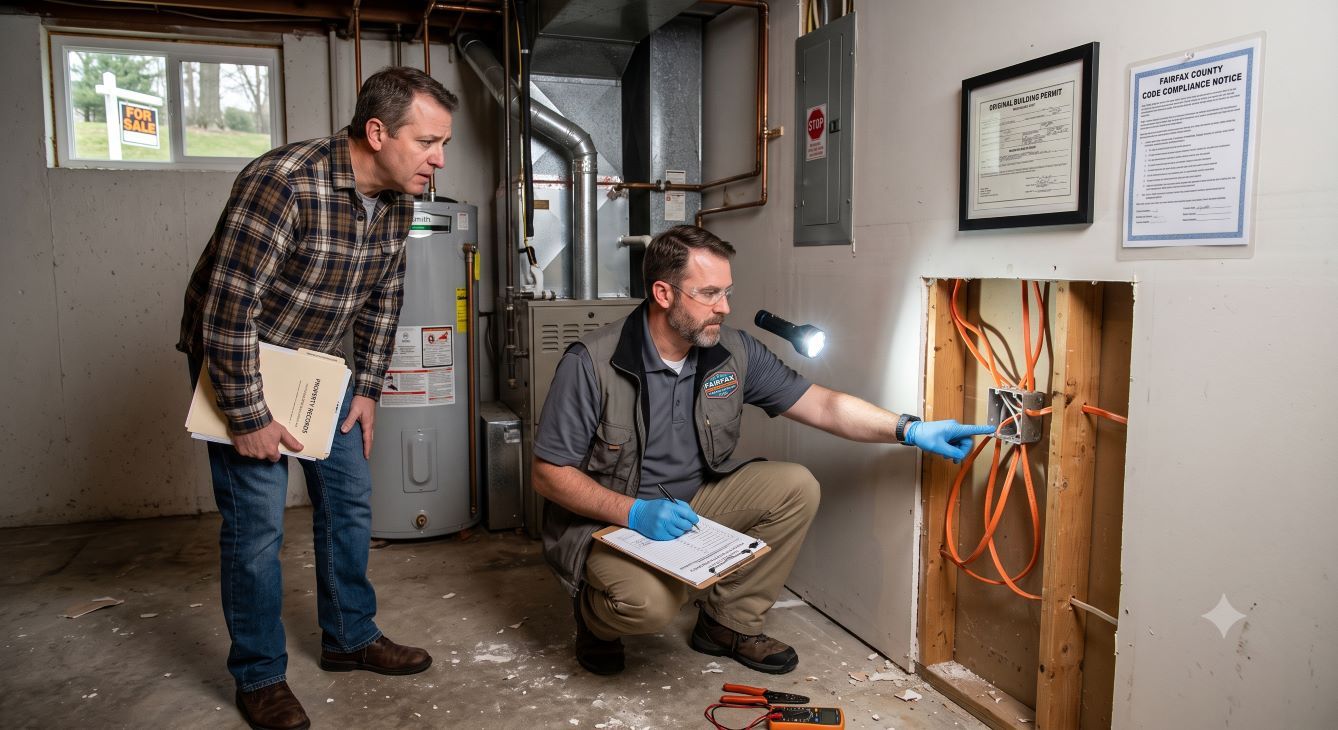
The general process is to apply for the permit, then allow the county to inspect the work. Because finished walls and ceilings can hide the framing, wiring, and plumbing an inspector needs to see, you may have to open up portions of the work so it can be verified, then repair them afterward. Simple projects can move quickly, while a full basement finish with electrical and plumbing can take several weeks to a few months to fully resolve, and there are permit fees involved.
Plan the timeline: if you intend to legalize a big project like a basement finish before listing, start early. Retroactive inspections, any corrective work, and re-inspections take time you do not want to be racing against a listing date.
If the work turns out not to meet current code, you may need to correct it before it can be approved. That possibility is exactly why assessing the work honestly up front, ideally with a contractor's input, matters before you commit to the legalizing path.
Legalize vs. Sell As-Is
If your main decision is between legalizing the work and selling as-is with disclosure, it helps to weigh them side by side. Both are legitimate; the right answer depends on the project, your time, and your buyer pool.
| Consideration | Legalize First | Sell As-Is (Disclosed) |
|---|---|---|
| Buyer pool | Widest; removes the objection | Narrower; some buyers pass or discount |
| Appraisal | Permitted space can be counted | Unpermitted space may not count |
| Your effort | You manage permits and inspections | Buyer takes it on after closing |
| Time to list | Longer; permitting takes time | Faster; list sooner |
| Price impact | Supports full value | Typically priced at a discount |
Selling as-is is faster and avoids the permit process, but it usually means a smaller buyer pool and a price that reflects the uncertainty. Legalizing costs time and money up front but supports full value and a cleaner sale. Weigh the concession or discount against your overall net, which is easier to see once you understand every other cost of selling, laid out in our breakdown of Fairfax home sale fees and commissions.
Interactive · Commission Savings
Selling in Fairfax? Keep More of Your Equity With a 1.5% Listing Fee
Pick your Fairfax home value:
Typical 3% Listing Fee
Your Estimated Savings
$6,000
Kept in your pocket versus a traditional 3% listing fee.
Typical 3% Listing Fee
Your Estimated Savings
$7,500
Kept in your pocket versus a traditional 3% listing fee.
Typical 3% Listing Fee
Your Estimated Savings
$9,000
Kept in your pocket versus a traditional 3% listing fee.
Typical 3% Listing Fee
Your Estimated Savings
$11,250
Kept in your pocket versus a traditional 3% listing fee.
Typical 3% Listing Fee
Your Estimated Savings
$15,000
Kept in your pocket versus a traditional 3% listing fee.
Estimates compare a 3% listing-side fee to our 1.5% listing fee. Full-service representation either way. Buyer's-agent compensation is separate and negotiable.
How It Affects Your Price
Unpermitted work influences price in two connected ways: what the market will pay and what the appraisal will support. Buyers tend to discount a home with known unpermitted work to account for the cost, time, and risk of resolving it, and that discount can be larger than the actual cost to permit, because buyers price in uncertainty as well.
The appraisal sets a second boundary. If an appraiser will not count unpermitted finished space as living area, the home may simply not appraise for a price that assumes that space fully counts, capping how high you can realistically sell for with a financed buyer. Pricing has to respect both the buyer's discount and the appraiser's view.
This is where accurate, local pricing earns its keep. Setting the number with clear eyes, factoring in the specific work, the likely appraisal treatment, and current demand, is what keeps a home with unpermitted work from either sitting unsold or leaving money on the table. A knowledgeable agent models these scenarios before you list.
Selling With Unpermitted Work, Step by Step
A clear sequence keeps you in control and out of a mid-deal scramble. Here is the path we walk our sellers through when unpermitted work is in the picture.
Confirm the permit history
Pull the county's records for your address and compare them to what physically exists, so you know exactly what is unpermitted.
Assess the work
Get a contractor's read on whether the work meets code and what legalizing it would realistically take in time and money.
Weigh the appraisal impact
Consider whether an appraiser is likely to count the space, since that shapes both your strategy and your price.
Choose your path
Decide with your agent whether to legalize, disclose and sell as-is, or offer a credit, based on the project and market.
Disclose and market honestly
Be transparent about what you know, and if you legalized the work, present the finalized permit as a selling point.
The person who ties this together is your listing agent, who reads the records, models the pricing, and negotiates the inspection. Choosing the right one matters a great deal here, which is why we wrote a full guide on how to choose a Fairfax listing agent who can turn a complication like unpermitted work into a manageable, disclosed detail.
Common Mistakes to Avoid
Sales involving unpermitted work go wrong less because of the work itself and more because of avoidable seller missteps. Steer clear of these.
- Hiding it and hoping: concealing known unpermitted work invites a failed inspection, lost trust, and potential liability after closing.
- Not checking the records: assuming everything was permitted without verifying, then being blindsided at the inspection.
- Overpricing as if it counts: pricing unpermitted finished space as fully permitted living area that the appraisal may not support.
- Rushing a big legalization: starting a basement's retroactive permitting too late and colliding with your listing timeline.
- Guessing at cost: setting a credit without a contractor's estimate of what permitting or correction really takes.
The common thread is preparation. Verify the records, assess the work, choose your path deliberately, and disclose honestly, and unpermitted work becomes a known detail you have already handled rather than a deal-threatening surprise.
Explore Fairfax County Communities
Selling a Renovated Home in a Fairfax County Community?
Frequently Asked Questions
What is unpermitted work?
Unpermitted work is any construction, renovation, or addition that legally required a Fairfax County building permit and inspection but never got one, or that was permitted but never passed its final inspection. The work exists physically but not in the county's official records. Common examples include finished basements, decks, additions, and electrical or plumbing changes done off the books.
What work requires a permit in Fairfax County?
Fairfax County requires permits for a wide range of residential work, including finishing a basement, building a deck or addition, structural changes, and many electrical, plumbing, and mechanical alterations. Purely cosmetic updates like paint, flooring, or replacing a faucet generally do not. When in doubt, check with the county or your agent, since anything affecting structure, systems, or livable space usually needs a permit.
How do I find out if work on my house was permitted?
Fairfax County permit records are public and searchable through the county's land-use and permitting system, where you can see what was issued and finalized for your address. Compare those records to what physically exists in the home, and watch for open or unfinaled permits. Previous owners or the original contractor may also know, and your agent can help you interpret the records.
Can I sell a house with unpermitted work in Fairfax County?
Yes. Homes with unpermitted work are sold regularly. It is a known, manageable issue, not an automatic dealbreaker. Your main choices are to legalize the work with an after-the-fact permit, disclose it and sell as-is at a price that reflects it, or offer the buyer a credit toward permitting. The right approach depends on the type of work, its effect on value, and your market.
Do I have to disclose unpermitted work in Virginia?
Virginia is largely a "buyer beware" state under the Residential Property Disclosure Act, but you generally must disclose unpermitted work you know about, even if a prior owner did it, and you cannot conceal it or misrepresent the home's condition. Hiding it can create serious liability after closing. Because the rules carry legal weight, confirm your specific obligations with your agent and, if needed, a real estate attorney.
Does unpermitted work affect the appraisal?
It can. If an appraiser cannot confirm that finished space was permitted as legal living area, they may exclude that square footage from the home's gross living area, which can lower the appraised value. Since the lender bases the mortgage on the appraised value, discounted unpermitted space can produce an appraisal gap the buyer must cover or renegotiate.
Can unpermitted work affect the buyer's financing?
Yes. Lenders want the home securing the loan to be legal and sound, so significant unpermitted work can make a lender cautious or add conditions before funding. Insurance can be an issue too, since an insurer may hesitate to cover uninspected work. Because buyers usually need both a loan and bound insurance to close, these complications can slow or shake a deal.
Should I get a permit before selling or sell as-is?
Both work, for different situations. Legalizing before listing widens your buyer pool, supports the appraisal, and creates a cleaner sale, at the cost of time, fees, and possible corrective work. Selling as-is with disclosure is faster and avoids the permit process but usually means a smaller buyer pool and a discounted price. The best choice depends on the project, your timeline, and your market.
What is an after-the-fact permit?
An after-the-fact permit, also called a retroactive permit, is a permit obtained for work that was already completed without one. You apply, and the county inspects the work to confirm it meets code, which may require opening finished areas so the framing, wiring, or plumbing can be seen. If the work meets code, it is approved and finalized; if not, you may need to correct it first.
How long does it take to permit work after the fact?
It depends on the project. Simple work can move quickly, while a full basement finish with electrical and plumbing can take several weeks to a few months once you account for retroactive inspections, any corrective work, and re-inspections. There are also permit fees involved. If you plan to legalize a big project before listing, start early so it does not collide with your timeline.
Will unpermitted work lower my home's value?
Often, yes, at least relative to the same work fully permitted. Buyers tend to discount a home with known unpermitted work to account for the cost, time, and risk of resolving it, and the appraisal may not credit unpermitted finished space. The size of the impact depends on the type of work and the market, which is why accurate local pricing matters so much.
Can the county make me remove or fix unpermitted work?
In some cases the county can require unpermitted work to be permitted, corrected to meet code, or in serious situations removed, and unresolved issues can carry enforcement consequences. The practical path is usually to legalize sound work through an after-the-fact permit. Because outcomes vary by situation, check with the county and consider professional guidance on what your specific work requires.
Does unpermitted square footage count in the sale?
It depends on the appraisal and how the space is marketed. An appraiser may decline to count unpermitted finished space as gross living area, which means a financed buyer's value may not reflect it fully. It can still add appeal, but it should be represented honestly, and priced with the understanding that it may not carry the same weight as permitted living area.
Glossary
Unpermitted Work: Construction or alteration that required a permit and inspection but never got one, or was never finalized.
Building Permit: Official county authorization to perform construction, tied to inspections that confirm code compliance.
After-the-Fact Permit: A retroactive permit obtained for work already completed, followed by inspection to verify it meets code.
Open (Unfinaled) Permit: A permit that was pulled but never passed its final inspection, leaving the work incomplete on record.
Final Inspection: The county's sign-off confirming permitted work was completed to code.
Gross Living Area (GLA): The finished, permitted living space an appraiser counts toward a home's value.
Appraisal Gap: The shortfall when the appraised value comes in below the sale price, which unpermitted space can cause.
Residential Property Disclosure Act: Virginia's "buyer beware" framework governing what sellers disclose about a home.
Code Compliance: Meeting the county's building and safety codes; the standard after-the-fact permitting confirms.
Seller Credit: A closing concession where the seller contributes toward a buyer cost, such as permitting or correction.
The Bottom Line on Unpermitted Work in Fairfax
Unpermitted work sounds alarming, and left unmanaged it can complicate a sale, cost you at the appraisal, and expose you to liability. But it is a known, solvable issue, not a dead end. The winning approach is to verify your permit history, assess the work honestly, and choose your path, legalize, disclose and sell as-is, or offer a credit, before you ever list, so a complication becomes a detail you have already handled.
Whether the smartest move is an after-the-fact permit to support full value or a well-priced, well-disclosed as-is sale, we will help you read the records, model the pricing, and negotiate the inspection with confidence, and if you sell with us, keep more of your equity through a 1.5% full-service listing. Start with a free consult and a valuation built around your home's specifics.
Whether you want to legalize the work, offer a credit, or sell as-is, we'll help you check the records, price it right, and protect your position. Start with a free consult, and a valuation that reflects your home's real standing in the market.
Disclaimer: This article is an independent educational guide for informational purposes only and is not legal, financial, or construction advice. Permitting rules, disclosure obligations, appraisal practices, costs, and market conditions vary and change; details are general and illustrative. Always confirm your home's specific situation and permit requirements with Fairfax County, a licensed contractor, your agent, and, where appropriate, a qualified attorney. The Jamil Brothers Realty Group is a licensed real estate team with Samson Properties serving Fairfax County and the greater DMV. Equal Housing Opportunity.
Explore More
Browse Every Corner of the DMV Market
Whether you're searching by budget, neighborhood, or buying situation — find exactly what you need below.
Virginia Homes by Budget
Washington DC Homes by Budget
Maryland Homes
Explore Fairfax County & Surrounding Northern Virginia
Ready to Make a Move?
Full-Service · No Tradeoffs
List for 1.5% & Keep More Equity
Professional photography, drone video, 3D tours, and expert negotiation — all included. On an $800K home, that's $12,000 more in your pocket vs. a 3% agent.
See the 1.5% Program →Need Speed or Certainty?
Get a No-Obligation Cash Offer
Skip the showings, skip the contingencies. If timing or condition matters more than top dollar, a cash offer may be the right fit. We'll walk you through every option.
Explore Cash Offers →Categories
- All Blogs (1217)
- Aldie (3)
- Ashburn (6)
- Buyer Guide (8)
- Buying a home (2)
- Buying Strategies (30)
- festivals (1)
- General Blog (67)
- Leesburg (5)
- Market Intelligence (29)
- Market Updates (8)
- Notable Properties For Sale (32)
- Real Estate Tips, News, and More (381)
- Seller Guide (2)
- Seller Guides (60)
- Selling Your Home (516)
- Sterling (6)
- Top Realtors in Northern Virginia (58)
Recent Posts


Message Sent!
Thank you for reaching out. Arslan & Saad have received your details and will be in touch shortly.
Need immediate assistance? Call or text 703-782-4830.