
What Is an Appraisal Gap? How Fairfax Buyers and Sellers Handle Low Appraisals
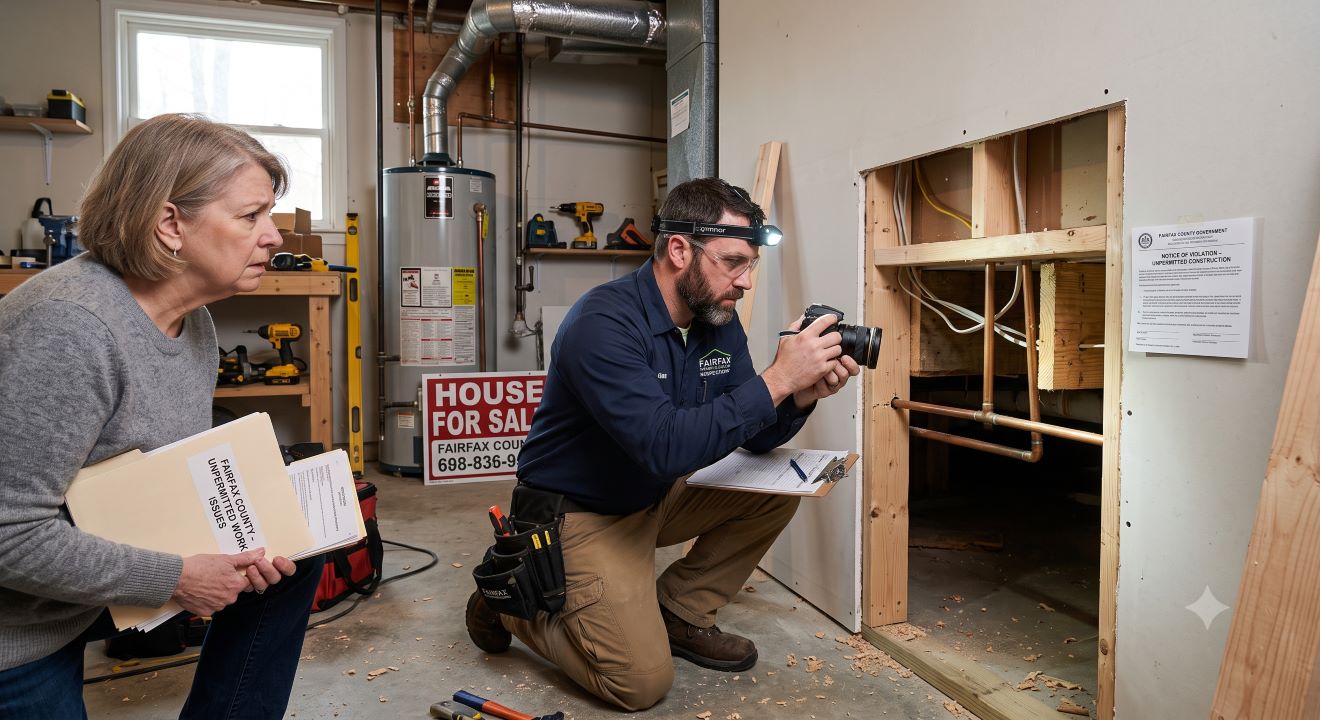
You have agreed on a price, signed the contract, and everything is moving smoothly, until the appraisal comes back lower than what you agreed to pay. Suddenly there is a gap between the price and the appraised value, and the whole deal is at risk. It is one of the most stressful moments in a transaction, and in a competitive, high-value market it happens more than most people expect. As Fairfax County real estate agents, we guide buyers and sellers through this exact situation regularly.
The good news is that a low appraisal is rarely the end of the road. Buyers and sellers have several ways to bridge, negotiate around, or challenge an appraisal gap, and knowing your options ahead of time is what keeps a strong deal from falling apart. This guide explains exactly what an appraisal gap is, why it happens, and the specific plays each side can run, drawn from how we handle low appraisals as a top real estate team across the DMV.
Quick Answer: An appraisal gap is the difference between the price a buyer agreed to pay and the lower value the lender's appraiser assigns to the home. It matters because a mortgage lender will only lend based on the appraised value, not the contract price, so if a home appraises below the offer, the buyer must cover the gap in cash, renegotiate the price, or walk away. Buyers protect themselves with an appraisal contingency (the right to renegotiate or exit if the appraisal is low) and strengthen competitive offers with appraisal gap coverage (a promise to pay some or all of a gap in cash). When a Fairfax home appraises lower than the offer, the common outcomes are the buyer paying the difference, the seller lowering the price, both meeting in the middle, or the parties requesting a reconsideration of the appraisal. The right move depends on the contract, the market, and how badly each side wants the deal.
Key Takeaways
- An appraisal gap is the shortfall between the agreed price and a lower appraised value.
- Lenders lend on the appraisal, not the price: a low appraisal creates a cash shortfall the buyer must solve.
- An appraisal contingency protects the buyer: it allows renegotiation or a walk-away with earnest money back.
- Appraisal gap coverage protects the seller: the buyer commits to cover a gap in cash, strengthening the offer.
- Four common outcomes: the buyer pays the gap, the seller lowers the price, they split it, or they dispute the appraisal.
- You can challenge a low appraisal with a reconsideration of value backed by better comparable sales.
- Fairfax's competitive market makes gaps more likely, so both sides should plan for the possibility before it happens.
On This Page
- What is an appraisal gap?
- Why appraisal gaps happen
- An appraisal gap example
- Why it matters: the financing problem
- The appraisal contingency
- Appraisal gap coverage
- Contingency vs. coverage
- How Fairfax buyers handle a low appraisal
- How Fairfax sellers handle a low appraisal
- Can you dispute a low appraisal?
- How to reduce appraisal-gap risk
- Common mistakes to avoid
- The appraisal process, step by step
- Who orders & pays for the appraisal?
- Appraisal vs. inspection
- Cash vs. financed offers & the appraisal
- Appraisal gaps in a rising vs. cooling market
- Frequently asked questions
- Glossary
What Is an Appraisal Gap?
An appraisal gap is the difference between the purchase price a buyer has agreed to pay and the lower value a licensed appraiser assigns to the home. When a lender finances a purchase, it orders an appraisal to confirm the home is worth what the buyer is borrowing against. If the appraiser's value comes in below the contract price, that shortfall is the appraisal gap.
For example, if you agree to buy a home for $700,000 but it appraises at $680,000, you have a $20,000 appraisal gap. The home is under contract at $700,000, but the lender's opinion of value, and therefore the basis for the loan, is $680,000. That $20,000 difference has to be resolved before the sale can close.
Key distinction: an appraisal gap only refers to an appraisal that comes in below the agreed price. If a home appraises at or above the contract price, there is no gap and the financing proceeds normally.
Why Appraisal Gaps Happen
Appraisal gaps are most common in fast-moving, competitive markets, which is exactly what much of Fairfax County has seen. When demand outpaces supply, buyers compete by offering above the asking price, sometimes well above, and prices climb faster than recent sales data can keep up with.
The catch is that an appraiser values a home largely on recent comparable sales, or comps. In a rising or bidding-war market, the price a buyer is willing to pay today can outrun what similar homes actually closed for in the past few months. The appraiser is looking backward at closed sales while buyers are competing forward, and that mismatch is what produces a gap. Overpricing by a seller can cause the same result, a dynamic we explore in our guide to why a Fairfax home isn't selling.
Low appraisals can also stem from a thin pool of comparable sales, a unique or heavily upgraded property that is hard to compare, or simply an appraiser being conservative. Whatever the cause, the effect on the deal is the same, and both sides need a plan.
An Appraisal Gap Example
Numbers make this concrete. Here is a straightforward Fairfax scenario showing how a gap appears and what it means for the buyer's cash to close.
| Detail | Amount |
|---|---|
| Agreed purchase price | $700,000 |
| Appraised value | $680,000 |
| Appraisal gap | $20,000 |
| What the lender uses | The $680,000 appraised value, not the $700,000 price |
| Buyer's options | Cover the $20,000 in cash, renegotiate, split it, dispute, or walk (if a contingency applies) |
Because the lender bases the mortgage on the $680,000 appraisal, the buyer who still wants to pay $700,000 must bring an extra $20,000 to closing, on top of the planned down payment, since the loan will not cover the portion of the price above the appraised value. That is the appraisal gap in action. Your exact figures depend on your loan and down payment, so confirm them with your lender.
Why It Matters: The Financing Problem
The heart of the issue is how mortgages work. A lender will not lend more than a set percentage of the home's value, and that value is the appraised amount, not whatever a buyer agreed to pay. So when the appraisal comes in low, the loan the buyer was counting on effectively shrinks relative to the price.
This leaves the buyer with a shortfall that must be filled with cash, or the price must come down, or the deal has to change in some other way. It is not about whether the buyer qualifies for the loan; it is that the lender will not finance a purchase above the appraised value. Understanding this is what turns a scary surprise into a solvable negotiation, because both sides now know exactly what problem they are solving.
The Appraisal Contingency
An appraisal contingency is a clause in the purchase contract that protects the buyer if the home appraises below the agreed price. It gives the buyer the right to renegotiate the price, ask the seller to make up the difference, or cancel the contract and get their earnest money back if the parties cannot agree.
In a normal market, most financed offers include an appraisal contingency, and it is an important safety net. The tradeoff is that in a competitive, multiple-offer situation, a seller may favor an offer that waives the appraisal contingency, because it removes a way for the deal to fall apart. Waiving it can help a buyer win, but it also means the buyer is on the hook to cover any gap in cash, so it should never be done without a clear plan and the funds to back it up. The appraisal contingency is one of several conditions that shape a home's listing status, which we break down in our guide to contingent vs. pending home statuses.
Appraisal Gap Coverage
Appraisal gap coverage, sometimes called an appraisal gap guarantee, is the buyer's commitment, written into the offer, to pay some or all of an appraisal gap in cash if the home appraises low. Rather than waiving the appraisal protection entirely, the buyer specifies a dollar amount they will cover, for example, "the buyer will pay up to $20,000 above the appraised value."
For sellers, this is powerful reassurance in a bidding war: it signals a serious, well-funded buyer whose deal is unlikely to collapse over the appraisal. For buyers, it is a way to make a competitive offer stronger than a plain contingency-waived bid while still capping their exposure. The key requirement is real cash, gap coverage is only as good as the buyer's ability to actually pay it, so it should match your available funds.
Coverage is a cap, not a blank check: smart gap coverage names a specific amount you can genuinely afford. It strengthens your offer without exposing you to an unlimited shortfall if the appraisal comes in far below the price.
Contingency vs. Coverage
These two tools are easy to confuse because both involve the appraisal, but they work in opposite directions, one protects the buyer, the other reassures the seller. Here is how they compare.
| Feature | Appraisal Contingency | Appraisal Gap Coverage |
|---|---|---|
| What it is | A clause letting the buyer renegotiate or exit if the appraisal is low | A promise by the buyer to pay a low-appraisal gap in cash, up to a set amount |
| Who it protects | The buyer | The seller (and strengthens the offer) |
| Effect on a competitive offer | Standard protection, but can weaken the bid | Strengthens the bid in multiple-offer situations |
| Main risk | Little to the buyer | Buyer must have the cash if the appraisal is low |
| Best when | Most standard financed purchases | Competitive bidding wars where you must stand out |
Many strong offers use them together in a nuanced way: keeping a limited appraisal contingency while adding gap coverage up to a defined amount. The right structure depends on how competitive the situation is and how much cash you can commit, which is exactly the kind of strategy a good agent helps you calibrate.
How Fairfax Buyers Handle a Low Appraisal
If you are the buyer and the appraisal comes in below your price, do not panic, you have several moves. The best one depends on your contract, your cash, and how much you want the home.
- Pay the gap in cash: if you have the funds and love the home, cover the difference and proceed at the agreed price.
- Renegotiate the price: ask the seller to lower the price to the appraised value, or somewhere closer to it.
- Meet in the middle: propose splitting the gap, you cover part in cash, the seller reduces the price by the rest.
- Dispute the appraisal: request a reconsideration of value with stronger comparable sales or corrected errors.
- Use your appraisal contingency: if you cannot agree, exit the contract and recover your earnest money.
- Adjust the financing: talk to your lender about down payment or loan options that change the math.
The right play is rarely obvious in the moment, which is where representation earns its keep. A sharp buyer's agent knows which sellers will move, how to build a credible dispute, and how to structure the counter so you keep the home without overpaying. A quick buyer strategy session before you are under contract sets you up to handle this calmly if it happens.
How Fairfax Sellers Handle a Low Appraisal
If you are the seller and your buyer's appraisal comes in low, your options depend on your contract, your buyer, and the strength of the market. The goal is to save the deal without giving away more than you need to, which is where a sharp listing agent earns their keep; our guide on how to choose a Fairfax listing agent covers finding one who negotiates these situations well.
- Hold firm: if the buyer waived the appraisal contingency or offered gap coverage, they may be obligated, or willing, to cover the difference.
- Lower the price: reduce to the appraised value to keep the deal alive, especially if comps genuinely support the lower number.
- Meet in the middle: split the gap so both sides give a little and the sale closes.
- Request a reconsideration: provide the appraiser, through the lender, with strong comparable sales that support your price.
- Move to a backup or cash offer: a cash buyer sidesteps the appraisal entirely, which is one reason a cash offer can be worth considering.
- Relist and reassess: if the deal dies, use what you learned to reprice and re-market.
How much you have to concede often comes down to how well your home was priced and prepared in the first place. Accurate pricing and strong presentation reduce the odds of a gap and strengthen your hand if one appears, and a knowledgeable listing agent guides both. Our breakdown of Fairfax home sale fees and commissions also helps you see how a low-appraisal concession fits into your overall net proceeds.
Interactive · Commission Savings
Selling? Keep More of Your Equity With a 1.5% Listing Fee
Pick your Fairfax home value:
Typical 3% Listing Fee
Your Estimated Savings
$6,000
Kept in your pocket versus a traditional 3% listing fee.
Typical 3% Listing Fee
Your Estimated Savings
$7,500
Kept in your pocket versus a traditional 3% listing fee.
Typical 3% Listing Fee
Your Estimated Savings
$9,000
Kept in your pocket versus a traditional 3% listing fee.
Typical 3% Listing Fee
Your Estimated Savings
$11,250
Kept in your pocket versus a traditional 3% listing fee.
Typical 3% Listing Fee
Your Estimated Savings
$15,000
Kept in your pocket versus a traditional 3% listing fee.
Estimates compare a 3% listing-side fee to our 1.5% listing fee. Full-service representation either way. Buyer's-agent compensation is separate and negotiable.
Can You Dispute a Low Appraisal?
Yes, though success is not guaranteed. When an appraisal comes in low, the buyer's lender can submit a Reconsideration of Value, a formal request for the appraiser to review their work. It is not an argument about the number you want; it is a fact-based case that the appraisal missed something.
A credible reconsideration typically points to stronger, more relevant comparable sales the appraiser did not use, or to factual errors, wrong square footage, an overlooked renovation, or an incorrect lot size. Simply disagreeing with the value rarely works; documented evidence sometimes does. Appraisers are independent, and many reconsiderations do not change the value, but when there is a genuine oversight or better comps exist, a well-built case can move the number enough to save a deal. You can research the recent nearby sales that support a challenge yourself using the free county tools in our Fairfax property records guide.
Move fast and bring evidence: a dispute is only as strong as the comps and facts behind it. An agent who knows the local market can quickly assemble the sales and details that give a reconsideration its best shot.
How to Reduce Appraisal-Gap Risk
You cannot control an appraiser, but both buyers and sellers can lower the odds and the impact of a gap with a little planning before it ever becomes an issue.
For buyers
Make offers grounded in real comparable sales rather than emotion, so your price is defensible at appraisal. If you must compete aggressively, use measured gap coverage you can actually fund rather than blindly waiving the appraisal contingency, and keep a cash cushion so a modest gap does not derail you. A local agent's read on true value keeps your winning offer from becoming an overpay.
For sellers
Price to genuine market value and present the home at its best, because accurate pricing and strong condition both support the appraisal and reduce the chance of a gap. When you accept an offer, weigh the appraisal terms, not just the price, since a high number with no gap protection can be weaker than a slightly lower, better-protected one. Preparing the home well pays off here too, as our guide to preparing a Fairfax home for sale lays out.
Common Mistakes to Avoid
Appraisal gaps go wrong most often not because of the gap itself, but because of avoidable errors in how people handle it. Sidestep these on either side of the deal.
- Waiving the appraisal contingency with no cash plan: a fast way to win a bid and then be unable to close.
- Panicking and overreacting: a low appraisal is a negotiation, not automatically a dead deal.
- Assuming the seller must lower the price: depending on the contract, the buyer may owe the difference instead.
- Disputing without evidence: a reconsideration needs real comps or factual errors, not just disagreement.
- Overpricing as a seller: chasing an unrealistic number invites the low appraisal you are trying to avoid, one of several top mistakes Fairfax home sellers make.
The common thread is preparation and level-headedness. Know your options before the appraisal comes in, and a low number becomes a problem you solve rather than a deal you lose.
The Appraisal Process, Step by Step
Understanding how an appraisal is produced makes an appraisal gap far less mysterious, and it shows you exactly where a low number can come from. Here is the process in a nutshell.
The lender orders it
Once you are under contract, your lender orders an independent appraisal to confirm the home is worth what you are borrowing against.
The appraiser inspects the home
A licensed appraiser visits, measures, and notes the home's size, condition, features, and upgrades.
Comparable sales are pulled
The appraiser selects recent nearby sales and adjusts for differences in size, condition, and location.
The value is calculated
Combining the comps and the home's specifics, the appraiser arrives at an opinion of market value.
The report goes to the lender
The lender receives the report; if the value comes in below the price, you have a gap to resolve.
The whole process usually takes a few days to a couple of weeks. Because the appraiser leans heavily on past comparable sales, a fast-rising market is exactly where the appraised value can trail the price you agreed to pay.
Who Orders and Pays for the Appraisal?
People often confuse who pays for the appraisal with who pays the appraisal gap, but they are two different things. The lender orders the appraisal, and the buyer typically pays for it as part of their closing costs, usually a few hundred dollars, often collected up front.
That fee covers the appraiser's work regardless of the outcome, and it is not refundable if the value comes in low. Paying for the appraisal is separate from, and much smaller than, covering an appraisal gap, which is the shortfall between the price and the appraised value. Keeping the two straight helps you budget correctly.
Two different costs: the appraisal fee (a few hundred dollars, paid by the buyer to have the home appraised) is not the same as the appraisal gap (potentially thousands, the shortfall between price and value). One is a service fee; the other is a negotiation.
Appraisal vs. Inspection: Don't Confuse Them
Buyers frequently mix up the appraisal and the home inspection, along with their contingencies, but they answer completely different questions. One is about value; the other is about condition.
| Feature | Appraisal | Home Inspection |
|---|---|---|
| Answers | What is the home worth? | What condition is the home in? |
| Ordered by | The lender | The buyer |
| Paid by | The buyer (closing costs) | The buyer (out of pocket) |
| Protects | The lender's loan | The buyer |
| Related contingency | Appraisal contingency | Inspection contingency |
| Can trigger renegotiation? | Yes, over value | Yes, over repairs |
Both can lead to renegotiation, but for different reasons: a low appraisal is a value problem, while inspection findings are a condition problem. A deal can hit one, both, or neither, so it helps to know which one you are actually dealing with.
Cash vs. Financed Offers and the Appraisal
Whether a buyer is financing or paying cash changes everything about appraisal risk, which is a big part of why cash offers are so competitive in a bidding war.
| Factor | Financed Offer | Cash Offer |
|---|---|---|
| Appraisal required? | Yes, the lender requires it | No lender, so none required |
| Exposed to an appraisal gap? | Yes | No, unless the buyer chooses to appraise |
| Deal risk from a low appraisal | Real | Minimal |
| Why sellers value it | Standard financing path | Fewer ways for the deal to fall apart |
A financed buyer must clear the lender's appraisal, so a low value can stall or reshape the deal. A cash buyer has no lender requiring an appraisal, so the gap issue largely disappears, which is one reason a strong cash offer can beat a higher financed one in a seller's eyes. Financed buyers can close that gap in appeal with well-structured appraisal gap coverage.
Appraisal Gaps in a Rising vs. Cooling Market
Appraisal gaps are not constant; they rise and fall with the market, and knowing the current climate tells you how likely one is and who holds the leverage if it happens.
In a hot, rising market with bidding wars, buyers routinely offer above recent comps, so appraisals lag and gaps are common, and sellers hold more leverage to ask buyers to cover them. In a cooling or balanced market, prices track comps more closely, gaps are less frequent, and when one appears the buyer usually has more room to negotiate the price down. Reading which way the Fairfax market is leaning at the moment shapes both how you structure an offer and how you respond to a low appraisal.
Match your strategy to the market: in a frenzy, plan for a possible gap before you offer; in a cooler market, use a low appraisal as leverage to renegotiate. The same number means different things depending on the conditions around it.
Explore Fairfax County Communities
Buying or Selling in a Fairfax County Community?
Frequently Asked Questions
What is an appraisal gap?
An appraisal gap is the difference between the price a buyer agreed to pay for a home and the lower value assigned by the lender's appraiser. For example, agreeing to pay $700,000 for a home that appraises at $680,000 creates a $20,000 appraisal gap. It matters because the lender bases the mortgage on the appraised value, so the buyer must cover the gap in cash, renegotiate, or exit the deal.
What is appraisal gap coverage?
Appraisal gap coverage, also called an appraisal gap guarantee, is a buyer's written commitment in the offer to pay some or all of an appraisal gap in cash, up to a stated amount, if the home appraises low. It strengthens an offer in competitive situations by reassuring the seller the deal will not collapse over the appraisal. It only works if the buyer genuinely has the cash to back it up.
What is an appraisal contingency?
An appraisal contingency is a contract clause that protects the buyer if the home appraises below the agreed price. It gives the buyer the right to renegotiate, ask the seller to cover the difference, or cancel the contract and recover their earnest money. It is standard in most financed purchases, though buyers sometimes waive it to make a more competitive offer, which shifts the gap risk onto them.
What happens if a house appraises lower than the offer?
If a house appraises lower than the offer, the lender will only finance based on the appraised value, creating a gap the parties must resolve. Common outcomes are the buyer paying the difference in cash, the seller lowering the price, the two meeting in the middle, or a reconsideration of the appraisal. If they cannot agree and the buyer has an appraisal contingency, the buyer can usually cancel and get their earnest money back.
Who pays the appraisal gap?
It depends on the contract and negotiation. If the buyer waived the appraisal contingency or offered gap coverage, the buyer typically pays the difference in cash. Otherwise, the buyer and seller negotiate: the seller may lower the price, the buyer may cover the gap, or they may split it. There is no automatic rule; the outcome comes down to the contract terms and how badly each side wants the deal.
Can you negotiate after a low appraisal?
Yes, and most low appraisals are resolved through negotiation. The buyer can ask the seller to reduce the price to the appraised value, the seller can ask the buyer to cover the gap, or they can split the difference. The buyer can also request a reconsideration of value. How much leverage each side has depends on the contract, the market, and any backup offers, which is where an experienced agent is invaluable.
Can you dispute or challenge an appraisal?
Yes. The buyer's lender can submit a Reconsideration of Value asking the appraiser to review their work, based on stronger comparable sales or factual errors such as incorrect square footage or an overlooked renovation. Simply disagreeing with the number rarely works, but a well-documented case sometimes changes the value. Many reconsiderations do not succeed, so it is one option among several rather than a guaranteed fix.
Should I waive the appraisal contingency?
Only if you have a clear plan and the cash to cover a potential gap. Waiving the appraisal contingency can make your offer more competitive in a bidding war, but it removes your protection, so if the home appraises low you must pay the difference or risk losing your earnest money. A safer middle path is offering measured appraisal gap coverage up to an amount you can genuinely afford.
Can a seller back out after a low appraisal?
Generally not simply because the appraisal was low; the seller is bound by the contract. What usually happens is a renegotiation, where the seller can decline to lower the price and hold the buyer to the terms, which may require the buyer to cover the gap or exercise their contingency. A seller cannot typically use a low appraisal alone as a reason to cancel, so both sides work within the contract to find a resolution.
Does a low appraisal mean I am overpaying?
Not necessarily. An appraisal is one professional's opinion based largely on past comparable sales, and in a fast-rising or competitive market it can lag what buyers are actually paying. A low appraisal is worth taking seriously as a data point, but it does not automatically mean the price is wrong, especially if strong recent comps or unique features support the higher value. Your agent can help you judge whether the price is still justified.
What happens to my earnest money if the appraisal is low?
If you have an appraisal contingency and cannot reach an agreement with the seller after a low appraisal, you can typically cancel the contract and have your earnest money returned. If you waived the appraisal contingency and then cannot close because of the gap, your earnest money may be at risk. This is exactly why the contingency and any gap-coverage terms in your offer matter so much.
How common are appraisal gaps in Fairfax County?
They are more common in competitive, fast-moving conditions, which Fairfax County frequently sees given strong demand and limited inventory. When buyers compete above asking, prices can outrun recent comparable sales, producing gaps. In slower periods gaps are less frequent. Because the local market can shift, both buyers and sellers should plan for the possibility rather than assume it will not happen.
Can I use a different lender or get a second appraisal?
Switching lenders can trigger a new appraisal, but there is no guarantee a second appraisal will come in higher, and it costs time and money, which a tight contract timeline may not allow. A reconsideration of value with the current lender is often the faster first step. Discuss the options with your lender and agent, since the best path depends on your timeline and how far apart the value and price are.
How do I avoid an appraisal gap in the first place?
You cannot fully control it, but you can reduce the risk. Buyers should base offers on real comparable sales and use measured gap coverage rather than reckless waivers; sellers should price to genuine market value and present the home well, since both support a strong appraisal. On both sides, a local agent who knows accurate values is the best safeguard against a surprise at appraisal.
Glossary
Appraisal: A licensed appraiser's independent opinion of a home's market value, ordered by the lender to support the loan.
Appraisal Gap: The difference between the agreed purchase price and a lower appraised value.
Appraisal Contingency: A contract clause letting the buyer renegotiate or exit if the home appraises below the price.
Appraisal Gap Coverage: A buyer's promise to pay some or all of a low-appraisal gap in cash, up to a set amount.
Comparable Sales (Comps): Recent sales of similar nearby homes an appraiser uses to estimate value.
Reconsideration of Value (ROV): A formal request for the appraiser to review their appraisal using new comps or corrected facts.
Earnest Money: A good-faith deposit the buyer puts down, often returnable if a valid contingency is exercised.
Loan-to-Value (LTV): The loan amount as a percentage of the home's appraised value, which caps how much a lender will lend.
Cash to Close: The total funds a buyer needs at closing, which a low appraisal can increase.
Cash Offer: A purchase without financing, which skips the lender's appraisal requirement and the gap risk entirely.
The Bottom Line on Appraisal Gaps in Fairfax
An appraisal gap feels like a crisis, but it is really a negotiation with a clear set of moves. It happens when the price outruns the appraised value, and it is solved by the buyer covering the difference, the seller adjusting the price, the two meeting in the middle, or a well-built challenge to the appraisal. Knowing your options, and structuring your contract with the right contingency or gap coverage in advance, is what keeps a low appraisal from ending a good deal.
In a market as competitive as Fairfax County, planning for this scenario is not pessimism; it is preparation. Whether you are buying and want to compete without overexposing yourself, or selling and want to protect your price, we will help you structure the deal and navigate a low appraisal if one appears, and if you are selling, keep more of your proceeds with a 1.5% full-service listing.
Whether you're crafting a competitive offer or protecting your sale price, we'll help you structure the appraisal terms and navigate a low appraisal if it happens. Start with a free consult, and if you're selling, a valuation that keeps you ahead of the number.
Disclaimer: This article is an independent educational guide for informational purposes only and is not financial, lending, legal, or appraisal advice. Loan terms, appraisal practices, contract clauses, and market conditions vary and change; figures are illustrative examples only. Always confirm your specific numbers and options with your lender, agent, and qualified professionals, and review all contract terms carefully. The Jamil Brothers Realty Group is a licensed real estate team with Samson Properties serving Fairfax County and the greater DMV. Equal Housing Opportunity.
Explore More
Browse Every Corner of the DMV Market
Whether you're searching by budget, neighborhood, or buying situation — find exactly what you need below.
Virginia Homes by Budget
Washington DC Homes by Budget
Maryland Homes
Explore Fairfax County & Surrounding Northern Virginia
Ready to Make a Move?
Full-Service · No Tradeoffs
List for 1.5% & Keep More Equity
Professional photography, drone video, 3D tours, and expert negotiation — all included. On an $800K home, that's $12,000 more in your pocket vs. a 3% agent.
See the 1.5% Program →Need Speed or Certainty?
Get a No-Obligation Cash Offer
Skip the showings, skip the contingencies. If timing or condition matters more than top dollar, a cash offer may be the right fit. We'll walk you through every option.
Explore Cash Offers →Categories
- All Blogs (1227)
- Aldie (3)
- Ashburn (6)
- Buyer Guide (8)
- Buying a home (2)
- Buying Strategies (30)
- festivals (1)
- General Blog (67)
- Leesburg (5)
- Market Intelligence (29)
- Market Updates (8)
- Notable Properties For Sale (32)
- Real Estate Tips, News, and More (385)
- Seller Guide (2)
- Seller Guides (60)
- Selling Your Home (522)
- Sterling (6)
- Top Realtors in Northern Virginia (58)
Recent Posts


Message Sent!
Thank you for reaching out. Arslan & Saad have received your details and will be in touch shortly.
Need immediate assistance? Call or text 703-782-4830.