
How I Sold My House Without a Realtor

Quick answer: To sell your house without a realtor, you price it using recent comparable sales, prepare and photograph it, market it yourself (often with a flat-fee MLS listing so buyer agents can find it), handle showings and negotiations, and manage the contract, disclosures, and settlement through a title company. In Virginia you must provide the state Residential Property Disclosure Statement, a lead-paint disclosure for older homes, and an HOA or condo resale packet if one applies. The main upside is saving the listing commission. The main risk is pricing or marketing mistakes that cause the home to sell for less, which national data shows happens often.
Key takeaways
- Selling without a realtor is legal in Virginia and can save you the listing-side commission.
- The hardest parts are pricing accurately and getting enough exposure, and both directly affect your final price.
- Most for-sale-by-owner sellers still pay the buyer's agent, so plan for that cost.
- Virginia requires specific disclosures; skipping them creates real legal risk.
- Nationally, only about 5% of homes sell this way, and they often sell for less than agent-assisted homes.
- A full-service agent at a lower fee is a middle path that keeps most of the savings without the risk.
- Why people sell without a realtor
- The honest math: what you actually save
- How to do it, step by step
- The paperwork and legal side in Virginia
- How the buyer's agent gets paid now
- Pros and cons of selling FSBO
- Common mistakes to avoid
- When it makes sense, and when it does not
- The middle path most people miss
- Frequently asked questions
- Glossary
If you have searched "how I sold my house without a realtor," you are probably looking for a real, repeatable playbook, not a sales pitch. So that is what this is: the full process from pricing to settlement, written plainly, with the Virginia-specific steps most guides skip and an honest look at where the savings are real and where they quietly disappear.
Selling on your own, often called for sale by owner or FSBO, is completely legal, and in the right situation it works. The appeal is obvious. You keep the commission you would otherwise pay a listing agent, and you control every decision. The catch is that the two things that most affect your final price, accurate pricing and broad exposure, are also the two things a good agent handles for you. Do them well on your own and you can come out ahead. Do them poorly and you can lose more than you saved.
This guide gives you both sides. It walks through exactly how to sell without an agent, then shows the honest numbers so you can decide with clear eyes. If, after reading, you decide you would rather not carry all of it yourself, there is a middle path at the end that keeps most of the savings without the risk.
Price it from recent comparable sales, prepare and photograph it well, and list it where buyers and their agents will see it, usually through a flat-fee MLS service. Handle showings, review offers, and negotiate directly. Then complete the required disclosures, sign a purchase contract, and close through a Virginia title or settlement company. Budget for a possible buyer's-agent fee, closing costs, and the state grantor tax. Consider paying a real estate attorney a few hundred dollars to review your contract and disclosures.
Why people sell without a realtor
The number one reason is money. Most sellers who go this route want to avoid the listing agent's commission, which commonly runs around 2.5% to 3% of the sale price. On a $600,000 home, that is roughly $15,000 to $18,000, and it is tempting to keep it. Surveys consistently show that saving on commission is the top motivation for selling on your own.
Control is the second reason. When you sell your own home, you set the price, write the listing description, choose which offers to entertain, and schedule showings on your terms. Some owners also simply know their buyer already. In fact, a large share of successful FSBO sales are to a friend, relative, or neighbor, where there is little marketing to do and the price is negotiated privately.
That last point matters, because it explains a lot of the FSBO success stories you hear. Selling to someone you already know is very different from marketing a home cold to the open market. Both can work, but they are not the same job, and the second is where most of the difficulty lives.
The honest math: what you actually save
Here is the part worth slowing down for. The savings from skipping a listing agent are real, but they are not the whole story, and national data tells a sobering version of it. For-sale-by-owner homes have made up only about 5% of sales recently, an all-time low, while roughly 91% of sellers used an agent. More telling, the median FSBO home sold for about $360,000 compared to about $425,000 for agent-assisted sales.
That gap needs context, because it is not purely a penalty for selling alone. A big part of it reflects that FSBO homes tend to be lower-priced and are often sold to a known buyer at a privately negotiated number rather than at full open-market value. Still, the pattern is consistent: without broad exposure and confident pricing, homes sold alone frequently trade for less. When close to four in ten listings need a price cut, a solo seller has very little room for a pricing mistake.
A national snapshot
These bars show the national median sale prices. Treat them as directional, since the mix of homes differs between the two groups.
Agent-assisted median sale price — about $425,000
FSBO median sale price — about $360,000
Source: national seller survey data. The gap partly reflects home mix and private sales to known buyers, not selling skill alone.
The other line item people forget is the buyer's agent. Even as a FSBO seller, you will likely deal with buyers who have their own agent, and roughly three in four FSBO sellers still end up paying that agent's fee to attract offers. So the true savings is usually the listing side only, not the full commission, and it has to be weighed against any price you leave on the table. Running the numbers on your specific home before you decide is the single smartest move you can make. A quick seller net sheet lays it out clearly.
Start with the number that decides everything
Pricing is the hardest part of selling alone, and getting it wrong is expensive. Get a free, data-backed estimate of what your home is worth today so you have a real benchmark before you list.
Get a free home value estimate Run your net sheetHow to do it, step by step
If you have decided to move forward, here is the actual process from start to finish. None of it is impossible; it just takes time, attention, and a willingness to handle problems as they come. The timeline below shows how it usually flows, followed by the detail on each stage.
- Week 1: Price the home from recent comparable sales and set your strategy.
- Weeks 1–2: Declutter, make repairs, stage, and get professional photos.
- Week 2: Write the listing and publish it, including a flat-fee MLS listing for exposure.
- Weeks 2–5: Manage inquiries, showings, and open houses.
- Weeks 3–6: Review offers, negotiate price and terms, and ratify a contract.
- Weeks 5–9: Handle inspection, appraisal, disclosures, and close through settlement.
Price it from real comparable sales
Pricing is where solo sellers most often slip, in both directions. Too high and the home sits, gets stale, and eventually sells for less than if it had been priced right from day one. Too low and you simply give away equity. Pull recent sales of similar homes in your immediate area, ideally within the last 30 to 60 days, and adjust for condition, size, and features. In Northern Virginia, factor in the school boundary and Metro proximity, which can move value street to street.
Prepare, stage, and photograph
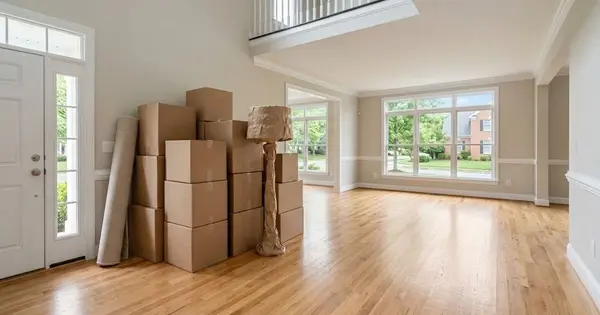
Buyers form an opinion in the first few photos. Declutter, deep clean, handle obvious repairs, and stage rooms so they feel bright and larger. Then invest in professional photography. It is a small cost that consistently pays for itself, since the vast majority of buyers start online and scroll past homes that photograph poorly.
Market it where buyers actually look
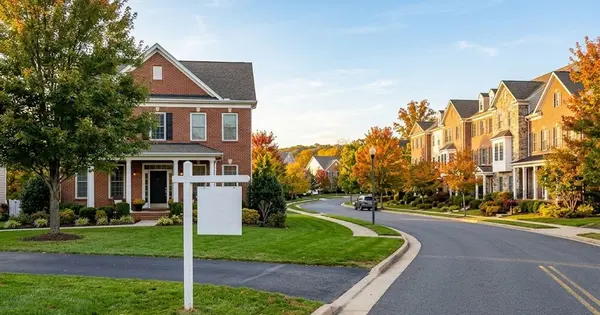
A yard sign is the most common FSBO marketing tool, and it is fine, but on its own it reaches almost no one. The single biggest exposure gap for solo sellers is the multiple listing service, the database that feeds Zillow, Realtor.com, and the portals buyers use. Most FSBO sellers close that gap with a flat-fee MLS service, which lists your home on Bright MLS, the system that covers Virginia and the DC metro, for a set fee. Add clear photos, an honest description, and social media, and you have real reach.
Handle showings and negotiations
Be ready to schedule showings on buyers' timelines, including evenings and weekends, and to answer questions on the spot. When offers come in, remember you are negotiating against buyers who often have an experienced agent on their side. Focus on more than price: closing timeline, contingencies, financing strength, and any concessions all shape whether a deal is good and whether it actually closes.
Get to settlement
Once you accept an offer, the home goes under contract and the closing process begins: inspection, appraisal, the buyer's financing, and title work. Virginia sales close through a title or settlement company, which handles the deed, funds, and recording. Staying organized and responsive through this stage is what keeps a deal from falling apart at the finish line. For a realistic sense of how long each phase takes locally, our guide on how long it takes to sell a house in Fairfax, VA breaks down the timeline in detail.
The paperwork and legal side in Virginia
This is the section where selling alone carries the most risk, because the paperwork is not optional and mistakes can follow you after closing. Virginia has specific requirements that apply whether or not you use an agent, so if you are going it alone, you are responsible for getting them right.
Virginia is a "buyer beware" state under the Residential Property Disclosure Act. In plain terms, you must give the buyer the state Residential Property Disclosure Statement, which largely notifies them that it is their job to inspect and investigate the property. You are not required to hunt for or warrant every defect, but you cannot lie, actively conceal a known problem, or refuse to answer a direct question honestly. Doing so can expose you to a lawsuit after the sale. For a fuller walkthrough, see our Virginia home-selling disclosure checklist.
Virginia FSBO paperwork checklist
- Residential Property Disclosure Statement (the current state form).
- Federal lead-based paint disclosure and the EPA pamphlet for homes built before 1978.
- HOA or condo resale disclosure packet if your property is in an association.
- A written purchase contract with clear terms and contingencies.
- Title and settlement handled through a Virginia title company.
- Payoff information for your current mortgage.
If your home is in a homeowners or condo association, the resale packet deserves special attention because it can slow a closing. Virginia law requires the association to deliver the packet within a set number of business days of a written request, and the buyer generally has a short window to cancel after receiving it. Order it early, since waiting until the last minute is a common cause of delays.
On costs, plan for the Virginia grantor tax, a transfer tax of $0.50 per $100 of sale price, or 0.50%. In Northern Virginia, an additional regional congestion tax of $0.15 per $100 applies, bringing it to 0.65%. On a $700,000 Northern Virginia sale, that is about $4,550. Add title and settlement fees, prorated property taxes, and any buyer's-agent fee you agree to. Virginia does not legally require an attorney, but paying one a few hundred dollars to review your contract and disclosures is money well spent when you have no agent.
See your real bottom line, both ways
Before you commit to selling alone, compare your net proceeds against a full-service sale. A seller net sheet shows every cost, and our full-service 1.5% listing fee keeps marketing, negotiation, and representation intact while lowering what you pay.
See what you'll net after costs Compare the 1.5% listing feeHow the buyer's agent gets paid now
The rules around buyer-agent pay changed in 2024, and it affects FSBO sellers directly. Following an industry settlement effective in August 2024, offers of buyer-agent compensation are no longer posted on the MLS, and buyers now sign a written agreement with their own agent before touring homes. As a seller, you are no longer automatically expected to pay the buyer's agent.
In practice, though, most FSBO sellers still choose to offer a buyer's-agent fee, commonly around 2% to 3%, as a concession negotiated in the contract. The reason is simple: the large majority of buyers work with an agent, and offering to cover that fee keeps your home attractive to the widest pool of buyers. If you refuse entirely, you may narrow your buyer pool, especially in a slower market.
So when you build your budget, treat a possible buyer's-agent concession as a likely cost, not an optional one. It is negotiable, and you can decide case by case, but assuming you will pay nothing to any buyer's agent is usually unrealistic.
Pros and cons of selling FSBO
Laid side by side, the trade-offs are clearer. None of this is meant to talk you out of it; it is meant to help you go in with your eyes open.
Pros
- You save the listing-side commission.
- You control pricing, timing, and every decision.
- It can be fast and simple when you already have a buyer.
- You know your home's story better than anyone.
Cons
- Pricing and exposure mistakes can cost more than you save.
- You still usually pay the buyer's agent.
- It takes significant time, availability, and effort.
- You carry the legal risk on disclosures and contracts.
- You negotiate against experienced buyer's agents.
A useful way to compare is by net position rather than headline commission. The table below sketches how the same sale can look three ways. The numbers are illustrative for a Northern Virginia home and will differ for yours.
| Factor | FSBO | Traditional 3% agent | Full-service 1.5% |
|---|---|---|---|
| Listing-side fee | $0 | ~3% | 1.5% |
| Likely buyer-agent concession | ~2%–3% | ~2%–3% | ~2%–3% |
| MLS and broad exposure | Only via flat-fee add-on | Included | Included |
| Pricing and negotiation help | You do it | Included | Included |
| Your time and risk | High | Low | Low |
Illustrative only. Your actual result depends on your price, your market, and what you negotiate.
Common mistakes to avoid
Most FSBO regrets trace back to the same handful of errors. If you are going to sell alone, protect yourself from these.
What trips up solo sellers
- Overpricing from emotion. Your home is worth what buyers will pay, which the comps, not your attachment, decide.
- Skipping the MLS. A yard sign alone hides your home from most buyers and their agents.
- Weak photos. Buyers scroll past listings that look bad online, no matter how nice the home is.
- Botching disclosures. Missing or dishonest disclosures create real legal exposure in Virginia.
- Assuming you owe no buyer-agent fee. Most FSBO sellers still pay it to stay competitive.
- Poor availability. Slow responses and limited showing times cost you offers.
When it makes sense, and when it does not
FSBO is not right or wrong across the board; it depends on your situation. It tends to make the most sense when you already have a committed buyer, such as a relative, neighbor, or tenant, so there is little marketing to do and the price is agreed privately. It can also work for confident sellers in a hot segment who have the time to price sharply, market on the MLS, and manage the process carefully.
It tends not to make sense when you need to reach the open market to get top dollar, when your home has complications like an HOA packet or unusual features, when you are short on time or availability, or when you are not comfortable negotiating against professionals. In those cases, the price you risk leaving on the table usually dwarfs the commission you hoped to save. Remember, too, that a meaningful share of sellers start out FSBO and end up hiring an agent within a month or two anyway.
If speed and certainty matter more to you than squeezing out the last dollar, there is another route worth knowing: a cash offer lets you sell on your own timeline without listing, showings, or open-market uncertainty. It usually trades a bit of price for convenience, so weigh it honestly against a traditional sale.
Related guides and local pages
Virginia FSBO Guide Finding an Agent Fairfax Vienna Ashburn Homes for SaleThe middle path most people miss
Here is the option that gets lost in the FSBO-versus-full-price debate. You do not have to choose between doing everything yourself and paying a traditional 3% listing fee. A full-service agent at a lower fee keeps the parts that protect your price, professional pricing, MLS exposure, marketing, negotiation, and paperwork, while cutting the cost.
That is the idea behind the Jamil Brothers' full-service 1.5% listing fee. To be clear, this is a lower fee, not a lower level of service. You still get full marketing, a listing on Bright MLS, professional negotiation, and representation from a licensed team through closing. For many sellers, it captures most of the savings they hoped to get from FSBO without taking on the pricing risk, the time, or the legal exposure of selling alone.
If you are weighing your options, the smart sequence is simple: get a real value on your home, run a net sheet to compare FSBO against a full-service sale, and only then decide. You may still choose to sell on your own, and that is a legitimate choice. But you will make it with the actual numbers in front of you rather than a rough guess about commission.
A note on choosing help in Northern Virginia
The Jamil Brothers Realty Group, led by Saad Jamil and Arslan Jamil, is a Northern Virginia team with extensive experience across Fairfax, Loudoun, and Prince William counties. Their approach centers on data-driven pricing and full-service representation at a flexible fee. As with any decision, compare your options objectively and choose what fits your situation and timeline.
Frequently asked questions
How do I sell my house without a realtor in Virginia?
Price it from recent comparable sales, prepare and photograph it, and market it where buyers look, usually including a flat-fee MLS listing on Bright MLS. Handle showings and negotiate offers directly, then complete Virginia's required disclosures, sign a purchase contract, and close through a title or settlement company. Budget for a likely buyer's-agent concession, closing costs, and the grantor tax, and consider paying an attorney to review your contract and disclosures.
How much money do you actually save selling without a realtor?
You mainly save the listing-side commission, commonly about 2.5% to 3% of the price. However, most FSBO sellers still pay the buyer's agent, so the full commission is rarely saved. National data also shows FSBO homes often sell for less than agent-assisted homes, which can offset or exceed the savings. Run a net sheet on your specific home to see the real difference before deciding.
What paperwork do I need to sell my house myself in Virginia?
At minimum, the Virginia Residential Property Disclosure Statement, a federal lead-paint disclosure and pamphlet for homes built before 1978, an HOA or condo resale packet if your property is in an association, and a written purchase contract. You will also need your mortgage payoff information, and the title company will prepare the deed and closing documents. Missing or dishonest disclosures can create legal liability, so accuracy matters.
Do I need a lawyer to sell my house without a realtor in Virginia?
No, Virginia does not legally require an attorney to sell a home, and closings are handled through a title or settlement company. That said, when you have no agent, paying a real estate attorney a few hundred dollars to review your purchase contract and disclosures is a low-cost way to protect yourself from expensive mistakes. Many solo sellers find it well worth the fee.
Do FSBO sellers still have to pay the buyer's agent?
Not automatically. Since the 2024 industry settlement, buyer-agent compensation is negotiated directly rather than posted on the MLS, and sellers are not required to pay it. In practice, though, most FSBO sellers still offer a buyer's-agent concession, commonly around 2% to 3%, because the majority of buyers use an agent and covering that fee keeps the home attractive to more buyers.
How do I price my home correctly without an agent?
Use recent sales of similar homes in your immediate area, ideally within the last 30 to 60 days, and adjust for size, condition, and features. In Northern Virginia, account for school boundaries and Metro proximity, which can change value street to street. Avoid pricing from emotion or from what you "need" to get, since overpricing leads to a stale listing and eventual cuts. A professional valuation gives you an objective starting point.
How do I get my FSBO home on the MLS and Zillow?
The most common way is a flat-fee MLS service, which lists your home on Bright MLS, the system covering Virginia and the DC metro, for a set fee. Because the MLS feeds Zillow, Realtor.com, and other portals, this closes the biggest exposure gap solo sellers face. Pair it with professional photos, an accurate description, and social media to reach the widest audience.
How long does it take to sell a house without a realtor?
It varies widely with pricing, marketing, and the market. In competitive Northern Virginia areas, a well-priced, well-marketed home can go under contract in a few weeks, though FSBO homes often take longer than agent-listed ones once you get past sales to known buyers. Closing then typically adds several weeks for inspection, appraisal, financing, and settlement.
What are the biggest risks of selling without a realtor?
The two biggest are pricing errors and limited exposure, both of which can lower your final price by more than you save in commission. Legal risk from improper disclosures or contract mistakes is a close third, especially in Virginia's disclosure framework. Negotiating against experienced buyer's agents and the sheer time commitment round out the list. Preparation and, where useful, an attorney reduce these risks.
Is selling without a realtor worth it, or should I use a low-fee agent?
It depends on your situation. FSBO makes the most sense when you already have a buyer or have the time and confidence to price and market carefully. If you need the open market to get top dollar, a full-service agent at a lower fee, such as a 1.5% listing fee, often captures most of the savings while protecting your price and removing the risk and workload. Compare your net proceeds both ways before choosing.
Decide with real numbers, not guesses
Whether you sell on your own or with help, start from facts. Get a free home value, then compare your net proceeds against a full-service 1.5% sale to see which path actually leaves you with more.
Run your seller net sheet See the 1.5% listing optionGlossary
The bottom line
Selling your house without a realtor is a real option, and for the right seller in the right situation it works. If you already have a buyer, or you have the time and confidence to price sharply, market on the MLS, and manage the paperwork, you can keep the listing commission and stay in control. Just go in knowing the honest trade-offs: most solo sellers still pay the buyer's agent, the legal disclosures are not optional, and homes sold without broad exposure often fetch less.
The smartest move is not to pick a side before you have the numbers. Get a real value on your home, compare your net proceeds as a FSBO sale versus a full-service sale, and decide from there. If the math favors doing it yourself, do it well. If it favors keeping the expertise while lowering the fee, that middle path is there. Either way, you will be making the biggest financial decision in your sale on facts, not guesswork.
Next steps
Line up your numbers before you list anything. It is the difference between guessing at your bottom line and knowing it.
Get a free home value Explore a cash offerCategories
- All Blogs (1158)
- Aldie (3)
- Ashburn (6)
- Buyer Guide (8)
- Buying a home (2)
- Buying Strategies (28)
- festivals (1)
- General Blog (66)
- Leesburg (5)
- Market Intelligence (29)
- Market Updates (8)
- Notable Properties For Sale (29)
- Real Estate Tips, News, and More (376)
- Seller Guide (2)
- Seller Guides (60)
- Selling Your Home (469)
- Sterling (6)
- Top Realtors in Northern Virginia (58)
Recent Posts
Message Sent!
Thank you for reaching out. Arslan & Saad have received your details and will be in touch shortly.
Need immediate assistance? Call or text 703-782-4830.