
Are Price Reductions Becoming More Common in Northern Virginia? What DMV Buyers and Sellers Need to Know in 2026
If you've been watching real estate listings across Northern Virginia, Maryland, or the D.C. metro area lately, you've probably noticed something that was almost unheard of two years ago: price reductions. More sellers are adjusting their asking prices and doing it earlier in the listing cycle than at any point since the pandemic housing boom. The shift is subtle, but it's real, and it carries significant implications worth reviewing with a Northern Virginia real estate agent whether you're buying, selling, or investing in the DMV region.
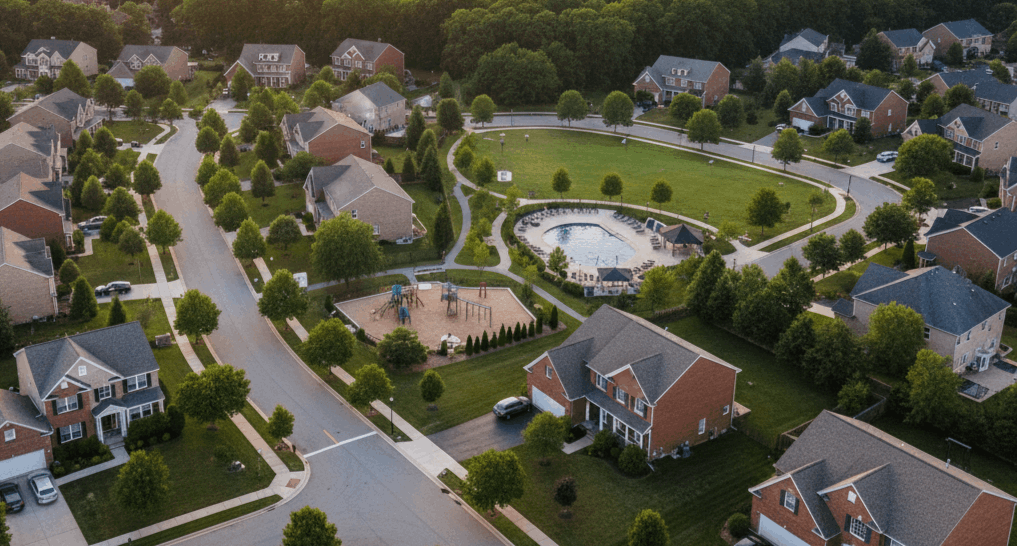
Nationally, roughly 34% of active listings carried a price reduction as of mid-January 2026, according to HousingWire data, up from about 33.5% during the same period in 2025. In Virginia specifically, the share of listings with price cuts has edged up from 28.2% to 28.4% year-over-year. These aren't dramatic numbers in isolation, but they represent a sustained directional change that is reshaping negotiations, buyer expectations, and seller strategy from Fairfax County to Prince William County and beyond.
The question isn't whether price reductions are happening; they are. The question is what this trend means for your next move. Let's break it down in detail.
⚡ Quick Facts at a Glance: Price Reductions in the DMV (February 2026)
- 📊 National price reduction share: ~34.2% of active listings (up from 33.5% YoY)
- 🏠 Virginia price reduction share: ~28.4% of listings (up from 28.2% YoY)
- 📈 NoVA active listings (Jan 2026): 1,526, up 21.1% year-over-year
- 💰 NoVA median sold price (Jan 2026): $675,000, down 1.5% YoY
- ⏳ Average days on market (NoVA): 42 days, up 35.5% from January 2025
- 🏗️ Months of supply (NoVA): 1.1 months, up 19.9% YoY
- 📉 30-year fixed mortgage rate: ~6.11% (down from 6.89% a year ago)
Sources: NVAR (Feb 2026), HousingWire, Freddie Mac, Houzeo/MLS data
📑 Table of Contents
- What Are Price Reductions, and Why Are They Increasing?
- Why Price Reductions Matter for DMV Buyers and Sellers Right Now
- The Economic Factors Driving Northern Virginia Price Reductions
- Northern Virginia Housing Market Timeline (2022 to 2026)
- Where Price Reductions Are Showing Up Most in the DMV
- How Price Reductions Change the DMV Real Estate Playbook
- Northern Virginia's Unique Housing Market Position in 2026
- Pros and Cons of Buying or Selling a Home During a Price Reduction Trend
- What DMV Buyers, Sellers, and Investors Should Do Next
- Frequently Asked Questions
🔍 What Are Price Reductions, and Why Are They Increasing?
A price reduction happens when a seller lowers the asking price on their home after it's been listed on the MLS. It's not a sign of market collapse; it's a signal. Specifically, it signals that a home's initial list price didn't generate enough buyer interest to produce an offer within the seller's expected timeframe.
In the pandemic-era market of 2021 and 2022, price reductions were almost nonexistent in Northern Virginia. Homes routinely sold above asking price within days. That environment conditioned many sellers to believe they could price aggressively and still receive multiple offers. That era is over.
As of mid-January 2026, approximately 34.2% of active listings nationally had undergone at least one price reduction, up from 33.5% a year earlier according to HousingWire's Market Tracker. In Virginia, the number sits around 28.4%, a modest but meaningful uptick from 28.2%. The trend is most visible in markets with rising inventory, and Northern Virginia's active inventory jumped 21.1% year-over-year in January 2026 according to the Northern Virginia Association of Realtors (NVAR).
Price reductions don't mean homes are losing value wholesale. They mean the market is recalibrating. Sellers who overshoot their asking price are being corrected by buyer behavior, longer days on market, and better-informed competition. And in a region like the DMV, where median prices still hover near $675,000 in NoVA, even a modest recalibration in the list-to-sold price ratio has dollar-for-dollar significance for both sides of the transaction.
📌 Why Price Reductions Matter for DMV Buyers and Sellers Right Now
For buyers, rising price reductions translate to leverage. Homes that sit on the market longer and undergo price adjustments tend to sell closer to, or below, their adjusted price. That's a fundamentally different negotiating environment than what buyers have faced over the past four years. If you've been waiting for a window to negotiate, this is it.
For sellers, the message is equally clear: pricing strategy has never been more critical. In January 2026, Northern Virginia homes averaged 42 days on market, up 35.5% from a year ago. Knowing the realistic days-on-market this year helps you set expectations before you list, because homes that are priced right from day one still sell quickly. Homes that are priced aspirationally are sitting, accumulating days on market, and ultimately requiring reductions that signal weakness to buyers.
💡 Key Insight: A price reduction after 30+ days on market doesn't just lower the price; it resets buyer perception. Buyers often interpret price cuts as a sign of motivated sellers, which can shift the negotiating dynamic significantly. The best strategy is to avoid needing a reduction altogether by pricing accurately from day one.
For investors, this environment creates opportunity. Rising inventory combined with price adjustments means more properties to evaluate, more room to negotiate, and potentially better entry points, particularly in segments like condominiums, where NVAR forecasts a 2.7% price decline in 2026.
The bottom line: this isn't a buyer's market or a seller's market in the traditional sense. It's a precision market. The winners are the ones who understand the data, price correctly, and move decisively.
💵 The Economic Factors Driving Northern Virginia Price Reductions
Several converging forces are pushing more DMV listings toward price reductions in early 2026. None of them, individually, would be enough to move the needle. Together, they've created a meaningful shift in how the housing market behaves.
Mortgage rates have improved, but not enough to unlock full demand. The 30-year fixed rate averaged 6.11% as of February 5, 2026, according to Freddie Mac. That's down meaningfully from 6.89% a year ago, and rates have dipped below 6% at some lenders. But rates in the 6% range are still double what they were in 2020 to 2021, and many would-be buyers remain on the sidelines. If you're considering purchasing and want to understand how today's rates affect your monthly payment, it's worth exploring your financing options before spring inventory peaks.
Inventory is climbing steadily. Northern Virginia saw a 21.1% year-over-year increase in active listings in January 2026, reaching 1,526 units. NVAR's 2026 forecast projects single-family inventory in Fairfax County to rise 35.8% and townhome inventory to increase 30.4%. More choices for buyers mean more competition among sellers, and more pressure to price competitively.
Federal workforce uncertainty continues to weigh on the DMV. Federal layoffs, government shutdowns, and agency restructuring have created economic anxiety in a region where the federal government is a dominant employer. Bright MLS chief economist Lisa Sturtevant has described 2026 as a "reset year, not a rebound year" for the DMV. That uncertainty dampens demand and makes buyers more cautious, which in turn leads to more listings sitting and more sellers reducing.
Wage growth is outpacing home price appreciation. This is actually good news for affordability. Real estate economist Danielle Hale has noted that with incomes projected to grow around 3.6% and home price appreciation slowing to the 1% to 2% range nationally, real purchasing power is improving. But it also means sellers can't keep pushing prices upward at the 4% to 6% clip they saw in recent years.
| Metric | Jan 2025 | Jan 2026 | Change |
|---|---|---|---|
| Closed Sales (NoVA) | 833 | 786 | ▼ 5.6% |
| Median Sold Price | $685,125 | $675,000 | ▼ 1.5% |
| Active Listings | 1,260 | 1,526 | ▲ 21.1% |
| Avg Days on Market | 31 days | 42 days | ▲ 35.5% |
| New Pending Sales | 933 | 1,001 | ▲ 7.3% |
| Months of Supply | 0.9 | 1.1 | ▲ 19.9% |
| 30-Year Fixed Rate | 6.89% | 6.11% | ▼ 0.78 pts |
Sources: NVAR January 2026 Market Report, Freddie Mac PMMS
📅 Northern Virginia Housing Market Timeline (2022 to 2026)
Understanding the current price reduction trend requires context. Here's how the DMV housing market evolved over the past four years to reach this point.
2021 to 2022: The seller's peak. Record-low mortgage rates below 3%, pandemic-driven demand, and minimal inventory created a hyper-competitive market. Multiple offers were the norm, price reductions were essentially nonexistent, and homes in Fairfax, Loudoun, and Arlington routinely sold for 5% to 15% above asking price within days.
2023: The rate shock. Mortgage rates surged past 7%, freezing many buyers out of the market. Sales volume plummeted, but prices held relatively firm in Northern Virginia because inventory stayed extremely tight. Sellers with low existing rates refused to sell (the "lock-in effect"), keeping supply constrained even as demand fell. If you purchased during this period and want to understand your home's current position, you can request a current home evaluation to see where you stand.
2024: The slow thaw. Rates began easing from their peaks. Sales activity ticked up modestly, and inventory started growing as more homeowners listed. Price reductions began appearing more frequently, especially on overpriced listings and in the condo segment. The market was transitioning, but slowly.
2025: The reset year. Inventory surged. NoVA's active listings hit 2,042 in November 2025, a 45.1% increase year-over-year. The Federal Reserve cut rates three times in the second half of the year. Sales improved modestly, but the gap between buyer expectations and seller pricing widened. Price reductions became a regular feature of the market, not an anomaly.
Early 2026: The new normal. Rates have settled near 6%, inventory continues rising, and NVAR reports homes averaging 42 days on market, up 35.5% from a year earlier. Sellers who price correctly still sell. Sellers who overshoot are reducing. The market hasn't crashed; it has normalized. And normalization, for many DMV residents, feels unfamiliar simply because the last five years were anything but normal.
🏘️ Where Price Reductions Are Showing Up Most in the DMV
Price reductions are not distributed evenly. In Northern Virginia, a collection of micro-markets that behave very differently from one another, the pattern varies by jurisdiction, price point, and property type. Here's what the data and forecasts show for 2026.
Prince William County is the most price-sensitive jurisdiction in the NVAR footprint. NVAR's 2026 forecast projects a 0.2% price decline for single-family homes here, making it one of the only Northern Virginia submarkets where prices are expected to slip into negative territory. Inventory growth, combined with buyer price sensitivity at the sub-$600K range, is creating more frequent reductions. Buyers looking in this area may find some of the strongest negotiating positions in the region, and searching current inventory is a good place to start.
Fairfax County remains the anchor market of Northern Virginia, and while prices are expected to rise 1.9% overall in 2026, the story varies widely within the county. Well-priced homes in top school districts and near Metro access still move quickly. However, inventory is projected to jump 35.8% for single-family and 30.4% for townhomes, and that additional competition is forcing sellers in less differentiated locations to reduce.
Arlington and close-in markets are showing more resilience. Proximity to D.C., walkability, and limited inventory continue to support pricing. NVAR projects a 3.8% price increase in Arlington in 2026. Price reductions here tend to be concentrated on higher-end properties where buyers are fewer and more selective.
Condominiums across the region are the most affected segment. NVAR forecasts a 2.7% price decline for condos in 2026. With more inventory and buyer hesitation around HOA fees and lifestyle preferences, condo sellers are reducing prices more frequently and more aggressively than single-family or townhome sellers.
💡 DMV Insight: The Maryland suburbs and D.C. proper are following similar patterns. Bright MLS projects inventory to rise 11% nationally and approximately 18% in the North Central Virginia corridor. Markets with rapid inventory growth are the most likely to see sustained price reductions through spring 2026.
Loudoun County occupies a middle ground. Buyers here are attracted to newer construction along the Dulles Technology Corridor and more space, but this market is price-sensitive relative to closer-in areas. Sellers who price based on 2024 comps rather than current conditions are the ones most frequently adjusting downward. Understanding where your home falls relative to competition is essential, and getting an accurate home evaluation is the first step in positioning effectively.
🏡 How Price Reductions Change the DMV Real Estate Playbook
The rise in price reductions doesn't just change the numbers; it changes how buyers, sellers, and agents need to approach every transaction. Here's what's different in 2026.
For sellers: the "test the market" strategy no longer works. In 2021, you could list high and see what happened. In 2026, that approach creates the overpricing trap behind most price cuts: overpricing leads to sitting, which leads to reducing, which leads to selling below where you would have sold had you priced correctly from day one. NVAR data shows homes averaging 42 days on market versus 31 a year ago. That extra time costs sellers negotiating power and, in many cases, real dollars.
The smartest sellers in 2026 are those who invest in preparation, including staging, professional photography, and pre-list repairs, and price at or slightly below market based on a comparative market analysis (CMA). Well-priced homes in the DMV are still receiving strong interest and, in many cases, multiple offers. The difference is that "well-priced" now requires sharper analysis than it did two years ago. For sellers looking to maximize their proceeds, listing at a reduced commission rate can meaningfully improve your net outcome without sacrificing marketing or exposure.
For buyers: patience is now an asset. More inventory and more price reductions mean you have time to evaluate, compare, and negotiate. You're no longer in a position where you must waive every contingency to compete. That said, the best properties in desirable locations still move quickly, so being prepared with a mortgage pre-approval and a clear strategy remains essential.
For agents: data literacy is the differentiator. In a market where pricing precision determines outcomes, the agents who understand hyper-local comps, absorption rates, and price-per-square-foot trends are the ones delivering results. Generic advice doesn't work when two homes five miles apart can have completely different trajectories.
Thinking about making a move this spring? Start with the right information.
🗺️ Northern Virginia's Unique Housing Market Position in 2026
Northern Virginia is not a typical housing market, and that distinction matters enormously when interpreting price reduction trends.
The region's economic backbone includes federal employment, defense contracting, technology, and professional services. These sectors create consistent housing demand that many other U.S. markets lack. However, the federal workforce disruptions of 2025, including layoffs, a prolonged government shutdown, and agency restructuring, have introduced a level of uncertainty that the DMV hasn't experienced in decades.
NVAR CEO Ryan McLaughlin acknowledged this shift in February 2026, noting that buyers are "taking a more deliberate approach" and "evaluating affordability, weighing trade-offs, and seeking guidance." That measured buyer behavior is precisely what drives price reductions: when buyers slow down, sellers who priced ahead of the market feel the correction first.
Despite the moderation, Northern Virginia's fundamentals remain strong. George Mason University's Center for Regional Analysis, which co-produces NVAR's annual forecast, has emphasized that the region's housing market has "pulled back from its frenetic pace" but that "prices will remain stable" as the market finds balance. Sales activity is actually projected to increase across most jurisdictions: Fairfax County sales are forecast to rise 8.4%, and new pending sales in January 2026 were already up 7.3% year-over-year.
What makes Northern Virginia unusual is that price reductions here don't signal weakness; they signal recalibration. The market is adjusting from an abnormal period of extreme seller dominance to something closer to historical norms. For well-positioned buyers and well-advised sellers, that's a healthy and navigable environment. If you're looking to enter the market with a clear understanding of what you can afford, connecting with a financing expert early in the process makes a real difference.
⚖️ Pros and Cons of Buying or Selling a Home During a Price Reduction Trend
Every market environment creates winners and losers. Here's an honest look at the advantages and disadvantages of transacting in a market where price reductions are more common.
| ✅ Advantages | ⚠️ Disadvantages |
|---|---|
| Buyers have more inventory, more time, and stronger negotiating leverage | Buyers may over-negotiate and lose well-priced homes to more decisive competitors |
| Sellers who price correctly from day one still sell quickly and at strong prices | Sellers who overprice risk extended market time and reduced buyer confidence |
| Investors can find better entry points, especially in the condo segment | Investors face uncertainty around rental demand tied to federal workforce changes |
| Mortgage rates near 6% are significantly better than the 7%+ environment of late 2023 | Rates in the 6% range still represent a meaningful affordability barrier for many first-time buyers |
| Real purchasing power is improving as wage growth outpaces price appreciation | Economic uncertainty (federal employment, tariffs) could dampen demand further |
The key takeaway is that this market rewards preparation and penalizes guessing. Whether you're on the buy side or the sell side, the data should drive the decision, not assumptions based on what the market did two years ago. Sellers who want to protect their bottom line should also consider how listing costs affect their net proceeds, and saving on commission with a proven team is one of the most direct ways to keep more money in your pocket.
🎯 What DMV Buyers, Sellers, and Investors Should Do Next
Regardless of which side of the transaction you're on, the rising price reduction trend creates specific action items. Here's what we recommend based on what the data is telling us right now.
If you're a buyer:
- Get pre-approved now, before the spring rush. Rates near 6% are at their lowest level in over three years, and that window may not last.
- Track days on market and price history for listings you're interested in. Homes with 30+ days and a recent reduction are often the best negotiating opportunities.
- Don't wait for a "bottom." Markets don't announce bottoms. What they do is offer windows of opportunity, and this is one of them.
- Focus on total cost of ownership, not just sticker price. A home bought at $650K with a 6% rate may cost less monthly than the same home at $610K with a 7% rate. The current homes available in the DMV offer a wide range of price points worth exploring.
If you're a seller:
- Price based on current market data, not what your neighbor sold for 18 months ago. The market has moved, and buyers know it.
- Invest in staging and professional photography. In a market with more competition, presentation is a differentiator that directly impacts offers.
- If you're going to reduce, do it quickly and strategically. Real estate professionals recommend adjusting within the first two weeks if showings are slow, since a midweek reduction resets the listing in buyer alert systems.
- Consider listing ahead of the spring surge. Fewer competing listings in February and March can give you an advantage over sellers waiting for the traditional peak season.
If you're an investor:
- Look at condos and townhomes where price reductions are most concentrated. The condo segment in particular offers potential value as prices are projected to dip 2.7% in NoVA.
- Analyze rental yields carefully. The DMV rental market is showing divergence, with core areas seeing slower rent growth while outer suburbs rise faster.
- Factor in long-term fundamentals. Northern Virginia's employment base, proximity to D.C., and limited land supply continue to support long-term appreciation even through short-term moderation.
❓ Frequently Asked Questions About Northern Virginia Price Reductions
Are price reductions a sign that the Northern Virginia housing market is crashing?
No. Price reductions reflect a market that is normalizing after years of extreme seller dominance. Northern Virginia's fundamentals, including strong employment, sustained demand, and limited land supply, remain solid. A 1.5% median price dip in January is an adjustment, not a collapse.
What percentage of homes in Northern Virginia are seeing price reductions in 2026?
Virginia-wide, approximately 28.4% of listings have undergone price reductions, up slightly from 28.2% a year ago. In Northern Virginia specifically, the percentage varies by submarket, with condos and price-sensitive areas like Prince William County tending to see higher reduction rates than close-in Arlington and top-tier Fairfax neighborhoods.
Should I wait to buy a home if price reductions are increasing?
Not necessarily. Mortgage rates are currently near three-year lows around 6.11%, and waiting could mean higher rates, more competition from other buyers re-entering the market, or fewer choices if inventory tightens in the spring. The best approach is to be prepared and act when you find the right home at the right price.
How much are sellers typically reducing their prices in Northern Virginia?
Reduction amounts vary widely based on how far the original price was from market value. Typical initial reductions range from 2% to 5% of the asking price, though overpriced properties may require larger adjustments. The key is that well-priced homes often sell without any reduction at all.
What should I do if my home isn't getting offers and I need to reduce the price?
Act quickly and decisively. Experts recommend evaluating feedback after the first two weeks on market. If showings are low and no offers have materialized, a strategic midweek price adjustment can reset buyer interest and get your home back into search alerts. Avoid small, incremental reductions, since one meaningful cut is more effective than several minor ones.
Are condos a good investment in Northern Virginia right now?
Condos present a mixed picture. NVAR forecasts a 2.7% price decline for condos in 2026, creating potential value for buyers and investors. However, rising HOA fees and shifting lifestyle preferences have reduced demand. If you're considering a condo purchase, focus on buildings with strong reserves, low HOA increases, and desirable locations near transit.
How do federal government layoffs affect home prices in the DMV?
Federal workforce uncertainty has dampened buyer confidence in the DMV, contributing to slower sales and more cautious pricing. However, Northern Virginia's economy has diversified significantly over the past two decades, with tech, defense contracting, and healthcare providing economic resilience. The impact tends to be concentrated in areas with higher concentrations of federal workers.
What's the best time to list a home in Northern Virginia in 2026?
Listing before the spring surge, ideally in February or early March, can reduce your competition and increase visibility. As inventory is projected to rise through the year, homes listed earlier face fewer competing listings. The most important factor, regardless of timing, is pricing accurately based on current comparable sales data.
How long does it take to sell a house in Northern Virginia in 2026?
In January 2026, the average home in Northern Virginia took 42 days on market, up from 31 days a year earlier. Accurately priced homes in strong school districts and near Metro access still sell faster, often within the first two weeks, while overpriced or condo listings tend to take longer. Pricing strategy and presentation are the biggest factors that influence your timeline.
Will mortgage rates drop below 6% in 2026?
Some lenders are already offering rates below 6% for well-qualified borrowers. Freddie Mac's average was 6.11% as of early February 2026, and Fannie Mae projects a possible dip to 5.9% by the fourth quarter. However, rates are driven by multiple unpredictable factors including inflation, Federal Reserve policy, and bond markets. Planning around current rates rather than forecasted rates is the safest approach.
How can I find homes with price reductions in Northern Virginia?
Most real estate search platforms allow you to filter by "price reduced" or sort by days on market. Working with a local agent who monitors MLS data daily is the most effective approach, as they can identify new reductions before they appear in consumer-facing search tools and help you evaluate whether the adjusted price represents genuine value.
Ready to Navigate This Market With Confidence?
Whether you're buying, selling, or investing in the DMV, the Jamil Brothers Realty Group is here to help you make informed, strategic moves. Call us at 703-782-4830 or get started below.
Categories
- All Blogs (1227)
- Aldie (3)
- Ashburn (6)
- Buyer Guide (8)
- Buying a home (2)
- Buying Strategies (30)
- festivals (1)
- General Blog (67)
- Leesburg (5)
- Market Intelligence (29)
- Market Updates (8)
- Notable Properties For Sale (32)
- Real Estate Tips, News, and More (385)
- Seller Guide (2)
- Seller Guides (60)
- Selling Your Home (522)
- Sterling (6)
- Top Realtors in Northern Virginia (58)
Recent Posts



Message Sent!
Thank you for reaching out. Arslan & Saad have received your details and will be in touch shortly.
Need immediate assistance? Call or text 703-782-4830.