The Jamil Brothers Blog
Data-driven advice for buying, selling, and investing in Northern Virginia. Expert insights on the Loudoun, Fairfax, and Prince William County markets.
Selling Your Home
Maximize equity with 1.5% listing strategies. Staging, pricing, and negotiation guides for NOVA.
Buying Strategies
Win in a competitive market. From crafting offers in Ashburn to finding hidden inventory.
Market Intel
Live stats and forecasts. Is the market crashing or booming? Get the real data.
Stop guessing. Start winning in Northern Virginia.
Why settle for a standard agent? The Jamil Brothers combine data-driven strategy with flexible options to maximize your equity.

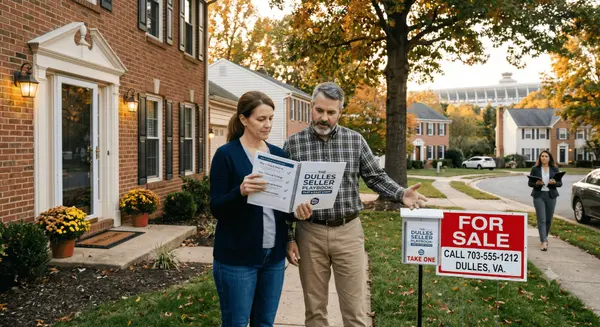
Sell My Home Fast in Dulles: A Step-by-Step Local Seller Playbook
Quick Answer: To sell your house fast in Dulles, VA, price it correctly against recent Loudoun County comps, complete a focused pre-listing prep list, and choose a marketing path that matches your timeline. In early 2026, well-prepared, accurately priced homes in the Dulles area (ZIP 20166) are goin
Read More
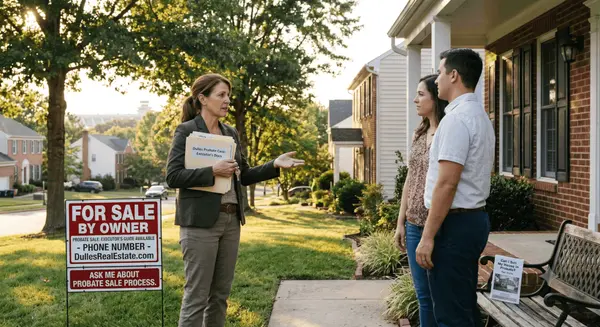
Can I Sell My House in Probate in Dulles? A Step-by-Step Executor's Guide
Quick Answer: Yes — you can sell a probate house in Dulles, VA, but only after the Loudoun County Circuit Court has admitted the will (or appointed an administrator) and issued you Letters Testamentary or Letters of Administration. With a will that grants a power of sale, you can usually list the
Read More
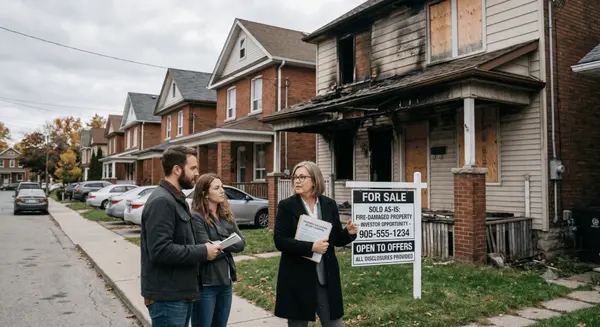
How to Sell a Fire-Damaged House in Hamilton, VA: Buyer Pool, Pricing & Disclosures
Quick Answer: To sell a fire-damaged house in Hamilton, VA, you have three realistic paths: sell as-is to cash investors who buy distressed Loudoun County property, make targeted repairs and list on the open market, or use a hybrid pre-listing cleanup. Virginia law requires you to disclose the fire
Read More
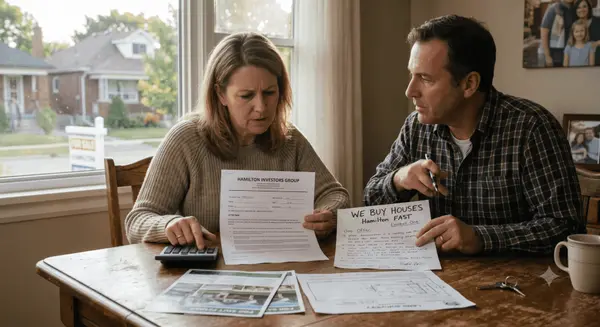
Sell My House for Cash in Hamilton, VA: How to Spot a Fair Offer (and a Lowball One)
Quick Answer: A fair cash offer for a Hamilton, VA home typically lands between 80% and 90% of fair market value after accounting for repairs, while a lowball offer sits well below that — often 65% to 75% of value — and relies on pressure tactics, vague "as-is" math, and inflated repair estimates. T
Read More
Categories
Recent Posts