
Who Delivers Your Offer to the Seller, And What Happens Next?
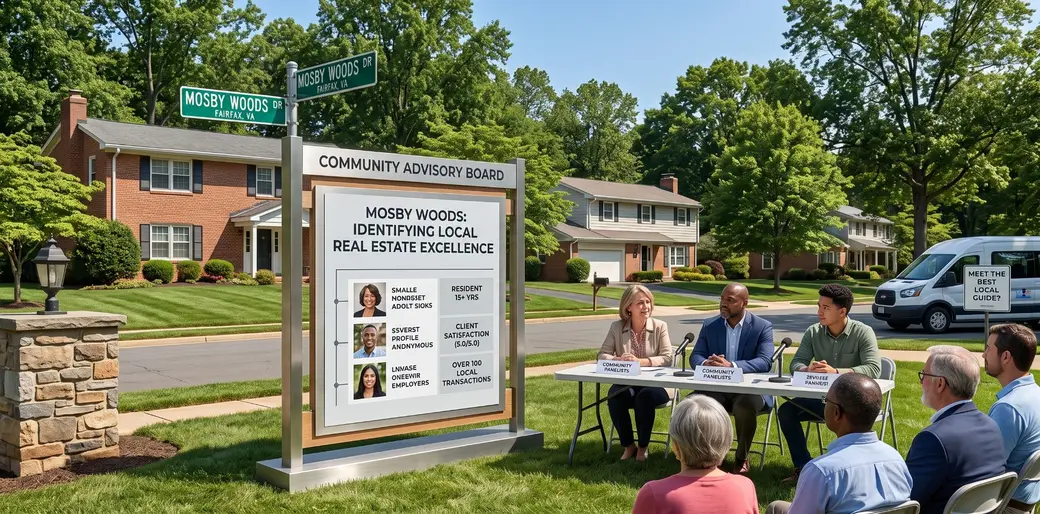
Quick Answer: Your buyer's agent delivers your written offer to the seller's listing agent — you never hand it to the seller directly. The listing agent is then required to present every legitimate offer to the seller, who can accept it, reject it, or send back a counteroffer. Once the seller signs and that acceptance is delivered back to you, the contract is "ratified," and the transaction moves into inspections, appraisal, financing, and closing.
Key Takeaways
- Agents talk to agents. Your buyer's agent submits the offer to the listing agent, who presents it to the seller.
- Listing agents must present all offers. In Virginia, sellers are entitled to see every bona fide written offer promptly.
- Three responses are possible: accept, reject, or counter. Most negotiations involve at least one counteroffer.
- "Ratified" is the moment that matters. The contract is ratified when the seller's signed acceptance is delivered back to you — and your contingency clocks start then.
- After acceptance, the real work begins: earnest money, inspection, appraisal, financing, title, and the final walkthrough before settlement.
- In Northern Virginia's competitive markets, escalation clauses, appraisal-gap terms, and "highest and best" requests are common.
In This Guide
- Who Actually Delivers Your Offer
- How a Written Offer Gets Built
- How the Listing Agent Presents It
- Accept, Counter, or Reject
- Multiple-Offer Situations in NOVA
- What "Ratified" Really Means
- What Happens After Acceptance
- The Contingencies That Protect You
- Common Buyer Mistakes
- Choosing an Agent Who Wins Offers
- FAQ
- Glossary
You found the house. You're ready to make an offer. But once you sign it, where does it actually go — and who hands it to the seller? It's one of the most common questions buyers ask, and the answer clears up a lot of confusion about how a deal really comes together.
Short version: you don't deliver anything yourself, and you rarely speak to the seller at all. The whole process runs agent-to-agent. This guide walks through exactly who delivers your offer, what the seller can do with it, and every step that follows — with the Northern Virginia specifics that matter here.
Who Actually Delivers Your Offer
Your written offer travels a short but specific path. Your buyer's agent prepares and submits it to the seller's listing agent. The listing agent then presents it to the seller. You never hand the offer to the seller, and in most cases you never meet them until closing — if at all.
ℹ️ The Path of an Offer
You + your buyer's agent → the seller's listing agent → the seller. Every response travels back the same way. Agents are the messengers, negotiators, and record-keepers for the whole exchange.
Why the middle layer? Because each side has a licensed professional whose job is to protect their client's interests and keep the paperwork legally sound. The table below shows who does what in a typical Virginia transaction.
| Role | Who They Represent | Their Job in the Offer |
|---|---|---|
| Buyer's agent | You, the buyer | Writes, prices, and submits your offer; negotiates on your behalf |
| Listing agent | The seller | Receives your offer and presents it to the seller with advice |
| Seller | Themselves | Decides to accept, counter, or reject |
| Settlement agent | The transaction | Holds escrow, handles title, and conducts closing later |
A quick note on today's rules: since the 2024 industry settlement, buyers in Virginia sign a written buyer-agency agreement with their agent before touring homes, and buyer-agent compensation is negotiated separately — it can even be requested from the seller as a term inside your offer. Your agent will explain how that works before you write anything.
How a Written Offer Gets Built
Before anything gets delivered, your agent builds the offer. In Northern Virginia, this is usually the standard NVAR or Virginia REALTORS® purchase contract — a legally binding document, not a casual note. Price is only one line in it. The terms around price often decide whether a seller says yes.
What Goes Into Your Offer
- ✓ Offer price — what you're proposing to pay
- ✓ Earnest money deposit — good-faith money showing you're serious
- ✓ Financing terms — loan type, or cash, plus your pre-approval
- ✓ Contingencies — inspection, appraisal, financing, and more
- ✓ Closing date — when you want to settle
- ✓ Seller concessions — closing-cost help or buyer-agent compensation, if requested
- ✓ Included items — appliances, fixtures, or anything you want to convey
Two offers at the same price are rarely equal. What separates a strong offer from a weak one is the terms around the number.
| Element | Stronger Offer | Weaker Offer |
|---|---|---|
| Financing | Full pre-approval or cash | No letter or vague pre-qualification |
| Earnest money | Sizable, credible deposit | Minimal deposit |
| Contingencies | Reasonable, well-defined | Excessive or open-ended |
| Closing date | Matches the seller's timeline | Rigid or inconvenient |
A strong pre-approval letter attached to your offer tells the seller you can actually close. In a competitive market, that letter can matter as much as the number on the price line. Getting your financing and strategy set before you write is exactly what a buyer strategy session is for.
Know your budget, your contingencies, and your negotiation position before you tour a single home. The Jamil Brothers walk you through offer strategy for the exact Northern Virginia market you're buying in — no pressure, no cost.
How the Listing Agent Presents It
Once your buyer's agent delivers the offer, the listing agent reviews it and presents it to the seller. This isn't optional. Under real estate license law and REALTOR® ethics, a listing agent must present all bona fide written offers to their seller promptly — they can't quietly sit on one they don't like.
The listing agent walks the seller through the numbers and the terms: the price, the strength of your financing, your contingencies, and your timeline. They'll advise the seller, but the seller makes the call. In a quiet market, your offer might be the only one on the table. In a hot Northern Virginia neighborhood, it could be one of ten.
ℹ️ Sellers Weigh Terms, Not Just Price
A slightly lower offer with clean financing, few contingencies, and a flexible closing date can beat a higher offer that looks risky. The "best" offer is the one most likely to actually close on the seller's terms.
Accept, Counter, or Reject
After reviewing your offer, the seller has three moves. Each one sends the ball back to your side of the court.
| Seller's Move | What It Means | What You Do Next |
|---|---|---|
| Accept | They sign your offer exactly as written | You're headed to ratification — move to inspections |
| Counter | They propose changes — price, dates, or terms | Accept, counter back, or walk away |
| Reject | They decline without a counter | Rework the offer or move to another home |
Counteroffers are the norm, not the exception. A back-and-forth over price, closing date, or which repairs the seller will cover is a normal part of almost every deal. The chart below shows roughly how sellers respond in a typical balanced-to-competitive market.
How Sellers Typically Respond to an Offer
Illustrative pattern only — actual response depends on price, terms, and how many offers the seller has.
Multiple-Offer Situations in NOVA
In sought-after Fairfax and Loudoun County neighborhoods, a well-priced home can draw several offers in a weekend. When that happens, the seller has more options — and you need a sharper strategy. Here's how sellers commonly handle a stack of offers.
| Tactic | How It Works |
|---|---|
| Highest and best | Everyone is invited to submit their strongest offer by a deadline |
| Accept the strongest | Seller picks the best overall offer outright — not always the highest price |
| Counter one, hold others | Negotiate with the top offer while keeping backups in reserve |
| Counter several at once | Send counters to multiple buyers, with proper disclosure |
This is where two tools show up often in Northern Virginia. An escalation clause automatically raises your offer above competing bids up to a cap you set. An appraisal-gap term promises to cover a shortfall if the home appraises below your offer. Both are powerful and both carry risk — use them with a clear head and good guidance. When you're ready to compete, start by tracking the right homes on the team's live homes-for-sale search.
Track new listings the moment they hit the market and know which homes are worth an offer. Pair the search with a strategy session and you'll be ready to move fast when the right one appears.
What "Ratified" Really Means
"Accepted" and "ratified" get used interchangeably, but the precise moment matters — a lot. In Virginia, the Date of Ratification is the date the seller's signed acceptance is delivered back to you or your agent. That delivery is what makes the contract binding.
This date is the starting gun for nearly every deadline in your contract. Your inspection window, your financing application, your appraisal, and your earnest money deposit all count from ratification. Miss a date and you can lose a contingency's protection — so your agent tracks these carefully.
ℹ️ Why the Delivery Date Rules
A seller can sign your offer, but the contract isn't ratified until that signed acceptance is actually delivered back to your side. The informational "date of ratification" line an agent fills in later doesn't change when the clock started — delivery does.
Once you're ratified, you're "under contract." The home usually shows as pending, and both sides start working through the steps that lead to closing.
What Happens After Acceptance
Here's the typical Northern Virginia sequence from ratification to keys. Timelines vary by contract, but this is the shape of most transactions.
Earnest Money Deposit — Days 1–5
You deliver your deposit to the settlement agent or escrow holder, typically within about five business days of ratification.
Home Inspection — Days 1–10
You hire an inspector and review the report. Virginia is a "buyer beware" state, so this step protects you. Negotiate repairs or credits if needed.
Loan Application & Appraisal — Weeks 1–3
You formally apply for financing (often within seven days of ratification), and your lender orders an appraisal to confirm the home's value.
Title & Underwriting — Weeks 2–4
The settlement agent runs a title search while your lender finishes underwriting. A clean title and final loan approval keep you on track.
Final Walkthrough — 1–2 Days Before Closing
You confirm the home is in the agreed condition and any negotiated repairs are done.
Settlement / Closing — Around Day 30–45
You sign, funds transfer, the deed records, and you get the keys. In Virginia, buyer and seller often close at the same settlement table.
The chart below shows roughly where your time goes between ratification and closing. The middle stretch — inspection, appraisal, and loan underwriting — is where most deals live or die.
Where the Time Goes After Ratification
Illustrative timing for a financed purchase; cash deals move faster.
The Contingencies That Protect You
Contingencies are the safety valves in your contract. Each one gives you a defined way to renegotiate or walk away — usually with your earnest money — if something goes wrong. Here are the core four.
| Contingency | What It Protects |
|---|---|
| Home inspection | Your right to review the home's condition and negotiate repairs or exit |
| Appraisal | You against overpaying if the home appraises below your price |
| Financing | Your deposit if your loan falls through despite good faith |
| Title | You from inheriting liens or ownership disputes on the property |
In competitive situations, buyers sometimes waive contingencies to make an offer stronger. It can work — but it shifts real risk onto you. Weigh the tradeoff carefully before dropping a protection.
| ✓ Waiving Can Help | ✗ Waiving Can Hurt |
|---|---|
| Makes your offer stand out in a bidding war | You lose the right to renegotiate or exit cleanly |
| Signals confidence and speed to the seller | A bad inspection or low appraisal becomes your problem |
| Can shorten the timeline to closing | Your earnest money may be at risk if you back out |
If you need to sell to buy, timing is everything. Get a free valuation of your current home so you know your equity and can write an offer with confidence — then build your buyer strategy around it.
Common Buyer Mistakes
The offer stage is where deals are won or lost. These are the errors that cost Northern Virginia buyers the home — or money — most often.
⚠️ Mistakes That Cost Buyers the Deal
- Writing an offer without a pre-approval. Sellers rarely take an unbacked offer seriously in a competitive market.
- Leading with a lowball in a hot market. It can offend a seller sitting on multiple offers and take you out of the running.
- Ignoring terms and fixating on price. Closing date, contingencies, and deposit size all move the needle.
- Missing contingency deadlines. These count from ratification — blow one and you can forfeit a protection.
- Waiving inspection blindly. Skipping it to win can leave you owning expensive surprises.
- Skipping the walkthrough. It's your last chance to catch problems before you own them.
- Going it alone against a seasoned listing agent. The other side has a pro — you should too.
Choosing an Agent Who Wins Offers
Since your offer runs entirely through your agent, their skill directly shapes your result. In a market where multiple offers are common, the right buyer's agent is the difference between winning the home and watching it go to someone else. Compare candidates on real criteria.
What to Look For in a Buyer's Agent
- ✓ Deep knowledge of your target neighborhoods and current comps
- ✓ A track record of winning in multiple-offer situations
- ✓ Clear guidance on escalation clauses and appraisal-gap terms
- ✓ Responsiveness — offers often move on a weekend timeline
- ✓ A transparent buyer-agency agreement and honest advice on terms
The Jamil Brothers Realty Group — led by Saad Jamil and Arslan Jamil under Samson Properties — is one option that meets these criteria across Northern Virginia. As NVAR Lifetime Top Producers who have helped clients through 840+ transactions, the team writes and negotiates offers in Fairfax, Loudoun, and Prince William County markets every week. Whichever agent you choose, weigh their local experience, negotiation skill, and communication together — your offer is only as strong as the person delivering it.
Explore Northern Virginia Communities
Fairfax County McLean Vienna Reston Annandale Burke Centreville Great Falls Herndon Springfield Tysons West Springfield Kingstowne Fair Lakes Prince William County ManassasFrequently Asked Questions
Who actually delivers my offer to the seller?
Your buyer's agent delivers your written offer to the seller's listing agent — never directly to the seller. The listing agent then presents it to the seller, who decides how to respond. Every counteroffer and acceptance travels back through the same agent-to-agent channel. You typically don't communicate with the seller at all during negotiations.
Can I give my offer to the seller myself?
No, and you shouldn't try. Offers run through licensed agents to keep the transaction legally clean and to protect both sides. Even if you know the seller personally, your offer should go through your buyer's agent to the listing agent so the terms are documented correctly and nothing is missed. Bypassing the process can create legal and negotiating problems.
Does the listing agent have to show my offer to the seller?
Yes. In Virginia, a listing agent is required to present all bona fide written offers to their seller promptly, unless the seller has instructed otherwise in writing. They can advise the seller for or against your offer, but they can't hide it. This is why a properly written, complete offer from your agent always reaches the decision-maker.
What happens right after the seller accepts my offer?
Once the seller signs and that acceptance is delivered back to you, the contract is ratified and you're under contract. You'll deliver your earnest money deposit, schedule your home inspection, apply for your loan, and let your lender order the appraisal. The settlement agent runs the title search while underwriting finishes, and you close in roughly 30 to 45 days.
What does "ratified contract" mean in Virginia?
A ratified contract is one that both parties have signed and that has been delivered back to the buyer. In Virginia, the Date of Ratification is when the seller's signed acceptance reaches you or your agent — and it's the start date for your contingency deadlines. Until that delivery happens, you don't have a binding contract, even if the seller has signed.
How much earnest money should I offer in Northern Virginia?
Earnest money in Northern Virginia commonly runs about 1% to 3% of the purchase price, though it varies by market and price point. A larger deposit signals a stronger, more serious offer, which helps in competitive situations. The money is held in escrow by the settlement agent and applied toward your down payment and closing costs at settlement — it isn't an extra cost.
How long does the seller have to respond to my offer?
There's no fixed legal deadline, but your offer should include an expiration time — often 24 to 48 hours. That deadline pressures the seller to respond and keeps you from waiting indefinitely. In a multiple-offer situation, the seller may set their own deadline for "highest and best" offers instead. Your agent will set an expiration that fits the market you're competing in.
What is an escalation clause and should I use one?
An escalation clause automatically increases your offer above competing bids by a set amount, up to a maximum cap you choose. It can win a bidding war without you overpaying blindly. The risk is revealing your ceiling and paying more than you might have needed to. Use one only in genuine multiple-offer situations and with an agent who structures it carefully.
Can I back out after my offer is accepted?
Sometimes, yes — but it depends on your contingencies. If a contingency like inspection, appraisal, or financing gives you an exit and you use it within its deadline, you can usually cancel and recover your earnest money. Backing out for a reason not covered by a contingency can put your deposit at risk. This is exactly why contingencies and deadlines matter so much.
Is Northern Virginia a buyer's or seller's market right now?
Much of Northern Virginia still favors sellers in desirable neighborhoods, with tight inventory and frequent multiple-offer activity, though conditions vary by price band and location. That makes offer strategy critical — a strong pre-approval, smart contingency choices, and fast action matter. The best way to read your specific market is to review current listings and comps with a local agent before you write.
How do I choose the best buyer's agent in Northern Virginia?
Compare agents on objective criteria: neighborhood knowledge, a track record in multiple-offer situations, clear guidance on escalation and appraisal-gap terms, responsiveness, and a transparent buyer-agency agreement. Ask how they'd structure an offer in your target area. The Jamil Brothers Realty Group meets these criteria as NVAR Lifetime Top Producers across Fairfax, Loudoun, and Prince William counties — but the right choice is whoever best fits your goals, budget, and timeline.
Who pays my buyer's agent after the 2024 commission changes?
Since the 2024 industry settlement, buyer-agent compensation is negotiated directly between you and your agent in a written agreement, rather than being assumed from the listing side. You can still ask the seller to cover some or all of it as a term inside your offer — a seller concession the seller can accept, counter, or decline. Your agent will explain the options before you write your offer.
Glossary
Listing Agent
The agent representing the seller. Your offer is delivered to them, and they present it to the seller.
Buyer's Agent
The agent representing you. They write, submit, and negotiate your offer on your behalf.
Ratification
The moment a signed contract becomes binding — when the seller's acceptance is delivered back to the buyer.
Earnest Money Deposit (EMD)
Good-faith money you put down with your offer, held in escrow and applied to your costs at closing.
Contingency
A condition in your contract — inspection, appraisal, financing, title — that lets you renegotiate or exit.
Escalation Clause
A term that raises your offer above competing bids automatically, up to a maximum you set.
Appraisal Gap
The difference between your offer and a lower appraisal; a gap term promises to cover some or all of it.
Settlement Agent
The title company or attorney who holds escrow, clears title, and conducts your Virginia closing.
Your Next Steps
Your offer travels a simple path: from you, through your buyer's agent, to the listing agent, to the seller. What decides the outcome is how it's built and how it's delivered. A well-priced, clean, pre-approved offer from a sharp agent beats a sloppy one almost every time — especially in Northern Virginia.
The best move before you write anything is to get your strategy set: your budget, your financing, your target neighborhoods, and your negotiation plan. Then you can act fast and with confidence when the right home appears.
Know exactly how to write a winning offer in your market — and see the homes worth competing for. The Jamil Brothers provide a full buyer consultation at no cost or obligation across Northern Virginia.
The Jamil Brothers Realty Group · Samson Properties · Serving Northern Virginia & the DMV · (703) 782-4830
This article is general information about the home-buying process, not legal, tax, or financial advice. Contract terms, timelines, and customs vary by property, transaction, and market conditions.
Categories
- All Blogs (1228)
- Aldie (3)
- Ashburn (6)
- Buyer Guide (8)
- Buying a home (2)
- Buying Strategies (30)
- festivals (1)
- General Blog (67)
- Leesburg (5)
- Market Intelligence (29)
- Market Updates (8)
- Notable Properties For Sale (32)
- Real Estate Tips, News, and More (385)
- Seller Guide (2)
- Seller Guides (60)
- Selling Your Home (523)
- Sterling (6)
- Top Realtors in Northern Virginia (58)
Recent Posts

Message Sent!
Thank you for reaching out. Arslan & Saad have received your details and will be in touch shortly.
Need immediate assistance? Call or text 703-782-4830.