How to Sell Your House Fast in Washington, DC: Insider Strategies That Actually Work in 2026
How to Sell Your House Fast in Washington, DC: Insider Strategies That Actually Work in 2026
Selling a home in Washington, DC isn't like selling anywhere else. Between government workforce fluctuations, neighborhood-by-neighborhood price swings, and buyers who know exactly what they want, the District demands a smarter approach. Whether you're relocating for work, downsizing, or simply ready for a change, this guide delivers the insider strategies DC sellers actually use to close deals faster—without leaving money on the table.

Quick Answer
To sell your house fast in Washington, DC, price it competitively from day one using recent comparable sales (not aspirational pricing), invest in professional staging and photography, and work with an agent who understands hyper-local DC dynamics. The current DC market averages 62–70 days on market, but well-prepared homes in desirable neighborhoods can go pending in as few as 21–33 days.
📋 Key Takeaways
- Pricing is everything: Overpricing is the #1 mistake DC sellers make—homes priced right from day one sell 40% faster than those requiring price drops
- Staging matters more than ever: With inventory up 40%+ year-over-year, professional staging separates your home from the competition
- Timing affects speed: April sees the fastest sales (50 days average), while January listings linger longest (73 days)
- Neighborhood dynamics vary wildly: Capitol Hill, Petworth, and Georgetown each require different strategies
- Commission savings accelerate sales: Lower listing fees mean more flexibility for buyer incentives and competitive pricing
- Cash offers provide certainty: If speed is paramount, cash buyers can close in 7–21 days
📖 Table of Contents
- The Reality of DC's 2026 Housing Market
- Pricing Your DC Home to Sell Quickly
- High-Impact Prep & Upgrades That Speed Sales
- Staging & Presentation Strategies
- Marketing for Maximum Exposure
- Timing Your Sale for Speed
- Fast-Sale Options: Traditional vs. Cash vs. iBuyers
- Neighborhood-Specific Strategies
- Understanding DC Closing Costs
- Common Mistakes That Slow DC Home Sales
- Step-by-Step Fast-Sale Timeline
- Alternatives If Your Home Isn't Selling
- Frequently Asked Questions
- Glossary of DC Real Estate Terms
The Reality of DC's 2026 Housing Market
Washington, DC's real estate market in 2026 operates unlike any other major metro. Federal workforce changes, rising inventory levels, and sharp neighborhood-by-neighborhood variations create what analysts call a "tale of three markets"—with some areas cooling rapidly while others remain competitive.
Understanding this landscape is essential before listing. The median home price in DC hovers around $700,000–$720,000, up roughly 11–13% year-over-year. But this headline number masks significant variation: detached homes command a median of $1.25–$1.3 million, while the condo market has softened considerably.
📊 DC Market Snapshot: January 2026
$713K
Median Sale Price
62–70
Avg. Days on Market
+40%
Inventory vs. Last Year
2
Avg. Offers Received
What's Driving the Current Market
Several factors create the unique selling environment DC sellers face today. Federal workforce reductions have created uncertainty, particularly affecting areas with high concentrations of government employees. Properties are sitting on market longer—a median of 21+ days regionally, up 10 days from last year.
| ⬆️ Factors Pushing Prices UP | ⬇️ Factors Slowing Sales |
|---|---|
| Limited land supply & height restrictions | Federal workforce uncertainty & layoffs |
| Strong demand for detached homes | Rising inventory (+40% YoY) |
| Active luxury buyer segment | Soft condo market |
| Historic neighborhood appeal | Mortgage rate fluctuations |
| Declining mortgage rates (toward 6%) | More deliberative buyers |
The takeaway: selling fast in today's DC market requires strategy, not just luck. Homes that are priced correctly, presented professionally, and marketed aggressively still move quickly. Those that aren't prepared face an increasingly crowded competitive landscape.
Pricing Your DC Home to Sell Quickly
The single most important factor in selling fast? Pricing. Top DC agents agree: overpricing is the #1 mistake sellers make. In a market where buyers have more options and more time to deliberate, pricing too high doesn't leave room for negotiation—it eliminates interest entirely.
The Psychology of DC Buyers
DC buyers are sophisticated. Many work in policy, law, consulting, or technology—fields that reward analytical thinking. They research comparable sales extensively before making offers. When they see an overpriced home, they don't negotiate down; they move on to the next listing.
| Pricing Strategy | Typical Days on Market | Final Sale vs. List | Risk Level |
|---|---|---|---|
| Priced at market value | 45–60 days | 98–100% | Low |
| Priced 3–5% below market | 21–35 days | 100–103%* | Low–Medium |
| Priced 5–10% above market | 90–120+ days | 92–96% | High |
| "Testing the market" | 120+ days | Often lower than correct initial price | Very High |
*Competitive pricing can generate multiple offers, sometimes driving final sale above asking
How to Determine Your Optimal Price
A proper Comparative Market Analysis (CMA) is essential. This isn't a Zillow estimate—it's a detailed analysis of recently sold properties similar to yours in size, condition, location, and features. Your agent should provide this, but you can also prepare by researching:
- Sold prices (not list prices) of comparable homes within 0.5 miles in the past 90 days
- Days on market for those comparables
- Price per square foot trends in your specific neighborhood
- Currently active listings you'll compete against
- Pending sales that indicate current buyer appetite
Want a data-backed estimate of what your home might fetch? A professional home evaluation can provide clarity before you commit to a listing price.
Know Exactly What You'll Walk Away With
Before setting your price, calculate your net proceeds after commissions, closing costs, and transfer taxes.
Get Your Free Net Sheet →High-Impact Prep & Upgrades That Speed Sales
Not every upgrade delivers equal return. In DC's current market, buyers are more selective than ever—but they're also willing to pay premium prices for homes that are move-in ready. The key is focusing on improvements that buyers actually notice and value.
The Essential Prep Checklist
Before considering any upgrades, every DC seller should complete these baseline preparations:
✓ Pre-Listing Prep Checklist
Upgrades Worth the Investment
The typical DC home requires around $40,000–$45,000 in comprehensive repairs and updates to maximize sale price. However, if speed is your priority, focus on the highest-ROI improvements:
| Upgrade | Typical Cost | Impact on Speed | ROI |
|---|---|---|---|
| Professional deep cleaning | $200–$500 | ⭐⭐⭐⭐⭐ | Exceptional |
| Fresh neutral paint | $2,000–$5,000 | ⭐⭐⭐⭐⭐ | 150–200% |
| Professional staging | $2,500–$6,000 | ⭐⭐⭐⭐⭐ | 100–150% |
| Kitchen refresh (hardware, lighting) | $1,500–$4,000 | ⭐⭐⭐⭐ | 75–125% |
| Curb appeal (landscaping, power wash) | $500–$2,000 | ⭐⭐⭐⭐ | 100–200% |
| Bathroom refresh (fixtures, caulk) | $500–$2,000 | ⭐⭐⭐⭐ | 75–100% |
| Full kitchen remodel | $25,000–$75,000 | ⭐⭐⭐ | 50–75% |
DC-Specific Considerations
Washington, DC has unique property considerations that can affect both sale speed and price:
- Lead paint: Over 90% of DC homes were built before 1978. Lead paint disclosure is required, and abatement can cost $30,000–$100,000 for older rowhomes
- TOPA compliance: The Tenant Opportunity to Purchase Act applies to rental properties—consult an attorney before listing
- Historic district rules: Properties in Georgetown, Capitol Hill, and other historic districts may have renovation restrictions
- Condo questionnaires: If selling a condo, the buyer's lender will require detailed association documentation
Staging & Presentation Strategies
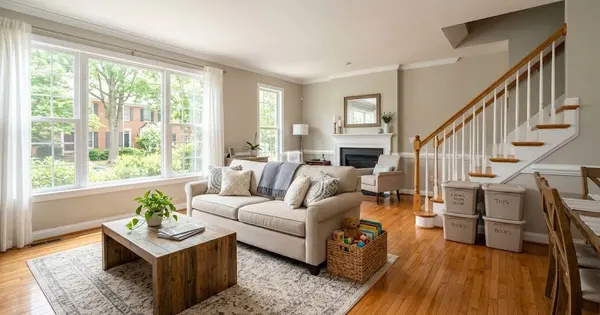
Staging has become essential in DC's 2026 market. With inventory up significantly year-over-year, professionally staged homes don't just look better—they sell faster and often for more money. Local staging companies report being "jam-packed" with bookings as sellers recognize the competitive advantage.
Why Staging Matters More Than Ever
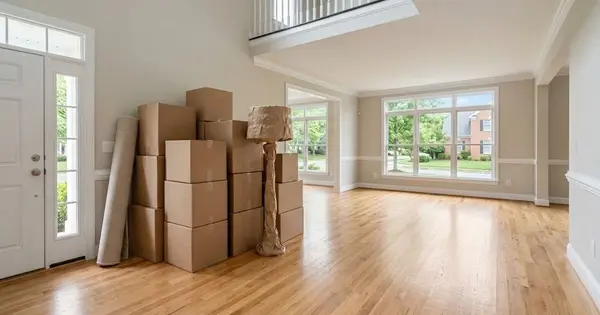
Many DC listings in 2026 are vacant—a sign that families have relocated due to federal workforce changes. Empty rooms photograph poorly and make it difficult for buyers to envision themselves living there. Professional staging solves this problem while highlighting your home's best features.
✓ Staging Pros
- Homes sell 73% faster on average
- Listings with staging get more showings
- Buyers can visualize living in the space
- Photos stand out in online searches
- May increase final sale price 1–5%
✗ Staging Cons
- Costs $2,500–$6,000+ for full home
- Monthly rental fees if sale extends
- Scheduling coordination required
- May not match buyer's taste
- Less impactful in hot seller's markets
Virtual Staging: A Budget Alternative
If full staging isn't in your budget, virtual staging offers a cost-effective alternative. Professional virtual staging costs $100–$300 per room and can make empty spaces appear furnished in listing photos. However, be aware that virtually staged photos must be clearly labeled, and buyers will see empty rooms during showings.
Photography That Sells
In a market where 95%+ of buyers begin their search online, professional photography isn't optional—it's essential. Listings with professional photos receive 403% more views than those without. Your agent should include professional photography as part of their service; if they don't, reconsider your choice of agent.
📷 Professional Photography Must-Haves
Marketing for Maximum Exposure
Even perfectly priced, beautifully staged homes won't sell fast without aggressive marketing. In DC's competitive landscape, your listing needs to reach qualified buyers quickly and make a compelling first impression.
The Marketing Mix That Works
Effective DC home marketing combines multiple channels to reach different buyer segments:
| Channel | Reach | Impact on Speed |
|---|---|---|
| MLS (Bright MLS) | Syndicates to Zillow, Realtor.com, Redfin, 100+ sites | Essential |
| Social media advertising | Targeted Facebook/Instagram ads to likely buyers | High |
| Agent network outreach | Direct contact with buyer's agents in the area | High |
| Open houses | Unrepresented buyers, neighborhood browsers | Medium |
| Email marketing | Agent's database of active buyers | Medium |
| Coming Soon campaigns | Builds anticipation before official listing | Medium–High |
Writing a Listing Description That Converts
Your listing description should highlight what makes your home unique while naturally incorporating searchable terms. DC buyers search for specific features—make sure your listing mentions:
- Proximity to Metro stations (walkable distance matters)
- Parking situation (garage, off-street, permit zone)
- Outdoor space (yard, patio, rooftop access)
- Recent updates and renovations
- Natural light and room dimensions
- Neighborhood amenities (restaurants, parks, schools)
Sell Faster, Keep More
Our 1.5% listing fee means you save thousands compared to traditional 2.5–3% commissions—without sacrificing marketing quality, negotiation expertise, or service.
Learn About Our 1.5% Listing Fee →Timing Your Sale for Speed
When you list matters. DC's housing market follows seasonal patterns, and understanding these rhythms can shave weeks off your time on market.
📅 Best & Worst Months to Sell in DC
Data based on DC market averages. Individual results vary by neighborhood and property type.
Spring: The Prime Selling Window
April through June represents the best window for DC sellers seeking speed. Families want to close before summer so they can move before the school year begins. Tax refund money is often available for down payments. Cherry blossom season draws positive attention to the region.
Winter: Slower but Serious Buyers
While late December through January sees the longest average days on market, there's a silver lining: buyers shopping during holidays tend to be highly motivated. If you must sell during winter months, price competitively and recognize you'll face less competition from other sellers.
Fast-Sale Options: Traditional vs. Cash vs. iBuyers
If speed is your absolute priority, you have options beyond traditional listing. Each approach involves different tradeoffs between sale speed, convenience, and final proceeds.
| Option | Timeline | Expected Proceeds | Effort Required | Best For |
|---|---|---|---|---|
| Traditional listing | 60–90 days | 100% of market value | High | Maximum proceeds |
| Aggressive pricing | 21–45 days | 95–100% of market | High | Speed + value balance |
| iBuyer (Opendoor, etc.) | 14–30 days | 70–85% of market | Low | Convenience, certainty |
| Cash home buyer | 7–21 days | 50–70% of market | Very Low | Maximum speed, as-is |
When Cash Offers Make Sense
Cash buyers offer speed and certainty at the cost of net proceeds. This tradeoff makes sense in specific situations:
- Facing foreclosure with a tight deadline
- Inherited property you don't want to manage
- Significant repairs needed that you can't afford
- Divorce requiring quick asset division
- Job relocation with an immediate start date
- Property with title issues, liens, or TOPA complications
If you're exploring whether a cash offer option makes sense for your situation, it's worth getting a quote to compare against traditional listing proceeds.
Neighborhood-Specific Strategies
DC's eight wards contain dramatically different micro-markets. What works in Georgetown won't necessarily work in Anacostia, and vice versa. Understanding your specific neighborhood's dynamics is crucial for a fast sale.
| Area | Median Price | Market Temp | Fast-Sale Strategy |
|---|---|---|---|
| Georgetown / Cleveland Park | $1.2M+ | Cooling | Price competitively; inventory up 20% |
| Capitol Hill / Navy Yard | $695K | Moderate | Highlight walkability, Metro access |
| Columbia Heights / Petworth | $785K | Active | Urban revival appeal; modern updates sell |
| Woodley Park / Adams Morgan | $725K | Moderate | Emphasize historic charm, green space |
| Congress Heights / Anacostia | $405–485K | Growing | Price for value buyers; emphasize potential |
| H Street / Southwest Waterfront | $650–750K | Mixed | Condo market soft; highlight lifestyle amenities |
Understanding DC Closing Costs
Washington, DC has some of the highest closing costs in the nation. Understanding these expenses helps you price appropriately and negotiate effectively—both of which speed up sales.
| Cost Category | Typical Amount | Who Pays |
|---|---|---|
| Transfer tax | 1.1% (under $400K) / 1.45% (over $400K) | Seller (typically) |
| Recordation tax | 1.1% (under $400K) / 1.45% (over $400K) | Buyer (typically) |
| Listing agent commission | 2.5–3% (or 1.5% with savings-focused agents) | Seller |
| Buyer's agent commission | 2.5–3% (negotiable) | Often seller-offered |
| Title insurance (owner's policy) | 0.5–1% of sale price | Negotiable |
| Settlement/escrow fees | $500–$1,500 | Split or negotiable |
| Attorney fees | $500–$1,000+ | Each party |
| Prorated property taxes | Varies by closing date | Seller |
On a $700,000 DC home sale, sellers typically pay 6–10% in total closing costs—potentially $42,000–$70,000. Reducing your listing commission to 1.5% can save $7,000–$10,500, money that can be used to offer buyer incentives or improve your net proceeds.
Want to see your specific numbers? Use a seller net sheet calculator to estimate your proceeds based on your home's value and sale scenario.
Common Mistakes That Slow DC Home Sales
Experienced agents see the same mistakes derail DC home sales repeatedly. Avoiding these pitfalls can shave weeks off your time on market:
🚫 Top Mistakes DC Sellers Make
1. Overpricing "to leave room for negotiation"
DC buyers don't negotiate from overpriced listings—they skip them entirely. Homes priced 10% above market often sell for less than those priced correctly from day one.
2. Neglecting professional photography
iPhone photos signal "not serious" to buyers. Professional photos generate 118% more views and are non-negotiable in today's market.
3. Being inflexible on showings
Every declined showing is a potential lost buyer. Make your home available for showings on short notice, including evenings and weekends.
4. Ignoring pet odors and personal smells
You may be nose-blind to your home's scent. Buyers aren't. Professional cleaning and deodorizing before listing is essential.
5. Choosing an agent based on highest price estimate
Some agents inflate price estimates to win listings, then push for reductions later. Choose based on track record and strategy, not flattery.
6. Rejecting early offers
First-week offers are often your best offers. Buyers are most motivated early in a listing's life cycle.
Step-by-Step Fast-Sale Timeline
Following a structured timeline keeps your sale on track. Here's a realistic schedule for selling a DC home in 60 days or less:
WEEKS 1–2: PREPARATION
Interview agents, declutter, schedule repairs
Select your listing agent, order pre-listing inspection, begin decluttering and deep cleaning. Get contractor quotes for any necessary repairs.
WEEKS 2–3: STAGING & PHOTOGRAPHY
Complete prep, stage, photograph
Finish repairs and touch-ups. Staging company installs furniture. Professional photographer shoots listing photos and video tour.
WEEK 3–4: LAUNCH
Go live on MLS, begin showings
"Coming soon" marketing builds anticipation. Listing goes active on MLS. First weekend open house and broker tour. Showings begin.
WEEKS 4–6: ACTIVE MARKETING
Showings, feedback, offer review
Continue showings and open houses. Review showing feedback with agent. Evaluate incoming offers. Negotiate and accept best offer.
WEEKS 6–8: UNDER CONTRACT
Inspections, appraisal, buyer due diligence
Buyer conducts home inspection. Negotiate any repair requests. Appraisal completed. Title search and mortgage processing underway.
WEEK 8–9: CLOSING
Final walkthrough, settlement, keys transferred
Final walkthrough completed. Attend closing with settlement attorney. Sign documents, receive proceeds, hand over keys.
Ready to Start Your Fast Sale?
Get a professional evaluation of your DC home's market value and a customized selling strategy.
Get Your Free Home Evaluation →Alternatives If Your Home Isn't Selling
If you've been on market for 30+ days without offers, it's time to reassess. Here are your options:
1. Price Reduction
The most common—and often most effective—adjustment. A meaningful price reduction (5–10%, not 1–2%) resets buyer interest and generates new showing activity. Small price drops often go unnoticed.
2. Offer Buyer Incentives
Instead of lowering price, consider offering closing cost credits (common), mortgage rate buydowns, or home warranty coverage. These can make your listing more attractive without reducing your stated sale price.
3. Refresh Your Marketing
New photos, updated listing description, or re-staging can give your listing a fresh appearance online. This is especially effective if seasonal changes affect your home's exterior appearance.
4. Consider Cash Buyers
If traditional buyers aren't biting, exploring a cash offer may provide a faster path forward—especially if your home needs updates or has been sitting on market.
5. Rent Instead of Sell
If market conditions are unfavorable, renting your property temporarily preserves your option to sell later when conditions improve. DC's rental market remains strong, particularly for well-located single-family homes.
Frequently Asked Questions
How long does it take to sell a house in Washington, DC?
The average DC home takes 62–70 days to sell once listed, though this varies significantly by neighborhood and price point. Well-prepared, competitively priced homes in desirable areas can go pending in 21–35 days. Add another 30–45 days for closing after accepting an offer.
What is the best month to sell a house in DC?
April typically sees the fastest sales, with homes spending an average of 50 days on market—about 23 days faster than January. The spring selling season (April–June) generally offers the best combination of buyer activity and favorable showing conditions.
How much are closing costs for sellers in DC?
DC sellers typically pay 6–10% of the sale price in total closing costs, including agent commissions (2.5–6%), transfer tax (1.1–1.45%), title fees, and other expenses. On a $700,000 home, expect $42,000–$70,000 in total costs. Working with a lower-commission agent can reduce this significantly.
Can I sell my DC house as-is?
Yes, selling as-is is legal in DC with proper disclosure. You'll likely receive lower offers—typically 15–30% below market value from investors and cash buyers. However, you'll avoid repair costs and the hassle of renovation. This approach works best for homes needing significant updates or when speed is the top priority.
What is DC's transfer tax, and who pays it?
DC charges both a transfer tax and a recordation tax, each at 1.1% for properties under $400,000 and 1.45% for properties over $400,000. By custom, sellers typically pay the transfer tax while buyers pay the recordation tax, though this is negotiable in the contract.
Should I stage my DC home before selling?
Professional staging is highly recommended in the current DC market. With inventory up 40% year-over-year, staged homes stand out online and sell significantly faster. This is especially important for vacant properties, which photograph poorly and make it difficult for buyers to visualize living there.
What's the fastest way to sell my house in DC?
The fastest option is selling to a cash home buyer, which can close in 7–21 days but typically yields 50–70% of market value. For a balance of speed and value, price your home 3–5% below market value with a top agent—this approach often generates multiple offers within 2–3 weeks while achieving close to full market value.
How do federal workforce changes affect the DC housing market?
Federal workforce reductions have increased inventory and made buyers more cautious in 2026. Properties sit on market longer (up 10 days year-over-year), and the condo market has softened particularly. However, detached homes and properties in desirable neighborhoods remain competitive. Sellers should factor this uncertainty into pricing and timeline expectations.
What upgrades provide the best ROI for DC sellers?
The highest-ROI improvements for DC sellers are professional cleaning, fresh neutral paint, professional staging, and curb appeal enhancements—each can return 100–200% of the investment. Major renovations like full kitchen remodels typically return only 50–75% of cost and may not be worthwhile if your goal is a quick sale.
How do I choose the best real estate agent in Washington, DC?
Look for agents with a proven track record in your specific neighborhood, not just DC generally. Key criteria include recent sales volume, average days on market for their listings, list-to-sale price ratio, marketing approach, and communication style. Ask for references from recent sellers. Consider commission structure—lower listing fees (like 1.5% full-service options) can save thousands without sacrificing service quality. Jamil Brothers Realty Group, for example, has helped over 800 buyers and sellers across the DC metro area with extensive local market knowledge.
Is 2026 a good time to sell in Washington, DC?
It depends on your property type and urgency. Detached homes and properties in resilient neighborhoods (like close-in Virginia suburbs and established DC neighborhoods) remain competitive. However, condo sellers and those in areas heavily affected by federal employment may face a softer market. If you have flexibility, spring 2026 timing could help maximize sale speed and price.
Glossary of DC Real Estate Terms
Bright MLS
The regional Multiple Listing Service used by DC, Maryland, and Virginia agents to share property listings. Listings syndicate from here to Zillow, Realtor.com, and other consumer sites.
CMA (Comparative Market Analysis)
A detailed report comparing your property to recently sold similar homes to determine appropriate pricing. Typically prepared by your listing agent.
Days on Market (DOM)
The number of days from when a property is listed until it goes under contract. A key metric for tracking how quickly homes sell in your area.
iBuyer
Companies like Opendoor or Offerpad that make instant cash offers on homes using algorithmic pricing. Typically offer 70–85% of market value in exchange for speed and convenience.
Recordation Tax
A DC tax charged when deeds and mortgages are recorded. Rate is 1.1% for properties under $400K and 1.45% for higher-value properties. Typically paid by the buyer.
Settlement Attorney
DC requires an attorney to be present at closing. The settlement attorney reviews documents, calculates final figures, and ensures proper transfer of ownership.
TOPA (Tenant Opportunity to Purchase Act)
DC law giving tenants the right of first refusal when a rental property is sold. Sellers must notify tenants and allow them the opportunity to match any purchase offer.
Transfer Tax
A DC tax imposed when property ownership changes hands. Rate is 1.1% for properties under $400K and 1.45% for higher-value properties. Typically paid by the seller.
Next Steps: Selling Your DC Home Fast
Selling a house fast in Washington, DC in 2026 requires strategic thinking, not shortcuts. Price your home based on data, not emotion. Invest in presentation through staging and professional photography. Market aggressively across multiple channels. And partner with an agent who knows your specific neighborhood inside and out.
The sellers who struggle are those who overprice, under-prepare, and wait too long to adjust. The sellers who succeed recognize that in a market with rising inventory and more cautious buyers, preparation and pricing discipline are what separate fast sales from stale listings.
If you're ready to explore your options, start by understanding what your home is actually worth in today's market—and what you'll net after costs. From there, you can make an informed decision about timing, pricing, and strategy.
Ready to Sell Your DC Home?
Get started with a free home valuation and seller net sheet to understand your options.
Or explore homes for sale in DC if you're also buying | Need a buyer strategy for your next home?
Categories
- All Blogs (1148)
- Aldie (3)
- Ashburn (6)
- Buyer Guide (8)
- Buying a home (2)
- Buying Strategies (28)
- festivals (1)
- General Blog (66)
- Leesburg (5)
- Market Intelligence (29)
- Market Updates (8)
- Notable Properties For Sale (29)
- Real Estate Tips, News, and More (376)
- Seller Guide (2)
- Seller Guides (60)
- Selling Your Home (459)
- Sterling (6)
- Top Realtors in Northern Virginia (58)
Recent Posts

Message Sent!
Thank you for reaching out. Arslan & Saad have received your details and will be in touch shortly.
Need immediate assistance? Call or text 703-782-4830.