Virginia Run
Centreville's Premier Planned Community — Pools, Trails & Top FCPS Schools
Community Insider Guide
Living in Virginia Run: What Makes This Community Stand Out
Virginia Run doesn't just look good on paper — it delivers. One of Centreville's most thoughtfully planned residential communities, Virginia Run was developed between the late 1980s and mid-1990s with something that's genuinely rare in Northern Virginia: a strong community identity baked in from day one. Wide, tree-lined streets, a connected trail system that weaves through the entire neighborhood, and an HOA that actually manages its assets well — this is a community that holds its value because residents invest in it.
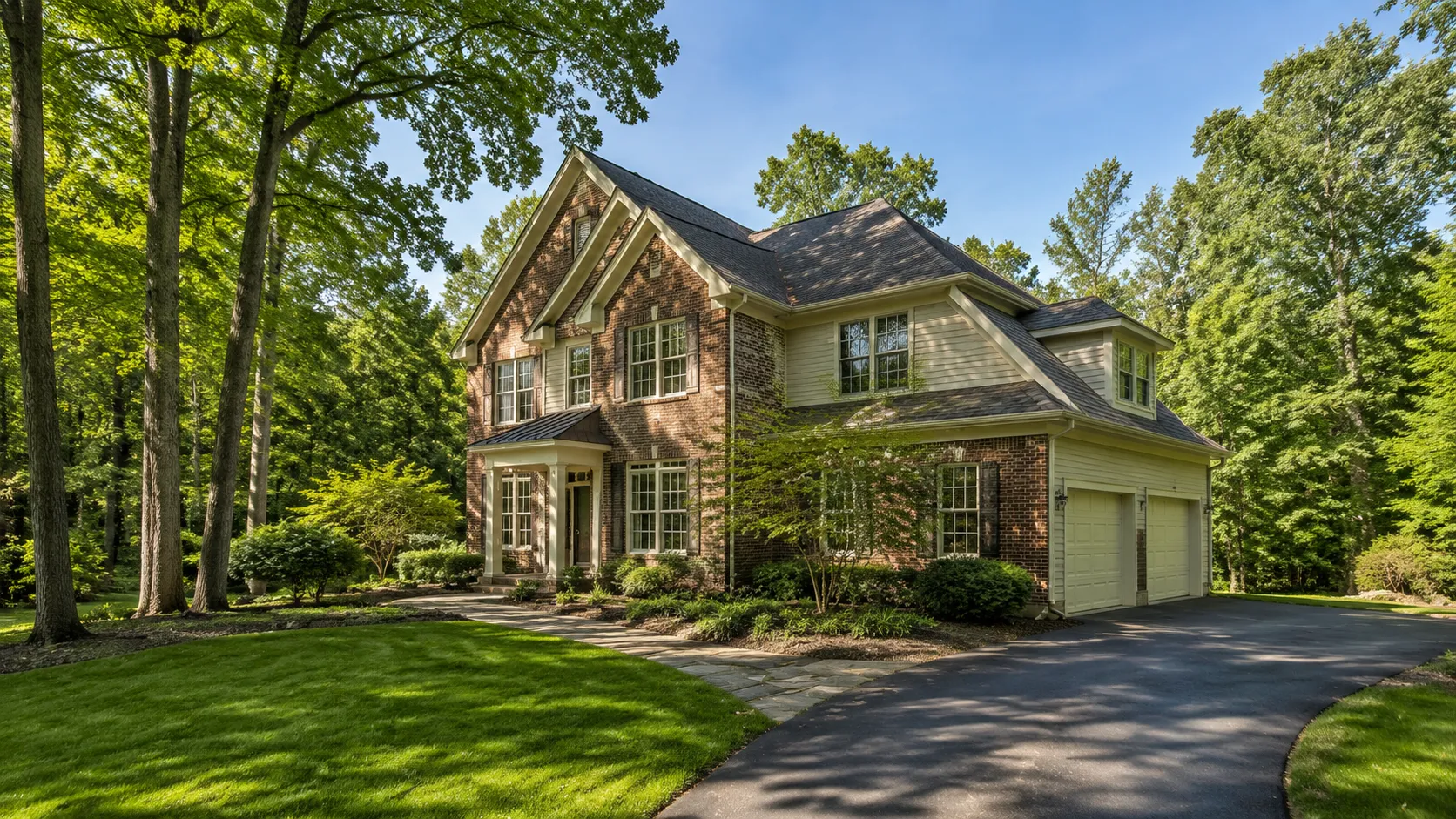
The housing stock here runs from classic colonial and craftsman-style single-family homes to well-maintained townhomes — most with attached garages, generous lot sizes by Northern Virginia standards, and mature landscaping that gives the streetscape a settled, established feel. Buyers who tour Virginia Run consistently comment on how different it feels from newer, denser developments nearby.
Location-wise, Virginia Run sits in a genuine sweet spot: quick access to I-66 and Route 29 puts Tysons Corner within 20–25 minutes and DC within 40–50 minutes under normal traffic. The Fair Lakes and Fairfax Towne Center corridors are just minutes away for everyday retail, dining, and errands. For families, the Fairfax County Public Schools pyramid — anchored by Centreville High School — remains a consistent draw.
Whether you're a first-time buyer sizing up your entry point into Fairfax County or an established homeowner thinking about what your Virginia Run home is worth today, this guide covers everything you need: HOA details, school data, commute realities, touring gotchas, and what's actually moving in the market right now.
Get your personalized Virginia Run buyer strategy →10 Properties for Sale In Virginia Run
Subdivision Details
Virginia Run HOA & Amenities Breakdown
Virginia Run is governed by the Virginia Run Community Association (VRCA), one of Centreville's more active HOAs. Dues fund a robust amenity package — two pools, a clubhouse, miles of trails, and year-round programming — making the fee one of the more tangible values in the Fairfax County subdivision landscape.
| Amenity / Feature | Included | Details |
|---|---|---|
| Outdoor Pools Seasonal: Memorial Day – Labor Day | ✓ Yes | 2 pools; swim team participation available; lifeguards on duty |
| Tennis & Sport Courts Hard surface courts | ✓ Yes | Multiple tennis courts; basketball courts throughout community |
| Clubhouse / Community Center Rentable for private events | ✓ Yes | Full clubhouse; available for resident rental; used for HOA events & programs |
| Walking & Biking Trails Connected internal trail network | ✓ Yes | 5+ miles of paved and natural-surface trails winding through the community |
| Tot Lots / Playgrounds Multiple locations within community | ✓ Yes | Several tot lots distributed throughout the neighborhood |
| Fitness Center / Gym On-site indoor facility | — No | No dedicated fitness center; nearby Fair Lakes YMCA and LA Fitness are popular alternatives |
| Gated / Secured Entry Perimeter access control | — No | Open community; no gatehouse or controlled entry |
| Common Area Maintenance Grounds, landscaping, signage | ✓ Yes | HOA maintains all common green spaces, entrances, and community signage |
| Snow Removal Private roads & common areas only | ~ Partial | HOA clears common areas and some internal roads; VDOT handles public streets |
| Community Events & Programming Seasonal & annual activities | ✓ Yes | Active events calendar: summer concerts, holiday events, pool parties, community races |
| Exterior / Architectural Control Modifications require approval | ✓ Yes | All exterior changes (decks, fences, paint, additions) require ARC approval — plan accordingly |
What Your Dues Pay For
Two Community Pools
Seasonal outdoor pools open Memorial Day through Labor Day. Lifeguards staffed; swim team (VRST) available for youth residents.
Clubhouse & Event Venue
Fully-equipped community clubhouse for HOA meetings, events, and private resident rentals. A practical asset most communities charge extra for.
5+ Miles of Trails
Paved and natural paths weave throughout the community, connecting to Elklick Preserve and Bull Run Regional Park trail access points nearby.
Tennis & Basketball Courts
Multiple hard-surface tennis courts and basketball courts distributed across the community. No reservation system — open use for residents.
Tot Lots & Open Green Space
Several playgrounds and tot lots are spread throughout Virginia Run. Common green areas are well-maintained by VRCA year-round.
Active Community Programming
VRCA runs an active events calendar: summer concerts, 5K races, holiday socials, and pool parties. Strong neighbor engagement sets Virginia Run apart.
HOA Fee Covers
Not Covered by HOA
Compare Communities
Nearby Communities Worth Comparing
If Virginia Run is on your list, these Centreville and Fairfax County communities are worth a side-by-side look — each with a distinct personality, price point, and amenity profile.
Sully Station
Virginia Run's closest neighbor and most direct competitor. Sully Station shares the same school pyramid, similar build era, and an active HOA with pools and trails. Generally comparable on price, with slightly higher townhome density.
View Guide
Sully Station II
The younger sister community to Sully Station, built in the mid-to-late 1990s with slightly larger floor plans and a similarly active HOA. Shares the same school pyramid and general location feel as Virginia Run.
View Guide
Little Rocky Run
One of the larger planned communities in Centreville with multiple pools, extensive amenities, and a wide mix of home types and sizes. Appeals to buyers seeking variety within a single HOA-managed community.
View Guide
Greenbriar
A well-established Chantilly community with established tree canopy, solid HOA amenities, and easy access to Route 50 and Dulles corridor employers. A strong alternative for buyers open to the Chantilly school pyramid.
View Guide
Fair Lakes
A mixed-use planned community anchored by the Fair Lakes Shopping Center. Offers walkable retail and restaurant access that Virginia Run lacks, with a slightly more urban feel. Popular with commuters targeting I-66 and Route 50.
View Guide
South Riding
A large master-planned community just across the Loudoun County line, with robust amenities, strong HOA programming, and newer construction mixed with resales. Worth comparing if buyers are open to Loudoun County taxes and schools.
View GuideBuyer Intelligence
Touring Virginia Run: Four Things Buyers Often Miss
Virginia Run shows beautifully on a Sunday afternoon tour. But there are four community-specific factors that don't show up in the listing photos — and every serious buyer should know about them before making an offer.
Polybutylene Plumbing in 1988–1995 Builds
A significant portion of Virginia Run's original housing stock was built during the era when polybutylene (poly-b) pipes were standard. These grey plastic pipes — used widely in Northern Virginia from the mid-1970s through the mid-1990s — are prone to micro-fractures and eventual failure, especially under chlorinated water pressure. Replacement typically runs $4,000–$10,000+ depending on home size and access. Many Virginia Run homes have already been repiped, but not all. This is a non-negotiable inspection item on any pre-1996 home here.
Ask Your Inspector
"Has the original plumbing been replaced, and can you identify the pipe material in the utility room and crawl space?"
I-66 Highway Noise on the Eastern Edge
Virginia Run borders I-66 along its eastern perimeter. Homes on or near Centreville Road and the streets closest to the highway corridor can experience meaningful traffic noise during peak commute hours and overnight. The community's mature tree buffer and sound walls help, but they don't eliminate it. A home that feels quiet at 11am on a Saturday may feel noticeably different at 7am on a Tuesday. Always tour twice — once on a weekday morning and once in the evening — before committing to a home near the I-66 side of the community.
Tour Tip
"Check the home's distance from Centreville Road and I-66 on a satellite map. Visit during peak commute hours to assess actual noise levels."
Strict Architectural Review — Plan Ahead
Virginia Run's Community Association operates an active Architectural Review Committee (ARC). Any exterior modification — decks, fences, sheds, additions, paint colors, landscaping changes, even certain window replacements — requires prior written ARC approval before work begins. The approval process can take 30–60 days, and unapproved changes can result in mandatory reversal at the homeowner's expense. Buyers planning post-purchase renovations or customizations should request and review the VRCA Design Standards document during their due diligence period — before closing, not after.
Due Diligence Step
"Request the full VRCA Design Standards guide and any open or unresolved ARC violations on the property before the inspection contingency expires."
Route 29 Cut-Through Traffic on Community Streets
Virginia Run's main entrance and several interior connector streets tie directly into Route 29 (Lee Highway), one of Northern Virginia's busiest arterial roads. During peak commute windows — roughly 6:30–9am and 4:30–7pm — GPS apps routinely route drivers through Virginia Run as an I-66 bypass, creating cut-through traffic patterns on streets that appear quiet on a weekend tour. Homes near the community entrance and primary connector roads are most affected. If low traffic volume is a priority, target streets deeper inside the community, away from Route 29 access points.
Tour Tip
"Drive the street during a weekday rush hour, not just on weekends. Note the home's proximity to the Route 29 entrance on the community map."
Jamil Brothers Touring Tip
Tour Virginia Run twice before making an offer. Once on a weekday morning during peak commute hours to assess I-66 and Route 29 noise and traffic — and once on a weekend to experience the community at its best. The difference is meaningful and will inform how you prioritize street location within the community.
Education
Virginia Run School Pyramid (FCPS)
Virginia Run falls within Fairfax County Public Schools — one of the largest and most highly regarded school systems in the country. The community's typical pyramid runs from Centre Ridge Elementary through Liberty Middle to Centreville High School. Verify your specific address boundary at fcps.edu before purchase.
Elementary School
Centre Ridge Elementary
Grades PK – 6Middle School
Liberty Middle School
Grades 7 – 8High School
Centreville High School
Grades 9 – 12Additional Options
Private & Alternative
All GradesCentre Ridge Elementary School
ElementaryCentre Ridge serves the core of Virginia Run and nearby communities. The school has an active PTA and participates in FCPS's Advanced Academic Program (AAP). Confirm your address assignment directly with FCPS, as boundary changes do occur.
Liberty Middle School
Middle SchoolLiberty Middle feeds directly into Centreville High and serves several Centreville-area subdivisions. FCPS offers a robust middle-school course ladder including Algebra I access for qualifying students.
Centreville High School
High SchoolCentreville High is a large, well-resourced FCPS comprehensive high school with a full AP course catalog and strong extracurricular offerings. The Thomas Jefferson High School for Science & Technology (TJ) — one of the top-ranked STEM magnet programs nationally — is available to eligible FCPS students through a competitive admissions process.
Private & Alternative Schools Nearby
For Virginia Run Homeowners
Thinking About Selling in Virginia Run?
Virginia Run's consistent demand, strong HOA reputation, and location near I-66 make it one of Centreville's most reliably liquid markets. If you're considering a sale — whether this year or in the next few — here's what positions your home to attract strong offers and net the most from your equity.
What Virginia Run Buyers Prioritize
Understanding what today's buyers pay a premium for helps you focus your prep dollars on the right improvements.
How We Position Virginia Run Listings
Virginia Run homes compete on condition, location within the community, and how well the listing communicates the lifestyle value.
Keep More of Your Virginia Run Equity with Our Flexible Commission Program
Our Flexible Commission Program is designed for Virginia Run sellers who want full-service representation — professional photography, expert pricing, active negotiation, and maximum market exposure — without paying a traditional commission structure. More of your equity stays in your pocket at closing.
Questions about the process? Talk to a listing advisor →
Frequently Asked Questions
Frequently Asked Questions About Virginia Run
Answers to the questions buyers, sellers, and neighbors ask us most about Virginia Run in Centreville, VA.
Virginia Run HOA fees are estimated in the range of $90–$120 per month, covering access to pools, tennis and basketball courts, the community clubhouse, miles of trails, tot lots, and common area maintenance. This is an estimated range — actual dues and any special assessments should be confirmed directly with the Virginia Run Community Association (VRCA) or your agent during due diligence. Always request the full HOA disclosure package, budget, and meeting minutes before closing.
Virginia Run is served by Fairfax County Public Schools (FCPS). The typical school pyramid is Centre Ridge Elementary (Pre-K–6), Liberty Middle School (Grades 7–8), and Centreville High School (Grades 9–12). School boundary assignments are subject to change — always verify your specific address at fcps.edu before purchase. FCPS also offers the competitive Thomas Jefferson High School for Science & Technology (TJHSST) magnet program to eligible students across the county.
Virginia Run offers a mix of single-family detached homes and townhomes, primarily built between the late 1980s and mid-1990s. Single-family homes typically range from approximately 1,800 to over 4,000 square feet, featuring colonial and craftsman-style architecture with attached garages and mature landscaping. Townhomes generally offer 1,400–2,200 square feet. Most homes include finished or partially finished basements — a popular feature for buyers seeking extra living space. Price ranges vary by home type, condition, and street location within the community. Browse current Virginia Run listings here.
Virginia Run is approximately 25–30 miles west of Washington DC. Driving via I-66 East typically takes 35–50 minutes under normal conditions, and 50–70 minutes during peak rush hours. For Metro commuters, the Vienna/Fairfax–GMU station (Orange Line) is accessible via bus from Centreville. Tysons Corner is typically 20–25 minutes by car. Commute times vary significantly by departure time and direction — we recommend testing your specific route during your touring window.
Virginia Run's HOA — the Virginia Run Community Association (VRCA) — maintains two outdoor pools (open seasonally with lifeguards and a community swim team), multiple tennis and basketball courts, a clubhouse available for resident events and private rental, 5+ miles of interconnected walking and biking trails, several tot lots and playgrounds, and well-maintained common green spaces. The VRCA also runs an active community events calendar including summer concerts, holiday socials, and a community 5K race. Virginia Run does not have a fitness center or gated entry.
Many Virginia Run homes — particularly those built between 1988 and 1995 — were originally plumbed with polybutylene (poly-b) pipes, a grey plastic material that was widely used in Northern Virginia during that era. Poly-b pipes are known to degrade over time and can fail unexpectedly, especially under chlorinated water pressure. Replacement typically costs $4,000–$10,000+ depending on home size and access. Many Virginia Run homes have already been repiped, but this should be specifically confirmed during your home inspection. Ask your inspector to identify pipe materials in the utility room and crawl space — do not assume.
Virginia Run's Architectural Review Committee (ARC) requires prior written approval for virtually all exterior modifications. This includes decks, patios, fences, sheds, additions, paint color changes, landscaping changes, driveways, and in some cases window replacements. The review process can take 30–60 days, and work begun without approval may be required to be reversed at the homeowner's expense. Buyers planning post-purchase renovations should request the VRCA Design Standards document during due diligence — before the inspection contingency expires — to understand exactly what is and isn't permitted.
Virginia Run is a fully built-out community with no new construction lots remaining. All homes are resales, predominantly from the late 1980s through mid-1990s. Buyers specifically seeking new construction in the Centreville area may want to explore communities with newer sections or consider nearby Loudoun County options. That said, Virginia Run's mature landscaping, established community, and strong HOA are frequently cited as advantages over newer developments in the area.
Home prices in Virginia Run vary by type, condition, and street location within the community. Townhomes generally fall in a lower price tier, while single-family detached homes — particularly larger colonials with updated interiors and finished basements — can reach significantly higher values. Homes on quieter, interior streets away from I-66 tend to command a premium over similar homes on perimeter roads. These are general observations based on typical market patterns; for a precise, current valuation of a specific home, request a professional home evaluation here.
The drive from Virginia Run to Tysons Corner typically takes 20–30 minutes via I-66 East and the Dulles Toll Road (Route 267), depending on traffic. During peak AM hours (7–9am), expect 30–45 minutes or more. Silver Line Metro service at Tysons is accessible from the Vienna Metro station, which is reachable via the CUE bus or by driving and parking. For those commuting to Reston or the Dulles corridor, Route 29 to Route 50 or the Dulles Toll Road are common alternatives to I-66.
Virginia Run is consistently well-regarded among Centreville buyers for several concrete reasons: a strong, active HOA with genuine amenities; mature tree canopy and an established community feel; a connected trail system that younger, denser communities don't have; and access to top-rated FCPS schools. Its proximity to I-66, Route 29, and the Fair Lakes shopping corridor adds everyday convenience. As with any purchase, buyers should weigh current market conditions, specific street location within the community, and their own needs. Talk to our team about whether Virginia Run fits your criteria.
The word "best" is subjective, but you can compare agents by measurable results, experience, and client outcomes. The Jamil Brothers Realty Group are NVAR Lifetime Top Producers with over $500M in closed sales volume across Northern Virginia, including consistent activity in the Centreville and Fairfax County market.
When evaluating any agent for Virginia Run, look at: their responsiveness and communication style; their specific experience pricing and negotiating homes in Centreville subdivisions; the quality of their marketing plan (professional photography, digital exposure, pre-market outreach); and their knowledge of Virginia Run's micro-market — street-by-street pricing differences, HOA nuances, and the poly-b pipe issue that affects many homes here.
If you'd like, we can share a tailored pricing and marketing plan for your home in Virginia Run. Start a listing conversation here →
Seller Intelligence
Selling in Virginia Run: Pricing, Prep & What Buyers Pay Extra For
Virginia Run is a sought-after address in Centreville's resale market. Buyers in this community are educated, often comparing multiple subdivisions, and they scrutinize condition carefully. Here's what positions your home to sell at the top of its range — and what it costs to close as a Virginia seller.
Flexible Commission Program:
Keep More of Your Virginia Run Equity
Full-service listing representation — professional photography, expert pricing, active negotiation, and maximum market exposure — with a commission structure built for today's Virginia Run seller.
Commission Illustration
Traditional Commission
Higher rate
Standard market commission structure
Jamil Brothers Flexible Program
Reduced rate
Full service · more equity stays with you
Exact savings depend on sale price and program selection. Run your net sheet for a personalized estimate.
Prep, Inspection & Buyer Priorities
High-ROI Prep Items
Common Inspection Flags (1988–1995 Builds)
What Buyers Pay Extra For
What It Costs to Sell in Virginia Run
Estimated ranges for common seller closing costs in Fairfax County, Virginia. All figures are general estimates — verify specifics with your agent and settlement attorney. Run your personalized net sheet here.
Agent Commissions
Title & Settlement
Virginia & Fairfax County Taxes
Other Common Seller Costs
What's Moving in Virginia Run Right Now
Qualitative observations based on active agent experience in the Virginia Run and Centreville market. Not a guarantee of future performance.
Townhome Owners Are Upgrading — and They're Shopping Virginia Run First
A consistent pattern in recent Centreville activity: buyers who purchased Virginia Run townhomes five to eight years ago are now move-up shopping for single-family detached homes in the same community. The appeal is clear — they already know the HOA, the schools, and the neighbors. This internal upgrade demand creates competition for well-conditioned single-family inventory even before homes hit the open market. Sellers with detached homes in good condition have an engaged, motivated buyer pool waiting.
Interior Street Location Is Driving Real Price Gaps
Buyers are increasingly aware of the I-66 and Route 29 noise dynamic in Virginia Run — and pricing reflects it. Homes on quieter, interior streets deeper in the community are consistently attracting stronger offers and faster timelines than comparable homes on perimeter roads. This isn't a new pattern, but it's become more pronounced as buyer sophistication has increased. If you're selling a perimeter home, strategic pricing and proactive noise mitigation documentation matters more than ever.
Repiped Homes Are Closing Cleaner and Faster
Homes where sellers have already replaced original polybutylene plumbing — and can produce documentation — are sailing through inspection periods with notably fewer re-negotiation requests. Buyers' agents in this market are now routinely asking about poly-b status before scheduling second showings. For sellers of 1988–1995-era homes who haven't yet repiped, the question of whether to complete the work before listing versus offering a credit is increasingly worth a strategic conversation before going to market.
Finished Basements Are Becoming a Decision-Point, Not a Bonus
In Virginia Run's current buyer pool, a finished basement with a full or half bath has shifted from "nice to have" to a genuine filter criterion for many purchasers — particularly families and remote workers seeking dedicated flex space. Homes without finished lower levels are still selling, but they're facing more price resistance relative to their finished-basement counterparts. Sellers with unfinished basements are seeing buyers use the comparison as a negotiating lever more aggressively than in prior market cycles.
Spring and Early Summer Remain Virginia Run's Peak Listing Window — But Prep Timing Matters
Historically, Virginia Run sees its most competitive buyer activity between mid-March and late June, when Fairfax County families are making school-year transition decisions and inventory is at its most visible. The practical implication: sellers who plan to list in that window should begin prep work — addressing inspection items, completing minor cosmetic updates, and engaging a photographer — no later than late February or early March. Homes that hit the market fully ready in peak season have consistently outperformed late-spring listings that enter the market with lingering condition issues. Starting your conversation with an agent in January or early February gives you the runway to maximize that window.
Want insight specific to your Virginia Run home or search?
Get My Virginia Run PlanDaily Life
Commute & Local Life from Virginia Run
Virginia Run's position near the I-66 / Route 29 interchange gives residents efficient access to major employment corridors — but understanding the nuances of peak-hour traffic and transit options makes all the difference in daily quality of life. Here's what living here actually looks like.
Metro & Transit Access
Orange Line via Vienna/Fairfax–GMU Station
Drive Times from Virginia Run
Estimated; peak hours significantly longer
Grocery & Everyday Retail
Fair Lakes corridor and beyond
Lifestyle & Recreation
Parks, dining, fitness, and entertainment
Orange Line Metro Access from Virginia Run
Virginia Run → Vienna/Fairfax–GMU → Orange Line to DC
Virginia Run does not have direct Metro access — the nearest station is Vienna/Fairfax–GMU (Orange Line), reachable by car in 12–18 minutes or by CUE Bus Route 4 in approximately 25–35 minutes. From Vienna, the Orange Line connects directly to Rosslyn, Farragut West, Metro Center, and beyond. Park-and-ride availability at Vienna fills early on weekday mornings — arriving by 7:30am is recommended to secure a spot.
Free Resources
Buyer & Seller Tools for Virginia Run
Whether you're calculating your monthly payment on a Virginia Run home or figuring out what you'll net at closing, these tools give you fast, actionable numbers — no sign-up required.
Buyer Tools
Research and plan your Virginia Run purchase
Monthly Payment Estimator
Plug in a Virginia Run home price and see your estimated monthly payment including taxes, HOA, and insurance — in under 60 seconds.
Affordability Calculator
Find out how much Virginia Run home your income and savings can support — before you start touring.
Offer Strength Check
Understand how competitive your offer needs to be in Virginia Run's current market — before you write the contract.
Financing & Pre-Approval Guide
Get connected with lender resources and understand the financing options available for Virginia Run's price range before you make an offer.
Seller Tools
Know your numbers before you list in Virginia Run
Seller Net Sheet
See exactly what you'll take home after commissions, Fairfax County taxes, HOA fees, and closing costs — before you decide to list.
Virginia Run Home Valuation
Get a professional, street-level estimate of what your Virginia Run home is worth in today's Centreville market — not an algorithm guess.
Flexible Commission Program
Find out how our Flexible Commission Program can save Virginia Run sellers money at closing without sacrificing service quality or market exposure.
Talk to a Listing Advisor
Get a no-pressure conversation about timing, pricing strategy, and what it costs to sell your Virginia Run home in the current market.
Tools provide estimates only; confirm specifics with a licensed local expert before making financial decisions.
Quick Answers
Quick Answers About Virginia Run
Concrete answers to the most common Virginia Run questions — built for people who want facts fast.
What zip code is Virginia Run in?
Virginia Run is located in ZIP code 20120, which covers Centreville, Virginia in Fairfax County. Homes in the community share this ZIP with neighboring Centreville subdivisions including Sully Station and Little Rocky Run.
When was Virginia Run built?
Virginia Run was developed primarily between the late 1980s and mid-1990s, with the community largely built out by approximately 1995–1996. Most homes date from 1988–1995, giving the neighborhood a mature, established character with large trees and landscaped lots that newer communities in the area lack.
How many homes are in Virginia Run?
Virginia Run contains approximately 1,600+ residential units, a mix of single-family detached homes and townhomes spread across the community's internal street network in Centreville. It is one of the larger HOA-governed subdivisions in western Fairfax County.
Does Virginia Run have a community pool?
Yes. Virginia Run has two outdoor community pools maintained by the Virginia Run Community Association (VRCA). Pools are open seasonally from Memorial Day through Labor Day with lifeguard staffing. A community swim team (VRST) operates out of the pools for youth residents during the summer months.
What is the Virginia Run Community Association?
The Virginia Run Community Association (VRCA) is the HOA governing Virginia Run. It manages the community's pools, trails, clubhouse, courts, common areas, and events calendar. VRCA also operates an Architectural Review Committee (ARC) that must approve exterior modifications before work begins. Estimated monthly dues range from $90–$120; verify current amounts directly with VRCA.
Is Virginia Run walkable?
Virginia Run is walkable within the community — its 5+ miles of internal trails connect most of the neighborhood and link to Elklick Woodland Trail. However, it is car-dependent for most errands. The Fair Lakes shopping corridor (groceries, dining, retail) is a 5–10 minute drive but not walkable from most Virginia Run streets.
What are the quietest streets in Virginia Run?
Streets deeper inside the community — away from the I-66 eastern perimeter and the Route 29 entrance corridors — tend to have the least traffic noise and cut-through volume. Interior cul-de-sacs and loop streets away from the main community entrance are generally the quietest. Buyers prioritizing low traffic should verify specific street location with their agent before offering.
Do Virginia Run homes have polybutylene pipes?
Many Virginia Run homes built between 1988 and 1995 originally had polybutylene (poly-b) plumbing, a grey plastic pipe prone to failure under chlorinated water. Many have since been repiped. Buyers should always confirm pipe material during inspection. Documented repiping is a significant selling point in this community's resale market. Get a buyer checklist here.
How do I get to Vienna Metro from Virginia Run?
The Vienna/Fairfax–GMU Metro station (Orange Line) is the closest station to Virginia Run, approximately 12–18 minutes by car via Route 29 and I-66. CUE Bus Route 4 also connects the Centreville area to Vienna Metro, with a typical ride of 25–35 minutes. Park-and-ride lots at Vienna fill by 7:30am on weekdays.
What grocery stores are closest to Virginia Run?
The Fair Lakes corridor (5–8 minutes from Virginia Run) offers a Wegmans, Giant Food, and Costco — among the best grocery access of any Centreville subdivision. Whole Foods and Trader Joe's in Fairfax are approximately 10–14 minutes away. The density of grocery options near Route 29 and Fair Lakes Parkway is a consistent quality-of-life advantage for Virginia Run residents.
What parks are near Virginia Run?
Elklick Woodland Trail is accessible directly from the community and offers natural-surface hiking. Bull Run Regional Park is approximately 10–12 minutes away and provides picnic areas, swimming, disc golf, and extensive trails. The Virginia Run trail system itself — 5+ miles of paved and natural paths — serves as the primary daily recreation corridor for most residents.
What is the best time of year to buy in Virginia Run?
Virginia Run's busiest listing season runs mid-March through late June, which brings the most inventory but also the most competition. Late summer and fall (August–November) can offer motivated sellers with less buyer competition — sometimes a better negotiating window. Winter listings are rare but often represent sellers with genuine urgency. Talk to our team about timing your search.
Find Your Fit
Is Virginia Run the Right Community for You?
Find Your Best-Fit
Neighborhood in Centreville
Tell us your six priorities — budget, commute, schools, HOA comfort, home type, and must-haves — and we'll match you to the Centreville and Fairfax County community that fits you best. Virginia Run may be the answer, or it may point you somewhere even better.
Start My Neighborhood Match → Prefer texting your criteria? Start here →Your Priorities
No spam. No pressure. Your answers go directly to a local Jamil Brothers advisor — not a national call center. We'll respond within one business day.
Local Expertise
Recent Outcomes in the Fairfax County Market
Results speak louder than promises. Here are anonymized examples of how The Jamil Brothers team has navigated the Centreville and Fairfax County market for buyers and sellers — the strategy, the challenge, and the outcome.
Buyer Win
Single-Family Home Near Fair Lakes Corridor
First-time move-up buyer relocating from a Centreville townhome; needed top-rated FCPS school pyramid and low highway-noise street. Competing against multiple offers in a tight spring inventory window.
Secured interior-street, repiped SFH in target school pyramid. Closed on schedule with no post-inspection re-negotiation.
Seller Result
Colonial-Style Home on Quiet Cul-de-Sac
Long-time Virginia Run homeowner with original poly-b plumbing, a dated kitchen, and an aging roof — the classic 1990s-era condition trifecta that triggers buyer hesitation. Needed a clean close on a timeline.
Listed Friday, multiple offers by Monday. Sold above asking with no inspection contingency concessions. Clean close.
Client Words
Centreville Buyer — Virginia Run Area
"We'd toured Virginia Run on a Saturday morning and loved it. When we came back on a Tuesday evening to drive the streets we were actually considering, our agent had already mapped out the noise exposure from I-66 street by street. We would never have caught that on our own — it changed which street we targeted entirely."
— Centreville buyer, Fairfax County (identifying details omitted)
Closed on an interior-street Virginia Run home. Family still there four years later.