
Why Some Homes in Northern Virginia Are Selling Fast — And Others Are Sitting
Why Some Homes in Northern Virginia Are Selling Fast — And Others Are Sitting
Published February 2026 · Jamil Brothers Realty Group · 703-782-4830
The 2026 spring market is taking shape across Northern Virginia, Maryland, and DC — and a clear pattern is emerging. Some homes are attracting multiple offers within the first weekend. Others are sitting for 40, 50, even 60-plus days with nothing but silence. Same zip codes. Same general price ranges. Wildly different outcomes.
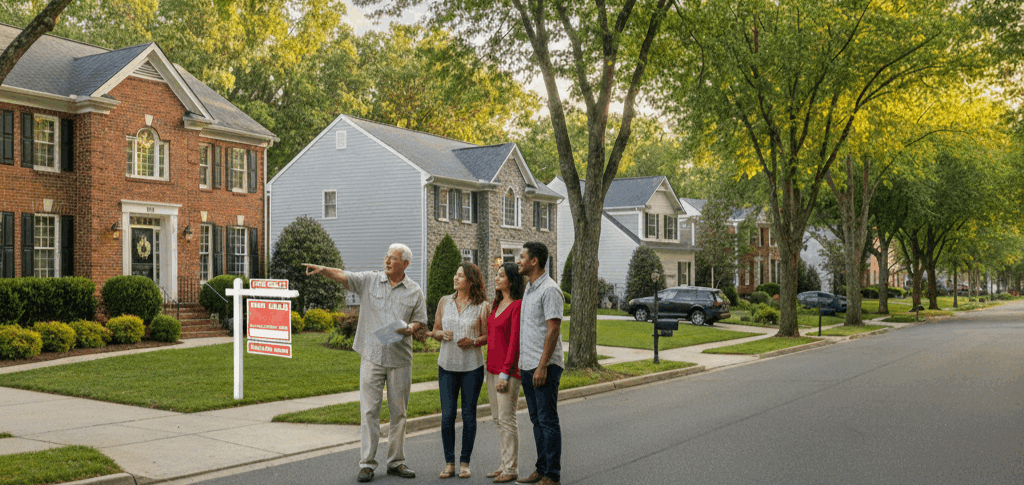
This isn't random. In a market where the average home in Northern Virginia spent 42 days on market in January 2026 — up from roughly 27 days just a year prior — buyers have options, and they're being selective. Nationally, the typical home is now sitting for 64 days before going under contract, the slowest pace in six years. The sellers who are winning right now understand exactly what today's buyer wants. The ones who don't? They're chasing price reductions and wondering what went wrong.
Here's what's actually separating fast-selling homes from stale listings across the DMV in 2026 — and what you can do about it no matter which side of the transaction you're on.
⚡ Quick Facts at a Glance — 2026 DMV Housing Market
- 30-Year Mortgage Rate (Feb 2026): ~6.09% (Freddie Mac) — lowest in 3 years
- Northern Virginia Median Sold Price (Jan 2026): $675,000
- Avg. Days on Market — NoVA (Jan 2026): 42 days (up from ~27 a year ago)
- National Avg. Days on Market: 64 days — slowest pace in 6 years
- NoVA Inventory Forecast (2026): Expected to increase ~35.8% year-over-year
- Single-Family Sales Forecast (NoVA): Up 8.4% in 2026
- Condo Sales (NoVA): Down 22% YoY with declining prices
- National Home Sales Forecast: NAR projects a 14% increase in 2026
📑 Table of Contents
- What's Actually Happening in the 2026 Market
- Why This Split Matters for Buyers and Sellers
- The Economic Forces Behind the Divide
- The 2026 Selling Timeline — What to Expect
- Which DMV Neighborhoods Are Seeing the Fastest Sales
- What Fast-Selling Homes Have in Common
- The Northern Virginia Advantage — And Where It Breaks Down
- Pros and Cons of Listing in a Selective Market
- What to Do Right Now — Whether You're Buying or Selling
- The Pricing Mistakes That Kill Listings
🏡 What's Actually Happening in the 2026 Market
The 2026 housing market across the DMV is not one market — it's several markets running simultaneously. According to NVAR data from January 2026, closed sales in Northern Virginia fell 5.6% year-over-year to 786 units, while the median sold price dipped slightly to $675,000. Meanwhile, days on market climbed to an average of 42 days, a significant jump that reflects how much more deliberate buyers have become.
Nationally, the picture is similar but slower. Redfin reported that the typical U.S. home spent 64 days on market in January 2026 — the longest timeframe in six years. Pending sales dropped 3.3% year-over-year. Yet in the same data, new listings rose for the third consecutive week, meaning more supply is entering a market where demand hasn't kept pace.
The bottom line: sellers are outnumbering buyers by a record gap. That doesn't mean homes aren't selling — it means the wrong homes aren't selling. Well-positioned listings in desirable locations with competitive pricing are still moving quickly. Everything else? It's sitting.
What makes this environment tricky is that it can feel like a seller's market one street over and a buyer's market the next. A detached single-family home in a top-rated Fairfax County school district may still see multiple offers. A condo in the same zip code might languish for months with declining value. Understanding this split is the first step toward making a smart move in 2026.
📊 Why This Split Matters for Buyers and Sellers
For sellers, the takeaway is blunt: you cannot rely on the market to do your work for you. The pandemic-era strategy of listing high and waiting for a bidding war is over. NVAR's 2026 forecast, produced in conjunction with George Mason University, projects inventory increasing by roughly 35.8% year-over-year for single-family homes across Northern Virginia. More options for buyers means more competition for sellers.
For buyers, this shift is welcome news — but it requires discipline. With mortgage rates hovering near 6% (the 30-year fixed averaged 6.09% the week of February 12, 2026, per Freddie Mac), affordability has improved compared to the 6.8%+ rates seen during spring 2025. But buyers are still paying historically elevated prices in the DMV. The homes selling fast are the ones priced correctly on day one in the right locations, which means overpaying for a stale listing isn't a strategy either.
This two-speed market punishes passivity. Sellers who wait too long to adjust pricing lose momentum. Buyers who wait for a crash that isn't coming miss the window on the best inventory. The data points to a market that rewards preparation, realistic expectations, and smart positioning — regardless of which side you're on.
💰 The Economic Forces Behind the Divide
Several macro-level economic forces are driving the gap between fast sellers and slow sellers in the DMV:
Mortgage Rates at Three-Year Lows — But Still Elevated. The 30-year fixed rate has settled in the low 6% range, with some lenders quoting sub-6% rates in mid-February 2026. Compared to January 2025's average of 6.87%, this is meaningful improvement. But it's still double the sub-3% rates of 2021. Buyers who locked in during the pandemic aren't moving unless they have to, which limits resale inventory in certain segments while increasing it in others (federal workers leaving the DMV, retirees downsizing).
The Federal Government Factor. The DMV is uniquely exposed to federal workforce changes. The 2025 government shutdown and ongoing restructuring have pushed some federal employees out of the region, contributing to a faster-than-average inventory increase in the DC metro area — roughly 44% growth from 2024 to 2025, according to Bright MLS data. Some of those departing workers are listing homes that are adding to supply without corresponding buyer demand.
Income Growth Outpacing Prices. For the first time since the aftermath of the 2008 financial crisis, incomes are expected to grow faster than home prices on a sustained basis in 2026. This is gradually improving affordability, but not overnight. The result is a buyer pool that's cautious, financially literate, and willing to walk away from anything that doesn't feel like a fair deal.
The Lock-In Effect Is Fading. More homeowners are accepting that they won't see their pandemic-era 2.5–3.5% mortgage rate again and are choosing to list. This is adding inventory but also creating a segment of sellers with unrealistic price expectations — they assume their home is worth what it was at the 2022 peak, but today's buyers aren't paying those premiums.
| Market Indicator | Jan 2025 | Jan 2026 | Change |
|---|---|---|---|
| NoVA Closed Sales | 833 units | 786 units | ▼ 5.6% |
| NoVA Median Sold Price | $685,000 | $675,000 | ▼ 1.5% |
| NoVA Avg. Days on Market | ~30 days | 42 days | ▲ ~40% |
| 30-Yr Mortgage Rate | 6.87% | 6.09% | ▼ 0.78% |
| National Avg. Days on Market | ~57 days | 64 days | ▲ ~12% |
| NoVA SF Sales Forecast (2026) | — | +8.4% | Positive |
📅 The 2026 Selling Timeline — What to Expect
Timing matters more in 2026 than it has in years. Here's how the selling timeline is shaping up across the DMV:
February–March: Inventory is building, but buyer activity is still warming up. Mortgage rates near 6% are encouraging purchase applications, which are running above year-ago levels. Sellers listing in late February and early March can get ahead of the spring surge and face less competition. This is the window where well-priced homes gain the most visibility before the market gets crowded.
April–June: Historically the peak selling season, and 2026 is expected to follow that pattern. NVAR forecasts single-family home sales increasing 8.4% over 2025 levels, largely driven by more inventory and modestly improving affordability. The homes that sell fast during this stretch will be the ones that hit the market priced correctly, staged well, and marketed aggressively in the first 7–10 days.
July–September: The summer cooldown. Families who haven't found homes by mid-June often pause until fall. Sellers listing in this window typically see longer days on market and more price negotiations. If your home hasn't sold by July, it's time for a serious pricing conversation.
October–December: Lower volume but often more serious buyers. If you're thinking about a fall listing, understand that buyers at this point tend to be motivated — relocations, life events, lease expirations — but they're also negotiating harder. Understanding the current landscape is key, and exploring what your home is actually worth today before listing can help you time the market with precision.
📍 Which DMV Neighborhoods Are Seeing the Fastest Sales
Not all neighborhoods are equal in this market, and the data proves it. Across the DMV, speed-of-sale depends heavily on three factors: school district quality, commute access, and property type. Here's what we're seeing on the ground:
Fairfax County remains the strongest market in the entire DC metro area by nearly every measure. Detached single-family homes in top school pyramids — think Langley, McLean, Oakton, and parts of Centreville — are still moving with urgency. Prices for detached homes are forecast to rise 1.9% in 2026, and buyer demand in these pockets continues to outstrip supply.
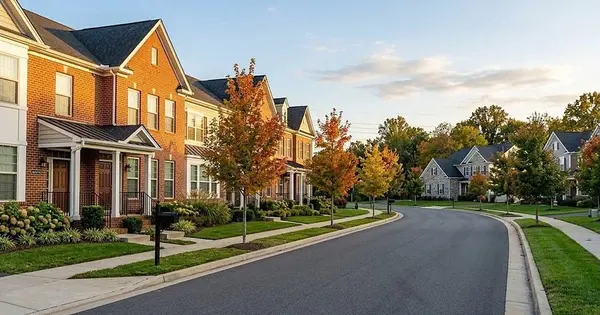
Loudoun County is forecast to see a 3.3% median price increase for single-family homes and a 7.6% jump in sales volume. Communities along the Silver Line corridor, including Ashburn and parts of Brambleton, are benefiting from Metro access and continued tech-sector employment. However, newer construction townhomes and condos in Loudoun are seeing slower movement as rising HOA fees and insurance costs give buyers pause.
Arlington and Alexandria remain premium markets. Arlington's single-family median price is projected to rise 3.8% in 2026, though inventory is expected to spike by 27.8%. Alexandria is forecast for a 4.2% price increase. Walkability, Metro proximity, and urban amenities continue to drive demand — but condo pricing in these areas is softening.
Prince William County presents a mixed picture. Prices are forecast to be essentially flat (a slight 0.2% decline), but sales are expected to increase 3% as buyers priced out of Fairfax and Loudoun look further south for value. If you're currently searching for options in the DMV, browsing current listings across these counties can help you see where the real opportunities are right now.
Maryland (Montgomery & Prince George's Counties) and DC proper are seeing similar patterns — more inventory, longer days on market, and a growing gap between well-positioned listings and overpriced ones. Sellers in these areas who understand the competitive dynamics of their specific micro-market are faring much better than those taking a "wait and see" approach.
🏆 What Fast-Selling Homes Have in Common
After analyzing hundreds of listings across the DMV this year, a clear profile emerges for the homes that sell within the first 10–14 days:
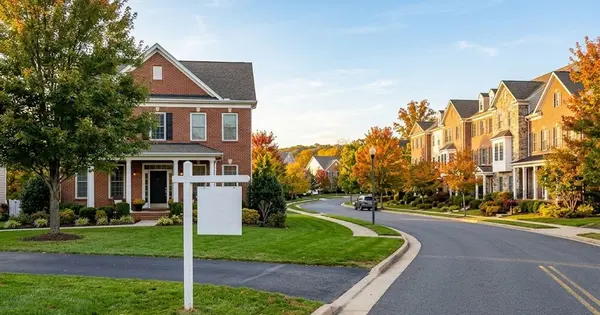
1. They're Priced Right on Day One. This is the single biggest differentiator. Homes priced at or slightly below market value are generating the most activity. In a market where buyers have more choices, the first impression is the listing price. Overpricing by even 3–5% can push a listing into the "watch and wait" category, where buyers monitor it for price drops instead of scheduling showings.
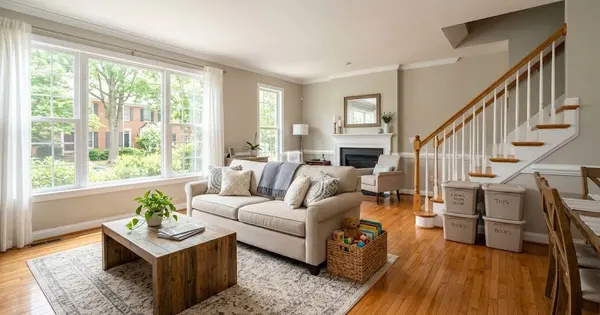
2. They Look Move-In Ready. Today's buyers, especially those paying 6%+ mortgage rates, don't want projects. They want updated kitchens, clean bathrooms, fresh paint, and functional layouts. Homes that show well — whether through professional staging or smart cosmetic improvements — are consistently outperforming those that don't.
3. They're in Strong School Districts or Commute Corridors. This hasn't changed, but it's become even more pronounced. Buyers are prioritizing location fundamentals over square footage. A 1,800 sq. ft. home in a top-rated Fairfax County school zone will outsell a 3,000 sq. ft. home in a weaker district at the same price point.
4. They Have Professional Photography and Marketing. In 2026, the listing photos are the front door. Homes with high-quality photography, video tours, and strong online presentation generate more showings in the first week. This isn't optional — it's baseline.
5. They're Listed by Agents Who Understand Pricing Strategy. The best agents aren't just listing homes — they're engineering the launch. That means strategic pricing, pre-market preparation, coordinated marketing, and a clear plan for the first 7 days. Sellers looking for a smarter approach can learn more about how to list with a competitive commission structure that doesn't sacrifice marketing quality.
🔗 The Northern Virginia Advantage — And Where It Breaks Down
Northern Virginia has long been one of the most resilient real estate markets in the country, and 2026 is no exception — but with important nuances. NVAR CEO Ryan McLaughlin noted that the region's strong employment base, diverse economy, and sustained demand position it well for steady growth, even as the national market cools.
The numbers support that confidence. The 2025 full-year median sold price across Northern Virginia reached $750,000 — a 2.78% increase over 2024. Total sold dollar volume rose 6.04% to over $14.6 billion. These aren't the numbers of a market in trouble. They're the numbers of a market in transition.
But the advantage breaks down in specific segments:
- Condominiums: Sales are down roughly 22% year-over-year in NoVA, with prices declining. Rising HOA fees, insurance costs, and financing complications are making condos less attractive compared to townhomes and detached homes.
- Townhomes: Pricing is essentially flat, but days on market have nearly doubled. Unless a townhome is in a strong school district or offers a superior commute, it's sitting longer than this time last year.
- Higher Price Points ($1M+): While the upper end of the market has actually been one of the stronger segments nationally, locally it depends on location and condition. Luxury homes in prime NoVA locations are still trading; overpriced luxury in secondary locations is not.
For sellers in the condo or townhome space, accurate pricing is non-negotiable. If you're unsure where your property stands, getting a professional home valuation before you list is one of the smartest moves you can make right now.
Thinking about making a move in 2026? Let's start with the numbers.
⚖️ Pros and Cons of Listing in a Selective Market
Listing in 2026's more balanced market has distinct advantages and challenges compared to the frenzy of 2021–2022. Here's an honest breakdown:
| ✅ Pros of Listing Now | ⚠️ Cons to Be Aware Of |
|---|---|
| Lower mortgage rates are bringing more qualified buyers back into the market | Inventory is up ~35% YoY in NoVA — you have more competition than last year |
| Well-priced homes in strong locations still sell quickly, often within 10–14 days | Buyers are picky and demand move-in ready condition |
| NoVA median prices remain strong — $750K full-year 2025 median | Condos and some townhomes are seeing price declines and longer sell times |
| Serious buyers in 2026 are pre-approved and ready to close | Overpricing by even a small margin leads to rapid listing fatigue |
| Fewer bidding wars = less risk of appraisal gaps and deal fallout | Sellers may need to offer concessions (closing cost assistance, repairs) |
The key takeaway: listing in this market isn't a disadvantage — it's an opportunity if you approach it with the right strategy. Sellers who pair realistic pricing with strong marketing and a cost-efficient listing structure are keeping more of their equity while still selling on competitive timelines.
🎯 What to Do Right Now — Whether You're Buying or Selling
If You're Selling:
- Get a professional market analysis before you set your price — not a Zestimate, not what your neighbor sold for last year. The market has shifted, and data from even six months ago may not reflect today's reality.
- Invest in pre-listing preparation: fresh paint, professional cleaning, minor repairs, and staging. These investments typically return 3–5x their cost in faster sales and higher offers.
- Price at or slightly below market value to create urgency. In the current environment, slightly underpricing often generates more interest and better net outcomes than aspirational pricing.
- Choose a listing agent who has a real marketing plan — not just an MLS upload. The first 7 days on market are make-or-break in 2026.
- Be prepared to negotiate. Buyers are requesting inspections, asking for concessions, and taking their time. Flexibility wins deals.
If You're Buying:
- Get pre-approved now. With rates near three-year lows, locking in a rate in the low 6% range (or even sub-6% with some lenders) gives you a real edge. Exploring your financing options early can save you thousands over the life of a loan.
- Don't wait for a crash. Multiple economists — from NAR to Redfin to Compass — agree that a meaningful price correction is highly unlikely in 2026. Affordability is improving through income growth, not price drops.
- Focus on well-priced new listings in strong school districts. The competition for these properties is still real, even in a more balanced market.
- Use the increased inventory to your advantage. You have more negotiating power than buyers have had in years — request inspections, ask for closing cost assistance, and don't be afraid to walk away from a listing that doesn't meet your standards.
- Pay attention to property type. Detached single-family homes hold value best. Townhomes offer value but check HOA trajectory. Condos require extra due diligence on financials and reserve funds. Reviewing current available listings across different property types can help you compare your options side-by-side.
🚫 The Pricing Mistakes That Kill Listings
If your home isn't selling, the most likely culprit is price. Here are the most common pricing mistakes we're seeing across the DMV in 2026:
Anchoring to Your Purchase Price. What you paid for the home — or what you owe on it — has no bearing on what the market will pay today. Buyers don't care about your mortgage balance. They care about comparable sales, condition, and location. Setting your price based on what you need rather than what the market supports is the fastest path to a stale listing.
Using Outdated Comps. In a shifting market, comparables from even six months ago can be misleading. The best pricing strategy uses the most recent 60–90 day sold data, active competition analysis, and a realistic assessment of where the market is heading — not where it was.
Ignoring Property Type Trends. If you're selling a condo in Northern Virginia, you're in a different market than detached home sellers. Condo prices in NoVA are forecast to decline 2.7% in 2026, even as single-family prices rise. Pricing a condo as though the detached home market applies to you is a recipe for a long sit.
Testing the Market. Some sellers list high with the plan to reduce later if it doesn't work. This is one of the most expensive mistakes in real estate. Every day a home sits on market, it loses perceived freshness. By the time you reduce, the buyers who would have been interested at the right price have already moved on to other properties. You end up selling for less than you would have if you'd priced correctly from the start.
Not Factoring in Buyer Concessions. In 2026, many buyers are negotiating seller-paid closing costs, repair credits, and rate buydowns into the deal. If your list price doesn't account for this — if you've priced at your absolute floor — you have no room to negotiate, and buyers will look elsewhere.
The strongest sellers in the current market are the ones who price strategically, not emotionally. If you're unsure where your home falls, getting a clear picture of current value through a pre-approval or financing review on the buy side — or a professional market analysis on the sell side — is where every smart transaction starts.
❓ Frequently Asked Questions
Why are some homes selling fast while others sit on the market in 2026?
The primary factors are pricing accuracy, property condition, location quality, and property type. Homes priced correctly in strong school districts with move-in ready condition are still selling quickly, while overpriced listings or condos with rising HOA costs are sitting for weeks or months.
How long are homes taking to sell in Northern Virginia in 2026?
As of January 2026, the average days on market in Northern Virginia is 42 days, up significantly from approximately 27 days a year earlier. Nationally, the average is even longer at 64 days. Well-priced homes in top locations can still sell in under two weeks, while poorly positioned listings may sit for 60 or more days.
What are mortgage rates in the DMV area right now?
As of mid-February 2026, the 30-year fixed mortgage rate averages around 6.09% according to Freddie Mac, with some lenders offering rates in the high 5% range. This is the lowest level in approximately three years and a meaningful improvement over the 6.87% average seen in February 2025.
Is the Northern Virginia housing market going to crash in 2026?
No. Economists across NAR, Redfin, Compass, and NVAR agree that a housing crash is highly unlikely. Low mortgage delinquency rates, strong homeowner equity, steady employment in the DMV, and limited inventory at lower price points all support price stability. Affordability is expected to improve gradually through income growth outpacing home prices — not through a price collapse.
Should I sell my home now or wait until later in 2026?
If your home is in a strong location and good condition, listing before or during the spring selling season (March through June) positions you in front of the highest buyer activity. Waiting until summer or fall typically means longer days on market and more price competition. The best move is to get a current market analysis and make a data-driven decision.
Are condos a good investment in Northern Virginia right now?
Condos in Northern Virginia are facing headwinds in 2026. Sales are down significantly, prices are forecast to decline approximately 2.7%, and rising HOA fees and insurance costs are making them less attractive to buyers. That said, well-located condos near Metro stations at competitive prices can still move — they just require more strategic pricing than in previous years.
What's the most important thing I can do to sell my home faster?
Price it correctly from day one. In the 2026 market, the first 10 days on market determine a listing's trajectory. Homes that are priced at or slightly below market value generate the most interest and often receive better net offers than homes that start high and reduce over time.
How much is my home worth in 2026?
Home values in Northern Virginia vary significantly by jurisdiction, property type, condition, and location. The region's median sold price was $675,000 in January 2026, but individual home values can range widely. A personalized market analysis from a local agent is the most accurate way to determine your home's current value — far more reliable than automated online estimates.
Is now a good time to buy a home in the DMV?
For qualified buyers, 2026 offers a combination of lower mortgage rates, increasing inventory, and more negotiating power than the previous three years. Affordability is expected to continue improving as incomes grow faster than home prices. Buyers who are financially ready and willing to act on well-priced listings are in a stronger position than they've been since before the pandemic.
What neighborhoods in Northern Virginia are best for buying right now?
Fairfax County remains the strongest overall market, particularly for detached homes in top-rated school districts. Loudoun County offers strong appreciation potential near the Silver Line corridor. Prince William County provides relative value for buyers priced out of closer-in markets. The best neighborhood for you depends on your budget, commute needs, and lifestyle priorities — working with a local team familiar with each micro-market makes a significant difference.
Ready to Make Your Move in 2026?
The Jamil Brothers Realty Group helps buyers and sellers across Northern Virginia, Maryland, DC, and West Virginia navigate every type of market — from fast to slow and everything in between.
📞 703-782-4830
Categories
- All Blogs (1227)
- Aldie (3)
- Ashburn (6)
- Buyer Guide (8)
- Buying a home (2)
- Buying Strategies (30)
- festivals (1)
- General Blog (67)
- Leesburg (5)
- Market Intelligence (29)
- Market Updates (8)
- Notable Properties For Sale (32)
- Real Estate Tips, News, and More (385)
- Seller Guide (2)
- Seller Guides (60)
- Selling Your Home (522)
- Sterling (6)
- Top Realtors in Northern Virginia (58)
Recent Posts

Message Sent!
Thank you for reaching out. Arslan & Saad have received your details and will be in touch shortly.
Need immediate assistance? Call or text 703-782-4830.