
Selling a House in Norfolk, VA: The Complete Home Seller's Guide (2026)
Selling a House in Norfolk, VA: The Complete Home Seller's Guide (2026)
Updated February 2026 · 18-Minute Read · Selling Your Home
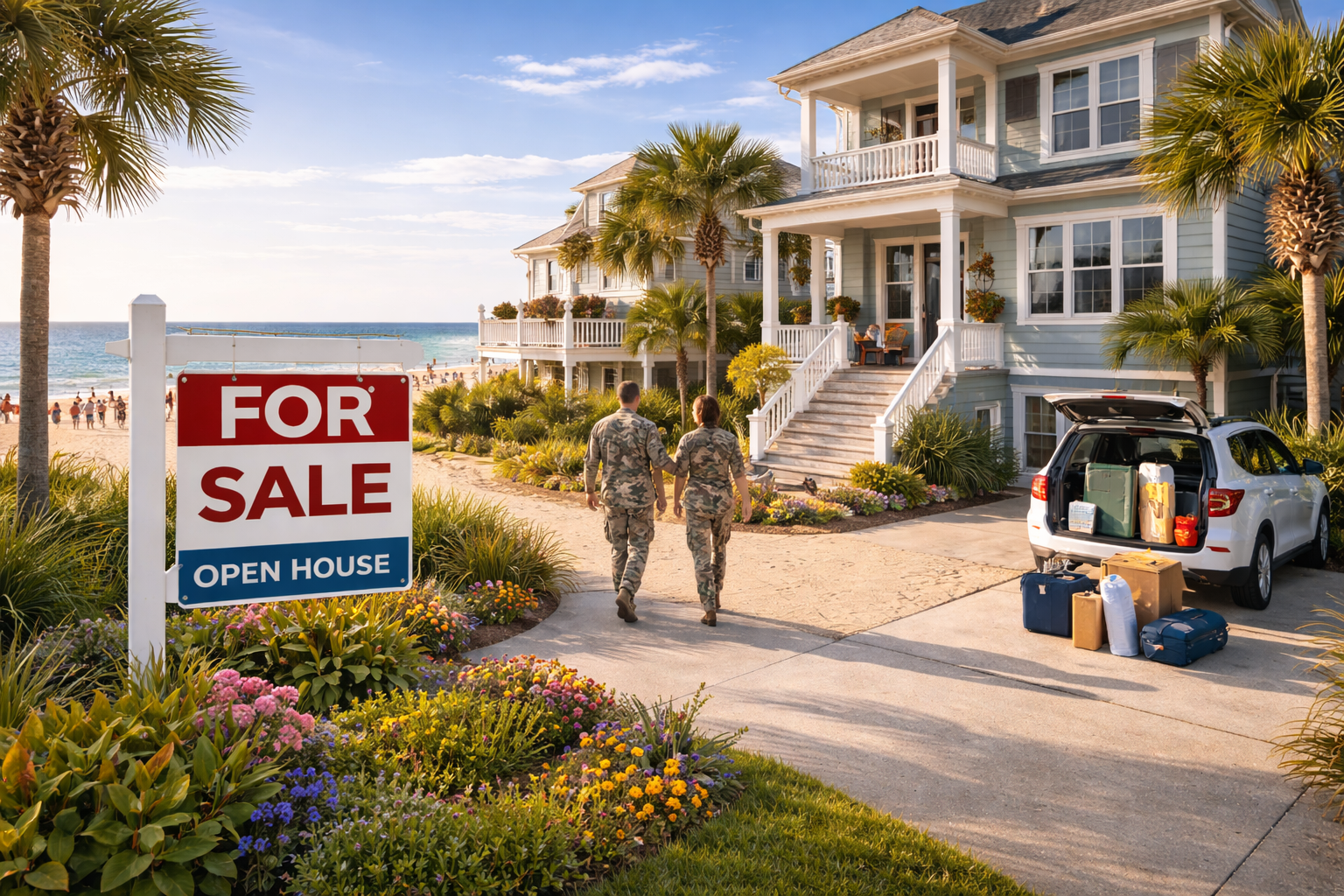
Norfolk sits at the heart of the Hampton Roads metro — home to the world's largest naval base, a revitalized waterfront, and one of Virginia's most diverse housing markets. Whether you're a long-time homeowner in Ghent, a military family facing a PCS move from Naval Station Norfolk, or an investor cashing in on Ocean View's rising values, selling a house here in 2026 demands a strategy tailored to this coastal, military-driven market.
This guide covers everything Norfolk sellers need to know — from local pricing data and neighborhood trends to closing costs, PCS timing, flood-zone considerations, and how to walk away with the most money possible.
Quick Answer
Norfolk homes are selling at a median price near $315,000–$328,000 with competitive conditions in desirable neighborhoods. In 2026, sellers benefit from steady military-driven demand, limited inventory in popular areas, and modest annual appreciation. To maximize your proceeds, price accurately using local comps, time your listing around PCS season (spring through summer), and account for roughly 7%–9% in total selling costs — including Virginia's grantor tax and agent commissions.
Key Takeaways
- Norfolk's 2026 median sale price is approximately $315,000–$328,000, with homes going pending in roughly 17–39 days depending on neighborhood and condition.
- Military PCS cycles create predictable demand surges every spring and summer — timing your listing accordingly can attract more qualified buyers.
- Seller closing costs in Norfolk run approximately 7%–9% of the sale price, including Virginia's 0.1% grantor tax, agent commissions, title fees, and prorated property taxes.
- Flood zone status affects both buyer interest and insurance costs — 82% of Norfolk properties carry some flood risk, so proactive disclosure and documentation protect your sale.
- Neighborhoods like Ghent, Larchmont, Ocean View, and Colonial Place each attract different buyer profiles and command different price points.
Table of Contents
- Norfolk Housing Market Snapshot (2026)
- Neighborhood Breakdown: Where Values Are Strongest
- How Military PCS Moves Shape the Norfolk Market
- How to Price Your Norfolk Home
- Preparing Your Home for Sale
- Flood Zones and Coastal Disclosures
- Selling Timeline: Week by Week
- Norfolk Seller Closing Costs
- Understanding Agent Commissions in 2026
- Common Mistakes Norfolk Sellers Make
- Alternatives to a Traditional Sale
- Frequently Asked Questions
- Norfolk Seller's Glossary
1. Norfolk Housing Market Snapshot (2026)
Norfolk's real estate market enters 2026 defined by what local analysts describe as mild price softness alongside stable demand and constrained supply. Sellers in sought-after neighborhoods still hold a structural advantage, though the days of every listing attracting multiple offers within hours are behind us. The result is a market that rewards accurate pricing and strong preparation rather than blind optimism.
Key Numbers At-a-Glance
| Median Sale Price | $315,000 – $328,000 |
| Average Days on Market | 34 – 39 days (hot homes: ~17 days) |
| Year-Over-Year Price Change | +3.7% (Zillow HVI) / Flat to -0.3% (Redfin) |
| Property Tax Rate | $1.23 per $100 assessed value (~1.0%–1.25% effective) |
| Compete Score (Redfin) | 72 / 100 (Very Competitive) |
| Sale-to-List Ratio | ~100% (hot homes: ~102%) |
Sources: Zillow, Redfin, REIN MLS — data as of late 2025/early 2026. Figures reflect single-family and overall residential activity.
What's driving the Norfolk market right now? Military demand remains the single most reliable baseline. Naval Station Norfolk and the surrounding installations cycle thousands of families in and out every year, stabilizing both the purchase and rental sides of the market. Meanwhile, revitalization projects in Ocean View, Downtown, and the Waterside District continue to attract young professionals and investors. Rising BAH rates in 2026 (a 5.4% national average increase) are expanding purchasing power for active-duty buyers using VA loans.
What's Pushing Norfolk Home Values Up vs. Down
| Upward Pressure | Downward Pressure |
|---|---|
| Steady military PCS demand (PCS activity up ~12% YoY) | Mortgage rates hovering near 6%, limiting some buyers |
| Limited housing inventory in top neighborhoods | Rising flood insurance costs under FEMA's Risk Rating 2.0 |
| Rising BAH rates (5.4% national average for 2026) | Buyer sensitivity to coastal risk perception |
| Downtown and waterfront redevelopment projects | Inventory gradually increasing from 2024–2025 lows |
What's Your Norfolk Home Worth Today?
Market conditions vary block by block. Get a data-driven valuation that accounts for your specific neighborhood, property type, and current demand.
Get Your Free Home Valuation →2. Neighborhood Breakdown: Where Values Are Strongest
Norfolk is a city of distinct neighborhoods, each attracting different buyer profiles and commanding different price points. Understanding which micro-market your home sits in — and who's most likely to buy it — is the foundation of an effective pricing and marketing strategy.
| Neighborhood | Price Range (2026 est.) | Primary Buyer | Key Selling Point |
|---|---|---|---|
| Ghent / West Ghent | $425K – $750K | Young professionals, creatives | Walkability, arts scene, historic character |
| Larchmont / Edgewater | $375K – $600K | Families, medical professionals | Schools, river access, quiet streets |
| Ocean View | $300K – $600K | Military families, investors | Chesapeake Bay waterfront, growth potential |
| Colonial Place / Riverview | $350K – $450K | First-time buyers, young couples | Craftsman charm, affordability near Ghent |
| Downtown Norfolk | $225K – $500K | Young professionals, downsizers | Urban lifestyle, condo options, light rail |
| East Beach | $400K – $700K+ | Coastal lifestyle buyers | Master-planned, beach access, modern builds |
| Norview / Estabrook | $180K – $290K | First-time buyers, investors | Affordability, steady rental demand |
A key pattern to understand: Norfolk's more affordable neighborhoods have been appreciating faster than premium areas because of strong demand from first-time buyers and military families stretching their BAH dollars. Sellers in Norview or Broad Creek who invested in renovations may see especially strong returns, while Ghent and Larchmont sellers benefit from persistent low inventory and high walkability scores.
Norfolk Neighborhood Price Comparison (Median Range)
Ghent / West Ghent
$425K – $750K
Larchmont / Edgewater
$375K – $600K
Ocean View
$300K – $600K
Colonial Place
$350K – $450K
Norview / Estabrook
$180K – $290K
3. How Military PCS Moves Shape the Norfolk Market
No discussion about selling a house in Norfolk is complete without addressing the military elephant in the room. Naval Station Norfolk alone is the largest naval base in the world, and across the Hampton Roads region there are 15 military installations. This presence creates a housing market unlike almost any other in Virginia.
PCS Season = Peak Selling Season
Permanent Change of Station (PCS) orders typically flow heaviest from March through August. During this window, thousands of military families arrive in Hampton Roads — and thousands more depart, creating simultaneous supply and demand. Spring 2026 PCS activity has increased approximately 12% compared to the prior year, driven by post-pandemic reassignment backlogs and strategic DOD realignments.
For sellers, this means listing during the March–July window captures the largest buyer pool. Military buyers also bring unique advantages: many use VA loans with zero down payment, they often need to close quickly, and rising BAH rates in 2026 have expanded their purchasing budgets.
✅ PCS Seller Timing Checklist
- January–February: Begin prep work, declutter, get a pre-listing inspection
- March–April: Hit the market to catch early PCS arrivals and spring buyers
- May–July: Peak demand window — maximum buyer pool from inbound transfers
- August–September: Catch late-cycle PCS families and fall buyers
- October–December: Slower season, but serious buyers remain — consider pricing aggressively
Selling During Your Own PCS
If you're the one receiving PCS orders, you face a compressed timeline. The typical military family has 6–10 weeks between receiving orders and needing to report. Here's what matters most: partner with an agent who understands military timelines, price for speed (not aspiration), and ensure your home is VA-appraisal ready — meaning no major structural, safety, or pest issues that would flag a VA inspection.
Virginia also requires a wood-destroying insect (WDI) inspection for VA-financed transactions, and any repairs must be completed before closing. Schedule this early to avoid last-minute delays that could jeopardize your reporting date.
4. How to Price Your Norfolk Home
Pricing is the single highest-leverage decision you'll make as a seller. In Norfolk's 2026 market — where conditions vary significantly by neighborhood — the right price generates showings and offers within weeks; the wrong price leads to staleness and eventual reductions.
The Data-Driven Pricing Framework
Start with a Comparative Market Analysis (CMA) based on recent closed sales within a half-mile radius and within the last 90 days. Norfolk's neighborhoods are distinct enough that using comps from the wrong area will mislead you. A Ghent craftsman should never be priced against a Norview ranch — even if the square footage matches.
| Strategy | When to Use | Expected Result |
|---|---|---|
| At Market Value | Average home, good condition, no urgency | Offer within 30–45 days |
| Slightly Below Market (2%–3%) | PCS timeline, need fast close | Multiple offers, potential bidding |
| Above Market (3%+) | No timeline pressure, unique property | Longer DOM, possible price reductions |
In Norfolk, more than 60% of homes sell with fewer than two price reductions, indicating that most sellers who price accurately from the start avoid the stigma of stale listings. If your home sits beyond 45 days without an offer, that's a strong signal to revisit your price rather than waiting.
Know Your Numbers Before You List
Our free seller net sheet calculator shows exactly what you'll walk away with after commissions, taxes, and closing costs — customized for your Norfolk address.
Calculate Your Net Proceeds →5. Preparing Your Norfolk Home for Sale
Norfolk buyers in 2026 are savvy and comparison-heavy. With more inventory than the past two years, your home needs to stand out — particularly against renovated competitors in hot neighborhoods like Ghent and Ocean View. Here's a practical preparation checklist ranked by return on investment.
Home Preparation Checklist (Ranked by ROI)
| Task | Est. Cost | Impact |
|---|---|---|
| Deep clean + declutter | $200 – $500 | High |
| Professional photography | $150 – $400 | High |
| Neutral interior paint (walls & trim) | $1,500 – $3,500 | High |
| Curb appeal (mulch, pressure wash, plantings) | $300 – $1,000 | High |
| Kitchen and bath hardware updates | $200 – $800 | Medium |
| Light fixture replacement | $150 – $600 | Medium |
| Major renovation (kitchen, bath remodel) | $10,000 – $30,000+ | Low ROI unless dated |
Norfolk-Specific Prep Tips
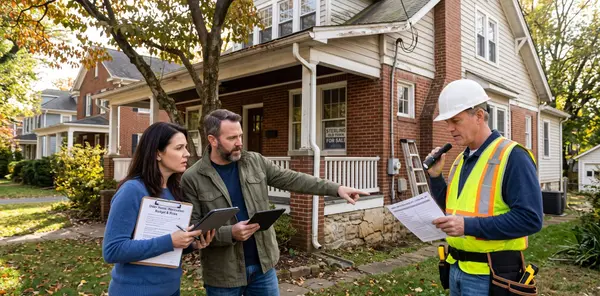
Humidity and moisture. Norfolk's coastal climate means buyers (and inspectors) are on high alert for moisture damage, mold, and HVAC strain. Have your crawl space inspected, check for standing water, and ensure your dehumidifier and drainage are functioning. A clean moisture report adds confidence to any offer.
Older homes in historic districts. If your property is in Ghent's Historic District or the North Ghent Historic District, some exterior changes may require compliance with the city's historical design guidelines. Make sure any recent updates were properly permitted — unpermitted work can derail a closing.
6. Flood Zones and Coastal Disclosures
This section matters more in Norfolk than almost any other Virginia city. Approximately 82% of Norfolk properties carry some degree of flood risk, and as sea levels continue to rise along the Chesapeake Bay, both buyers and their lenders are paying closer attention.
What Sellers Must Know
Virginia is generally a "caveat emptor" (buyer beware) state, meaning sellers aren't required to make extensive property disclosures. However, since January 2022, Virginia law (§ 55.1-708.2) does require sellers who have actual knowledge that their home is a repetitive risk loss structure — defined as a property with two or more NFIP claims exceeding $1,000 within any rolling 10-year period since 1978 — to disclose that fact.
Beyond what's legally required, proactive flood disclosure is smart strategy. Buyers using VA loans or conventional financing in FEMA-designated high-risk zones (AE, AH, AO, VE) will be required by their lender to carry flood insurance. If your property falls in a high-risk zone, having your elevation certificate and current flood insurance documentation ready for buyers eliminates a major friction point.
⚠ Flood-Related Seller Action Items
- Check your property's flood zone at NorfolkAIR or the FEMA Map Service Center
- Gather your current flood insurance policy and claims history
- Obtain or locate your elevation certificate (Norfolk maintains a public list)
- If applicable, complete the Virginia Repetitive Risk Loss Disclosure form
- Disclose any past flooding or water intrusion — transparency prevents post-sale litigation
- Note: Norfolk participates in FEMA's Community Rating System (CRS), which can reduce flood insurance premiums for your buyer
Selling for Just 1.5% — Full Service, No Shortcuts
Our 1.5% listing fee covers the same professional marketing, negotiation, and representation as a traditional commission — just at a smarter price. See how much more you keep at closing.
Learn About Our 1.5% Full-Service Listing →7. Selling Timeline: Week by Week
Understanding the typical timeline helps you plan your move, coordinate a purchase, and avoid costly surprises. Here's what a Norfolk home sale looks like from start to finish.
Typical Norfolk Sale Timeline
Pre-Listing Preparation
Agent selection, CMA review, pricing strategy, home prep, photography, flood documentation
Go Live on MLS
Active listing, showings begin, digital marketing launches, open house(s)
Offer & Negotiation
Review offers, negotiate terms, execute ratified contract (avg. 17–39 days on market)
Under Contract
Home inspection, appraisal, WDI inspection (if VA loan), buyer financing approval, title search
Closing
Final walkthrough, settlement, title transfer, proceeds disbursement (typically 1–3 business days)
Total time from preparation to closing: roughly 10–14 weeks for an average Norfolk sale. Military sellers on PCS timelines can compress this to 6–8 weeks with aggressive pricing and a prepared property, but rushing often means leaving money on the table.
8. Norfolk Seller Closing Costs
Closing costs are where many Norfolk sellers get surprised. Unlike Northern Virginia, Norfolk does not charge the additional 0.15% congestion relief tax — but you'll still face Virginia's standard grantor tax, title fees, and prorated property taxes at Norfolk's relatively high rate.
| Cost Item | Typical Range | On a $315,000 Sale |
|---|---|---|
| Listing Agent Commission | 1.5% – 3% | $4,725 – $9,450 |
| Buyer Agent Commission (if offered) | 2% – 3% | $6,300 – $9,450 |
| Virginia Grantor Tax (0.1%) | $1 per $1,000 | $315 |
| Title Insurance (owner's policy) | $800 – $1,600 | ~$1,200 |
| Settlement / Escrow Fees | $500 – $1,500 | ~$800 |
| Prorated Property Taxes | Varies by close date | ~$500 – $2,000 |
| Recording Fees | $75 – $250 | ~$150 |
| HOA Transfer / Docs (if applicable) | $150 – $500 | Varies |
| Estimated Total | 7% – 9% | $14,565 – $25,415 |
Estimates only. Actual costs vary by transaction. An attorney is optional (not required) for Virginia real estate closings.
Closing Cost Breakdown by Category
See Your Exact Numbers
Every sale is different. Use our interactive seller net sheet to estimate your take-home amount based on your specific Norfolk address, expected sale price, and mortgage balance.
Get Your Free Net Sheet →9. Understanding Agent Commissions in 2026
Following the NAR settlement that reshaped how buyer agent compensation works, sellers now have more control over commission structures than ever before. In Virginia, listing agent commissions typically range from 1.5% to 3% of the sale price, while buyer agent compensation — if offered by the seller — runs 2% to 3%.
The math matters. On a $315,000 Norfolk home, the difference between a 2.5% listing commission and a 1.5% listing commission is roughly $3,150 — money that stays in your pocket. Some teams, including the Jamil Brothers Realty Group, offer a 1.5% full-service listing fee that covers the same professional marketing, negotiation support, and transaction management as higher-commission models.
Commission Options: What You're Choosing Between
| Option | Pros | Cons |
|---|---|---|
| Traditional (2.5%–3%) | Full-service, widely available | Higher cost, not always better service |
| Full-Service at 1.5% | Same marketing and representation, significant savings | Fewer teams offer this model |
| Flat Fee / FSBO | Maximum savings on listing side | No negotiation support, limited exposure, legal risk |
10. Common Mistakes Norfolk Sellers Make
Avoiding these pitfalls can save you thousands of dollars and weeks of stress. Each one is based on patterns we see regularly in the Hampton Roads market.
❌ Top Seller Mistakes in Norfolk
1. Overpricing based on Zillow estimates. Online AVMs don't account for Norfolk's neighborhood-level variation. A $350,000 Zestimate for a Ghent home may be 15% off in either direction depending on the specific block and condition.
2. Ignoring flood zone implications. Buyers are increasingly asking about flood risk, insurance costs, and elevation data. Not having answers ready — or worse, concealing past water damage — kills deals and invites legal exposure.
3. Missing PCS season. Listing in November when most military buyers arrived in June means facing a smaller buyer pool and less competition for your home.
4. Skipping the WDI inspection. Most VA-financed buyers will need a termite/wood-destroying insect report. Having one ready (or pre-treating if issues are found) prevents last-minute renegotiations.
5. Underestimating closing costs. Many sellers budget for commissions but forget about the grantor tax, title fees, prorated taxes, and potential repair credits. Use a seller net sheet before you commit to a price.
6. Choosing an agent based on the highest price suggestion. Some agents inflate their suggested list price to win your listing, then push for reductions later. The best agents present honest comps and a defensible pricing strategy from day one.
11. Alternatives to a Traditional Sale
Not every Norfolk homeowner's situation fits a standard MLS listing. Here are your other options, along with the trade-offs for each.
| Alternative | Best For | Typical Discount vs. Market |
|---|---|---|
| Cash Offer | Speed, certainty, as-is condition | 10%–20% below market |
| iBuyer | Convenience, fast close | 5%–15% below market + service fees |
| FSBO (For Sale By Owner) | Experienced sellers, hot markets | Commission savings, but often lower sale price |
| Rent Instead of Sell | Military families wanting to hold equity | No sale — ongoing income, management needed |
Military homeowners often consider keeping their Norfolk home as a rental when they PCS. Norfolk's rental market is strong, driven by steady military and student demand from Old Dominion University. However, being a long-distance landlord adds complexity. Weigh the ongoing costs (property management, maintenance, vacancy risk, insurance) against the benefit of continued appreciation and rental income.
If you need to sell quickly — perhaps due to a PCS deadline or a financial transition — a cash offer option eliminates the uncertainty of financing contingencies and inspections. You trade some proceeds for speed and certainty.
Buying Your Next Home After Selling?
Whether you're PCSing to a new duty station or relocating within Hampton Roads, our buyer strategy session helps you coordinate the timing, financing, and logistics of your next purchase.
Schedule a Free Buyer Strategy Session →12. Frequently Asked Questions
How much is my Norfolk home worth in 2026?
Norfolk's citywide median sale price is approximately $315,000–$328,000, but values vary dramatically by neighborhood. Ghent homes typically sell between $425,000 and $750,000, while Norview properties average $180,000–$290,000. The most accurate way to determine your home's value is through a professional CMA based on recent sales within your immediate area. You can also start with a free home valuation.
What is the best time of year to sell a house in Norfolk, VA?
March through July is the optimal window, largely driven by PCS season. Thousands of military families arrive in Hampton Roads during this period, creating peak buyer demand. Listing in early spring gives your home maximum exposure during the busiest months.
How does military PCS affect the Norfolk housing market?
PCS moves are Norfolk's housing heartbeat. They create predictable seasonal demand, support steady home values, and bring a pool of qualified buyers (often using VA loans with zero down payment). In 2026, rising BAH rates and a 12% increase in PCS activity are adding upward pressure on both the purchase and rental markets.
How much are closing costs for sellers in Norfolk, VA?
Expect total selling costs of approximately 7%–9% of the sale price, including agent commissions, Virginia's 0.1% grantor tax, title insurance, settlement fees, prorated property taxes, and recording fees. Note that Norfolk does not charge the additional Northern Virginia congestion relief tax. Use a seller net sheet calculator for a personalized estimate.
Do I need to disclose flood risk when selling my Norfolk home?
Virginia law requires sellers with actual knowledge that their property is a repetitive risk loss structure (two or more NFIP claims exceeding $1,000 in a rolling 10-year period) to disclose that fact. While Virginia is generally a "caveat emptor" state with limited disclosure requirements, proactive transparency about flood risk, insurance costs, and drainage protects you legally and builds buyer confidence.
What is the property tax rate in Norfolk, VA?
Norfolk's real estate tax rate is currently $1.23 per $100 of assessed value, which works out to an effective rate of roughly 1.0%–1.25%. On a home assessed at $300,000, annual property taxes would be approximately $3,690. Property taxes are prorated at closing, so you'll only pay for the portion of the year you owned the home.
Can I sell my Norfolk home while on a PCS move?
Yes — it happens every PCS season. The keys are working with an agent experienced in military timelines, pricing for speed rather than maximum profit, having your home prepped before you depart (or arranging virtual showing management), and ensuring VA-appraisal readiness including the WDI inspection. Some sellers grant power of attorney to a trusted person to handle the closing if they've already reported to a new duty station.
Should I rent or sell my Norfolk house when I PCS?
This depends on your financial goals, risk tolerance, and whether you want to manage a rental property remotely. Norfolk's rental market benefits from strong military and ODU student demand, making landlording viable. However, factor in property management costs (8%–10% of rent), maintenance, vacancy, and the risk of being a long-distance landlord. If your equity position is strong and you don't need the proceeds for your next purchase, keeping the home can be a solid investment.
How do I choose the best real estate agent in Norfolk, VA?
Focus on three criteria: local transaction volume (look for agents who regularly close in your specific neighborhood), marketing capability (professional photography, digital advertising, MLS strategy), and commission transparency. Interview at least two or three agents and ask for a written marketing plan, not just a price opinion. Teams with deep Hampton Roads experience — such as the Jamil Brothers Realty Group, which has facilitated over $500 million in transactions across Virginia — offer both local market knowledge and modern marketing. Ultimately, the right fit depends on your timeline, communication style, and comfort level.
Is Norfolk a good place to sell a house in 2026?
Norfolk's market conditions are favorable for sellers in 2026, particularly in high-demand neighborhoods. Steady military demand, limited inventory in desirable areas, ongoing waterfront revitalization, and rising BAH rates support stable values. However, this isn't a "list it and forget it" market — accurate pricing, strong presentation, and strategic timing are essential to maximize your sale.
Do I need an attorney to sell a house in Norfolk, Virginia?
Virginia does not require an attorney for real estate transactions, though many sellers choose to use one for complex situations (estate sales, divorce proceedings, title issues). A licensed settlement agent or title company can handle the closing. Most straightforward Norfolk sales proceed smoothly with just an experienced agent and a reputable title company.
13. Norfolk Seller's Glossary
| CMA | Comparative Market Analysis — a report your agent prepares using recent nearby sales to determine your home's fair market value. |
| Grantor Tax | Virginia's state transfer tax paid by the seller at $1 per $1,000 of sale price (0.1%). Norfolk sellers pay only this state rate — no additional regional tax. |
| PCS | Permanent Change of Station — a military relocation order that requires service members and families to move to a new duty assignment. PCS cycles drive seasonal housing demand in Norfolk. |
| BAH | Basic Allowance for Housing — tax-free monthly payment military members receive to cover off-base housing costs. BAH rates for the Norfolk area increased in 2026 as part of a 5.4% national average increase. |
| VA Loan | A mortgage backed by the U.S. Department of Veterans Affairs, offering zero down payment and no PMI. Common among Norfolk buyers, especially those with military backgrounds. |
| WDI Inspection | Wood-Destroying Insect inspection — required for VA-financed transactions in Virginia. Checks for termites, carpenter ants, and other pests. |
| FIRM | Flood Insurance Rate Map — FEMA's official map showing flood risk zones. Used to determine insurance requirements for Norfolk properties. |
| Days on Market (DOM) | The number of days from when a property is listed to when it goes under contract. Norfolk's average is 34–39 days in 2026. |
| Net Sheet | A document that estimates your actual take-home proceeds after subtracting all selling costs from the sale price. |
Your Next Steps
Selling a home in Norfolk requires a strategy that accounts for this market's unique military dynamics, coastal risk factors, and neighborhood-level price variation. The sellers who do best in 2026 are those who price based on data (not hope), prepare their homes to compete, time their listing around PCS demand, and understand their total costs before accepting an offer.
Whether you're facing a PCS deadline or have the luxury of timing your sale perfectly, the foundation is the same: know your numbers, know your neighborhood, and partner with an agent who knows Norfolk.
Ready to Sell Your Norfolk Home?
Start with a free home valuation and see exactly what your property could sell for in today's market. Then explore how our 1.5% full-service listing keeps more money in your pocket — without cutting corners on marketing or representation.
Disclaimer: This article is for informational purposes only and does not constitute legal, financial, or tax advice. Market data is sourced from Zillow, Redfin, REIN MLS, and public records as of early 2026 and is subject to change. Consult with a licensed real estate professional, attorney, or financial advisor for guidance specific to your situation.
Categories
- All Blogs (1168)
- Aldie (3)
- Ashburn (6)
- Buyer Guide (8)
- Buying a home (2)
- Buying Strategies (28)
- festivals (1)
- General Blog (66)
- Leesburg (5)
- Market Intelligence (29)
- Market Updates (8)
- Notable Properties For Sale (29)
- Real Estate Tips, News, and More (376)
- Seller Guide (2)
- Seller Guides (60)
- Selling Your Home (479)
- Sterling (6)
- Top Realtors in Northern Virginia (58)
Recent Posts

Message Sent!
Thank you for reaching out. Arslan & Saad have received your details and will be in touch shortly.
Need immediate assistance? Call or text 703-782-4830.