January 2026 Winter Storm Hits Northern Virginia: What It Means for DMV Homeowners and Buyers
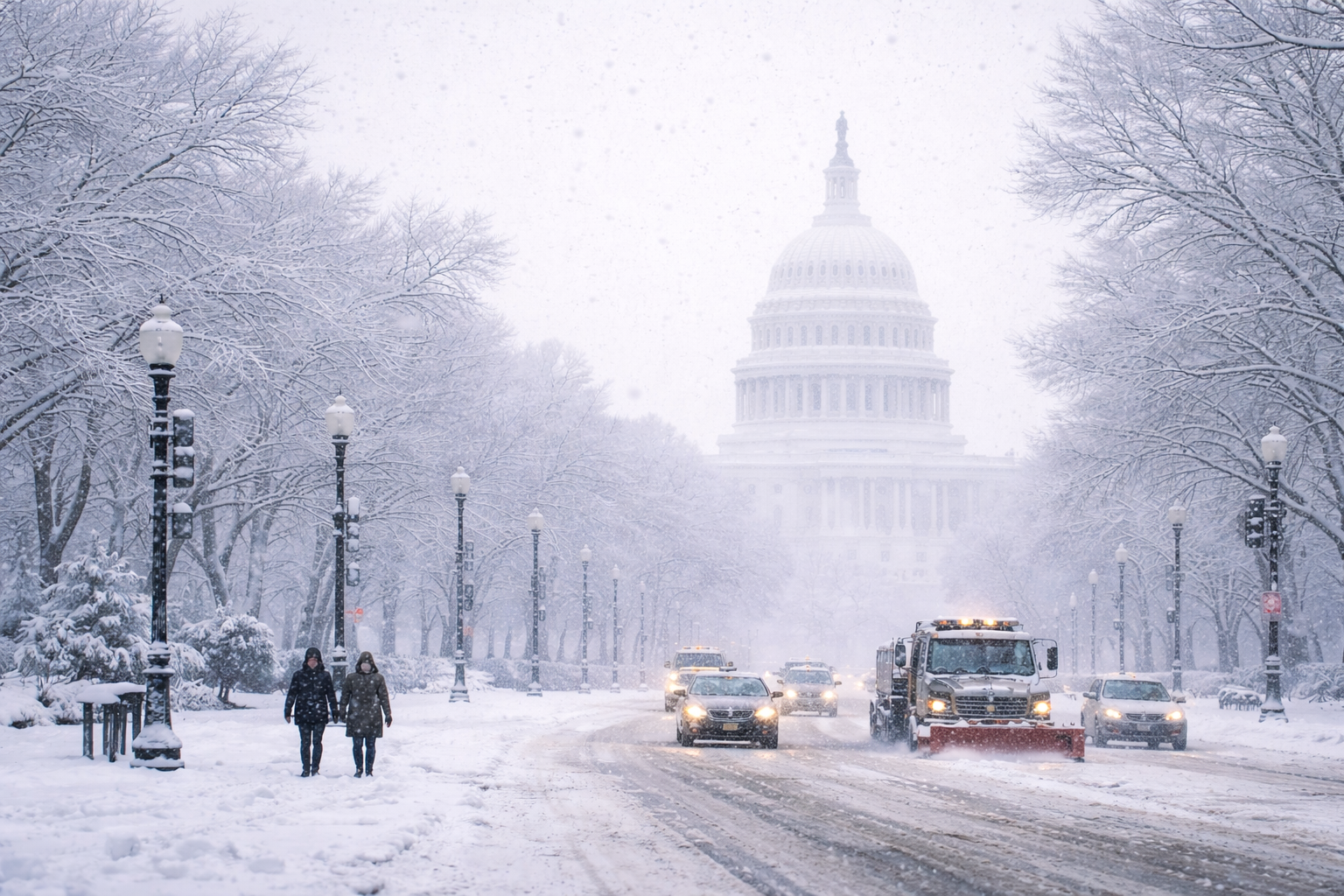
The DMV woke up to a white-out on Sunday, January 25, 2026, as one of the most significant winter storms in years blanketed Northern Virginia, Maryland, and the District with heavy snow, sleet, and freezing rain. Federal offices are closed Monday, schools across the region have canceled classes, and VDOT crews are working around the clock to clear more than 14,000 lane miles of roadway. For homeowners, buyers, and sellers, this storm is more than an inconvenience, it's a real-time stress test for properties across the region and a reminder of what winter in the DMV really demands.
Whether you're a current homeowner assessing potential damage, a buyer curious about how that listing handles extreme weather, or a seller wondering what this means for your spring plans, understanding the full scope of this storm, and its ripple effects, is essential. Here's everything you need to know.
⚡ Quick Facts at a Glance
- Storm Date: Saturday night, January 24 through Sunday, January 25, 2026
- Snow Totals: 5–10 inches across most of Northern Virginia; up to 12+ inches in western Loudoun
- Winter Storm Warning: In effect until 4 a.m. Monday, January 26
- Federal Offices: Closed Monday; maximum telework in effect
- School Closures: All major DMV school districts closed Monday
- State of Emergency: Declared for Virginia; FEMA assistance approved
- Power Outages: Over 1 million customers affected nationally; localized outages in NOVA
📑 Table of Contents
❄️ What Happened: Storm Overview
A powerful winter storm system swept through the Mid-Atlantic region beginning Saturday night, January 24, and continued through Sunday, January 25. The National Weather Service issued Winter Storm Warnings across the entire DMV, marking this as one of the most serious snow threats the region has seen in years. The storm delivered a potent mix of heavy snow, sleet, and freezing rain—with the precipitation type varying significantly based on location and elevation.
By Sunday evening, the precipitation had ended, but a Winter Storm Warning remained in effect until 4 a.m. Monday due to icy conditions. Temperatures plunged into the teens and 20s overnight, with arctic air expected to keep conditions frigid well into the week. Road crews worked through the night, but travel remained treacherous into Monday morning.
Governor Glenn Youngkin declared a state of emergency for Virginia ahead of the storm, and President Trump approved FEMA assistance for affected areas. The Virginia State Police urged residents to stay off roads through Monday, and more than 11,000 flights were canceled nationally.
📊 Snow Totals by Area
Snowfall totals varied significantly across Northern Virginia, with areas north and west of DC receiving the heaviest accumulations. Here's a breakdown of preliminary totals reported by the National Weather Service as of Sunday evening:
| Location | Snow Total (inches) |
|---|---|
| Vienna (Fairfax County) | 8.0" |
| Ashburn (Loudoun County) | 9.8" |
| Herndon (Fairfax County) | 7.0" |
| Centreville (Fairfax County) | 6.5" |
| Chantilly (Fairfax County) | 6.6" |
| McLean (Fairfax County) | 6.0" |
| Burke (Fairfax County) | 5.9" |
| Warrenton (Fauquier County) | 6.2" |
| Western Loudoun County | 10–12+" |
Areas south and east of DC received more freezing rain mixed with the snow, leading to a higher risk of power outages and downed trees from the weight of accumulated ice.
🏠 Why This Storm Matters for Homeowners
Winter storms of this magnitude put homes to the test. From roof loads and ice dams to frozen pipes and driveway damage, the January 2026 storm is likely to reveal vulnerabilities in properties across the region. Here's why homeowners should pay close attention:
⚠️ Ice + Cold = Extended Risk: The heavy ice accumulation followed by arctic temperatures means snow and ice won't melt naturally for several days. This prolongs the stress on roofs, gutters, and outdoor infrastructure—and increases the risk of ice dams and refreezing.
For homeowners in Northern Virginia, this storm is a reminder that winter preparedness isn't optional. Homes with older roofs, poor insulation, or deferred maintenance may experience issues that weren't apparent before the storm. If you're planning to sell in the spring, now is the time to identify and address any damage before it becomes a deal-breaker during inspections.
✅ Post-Storm Home Damage Checklist
Once conditions are safe, homeowners should conduct a thorough assessment of their property. Here's what to look for:
- Roof and Gutters: Check for missing shingles, sagging gutters, or signs of ice dam formation along the eaves. Look for water stains on ceilings inside.
- Pipes and Plumbing: Inspect exposed pipes in basements, crawl spaces, and exterior walls. Look for signs of freezing or bursting.
- Foundation and Drainage: Ensure downspouts are directing water away from the foundation. Check for pooling water or ice near the base of the home.
- Trees and Landscaping: Assess trees for broken branches or limbs hanging over the home, driveway, or power lines.
- Driveway and Walkways: Look for cracks or heaving caused by freeze-thaw cycles.
- HVAC System: Confirm your heating system is operating efficiently. Heavy usage during extreme cold can strain older units.
- Exterior Features: Check decks, fences, and outdoor structures for damage from ice and snow loads.
📍 Areas Most Impacted
While the entire DMV felt the effects of this storm, certain areas experienced heavier accumulations and more challenging conditions:
- Western Loudoun County: Received the highest snow totals in Northern Virginia, with 10–12+ inches reported in areas like Lovettsville and Purcellville. Rural roads and private streets may take longer to clear.
- Fairfax County (North and West): Vienna, Herndon, and Reston saw 7–8 inches, with icy conditions making secondary roads hazardous.
- Prince William County: Mixed precipitation led to significant ice accumulation in some areas, increasing the risk of power outages and tree damage.
- Fauquier County: Rural communities faced both heavy snow and limited plowing resources on private and HOA-maintained roads.
- Arlington and Alexandria: Lower totals (4–6 inches) but dense urban environments mean parking challenges and slower sidewalk clearing.
💡 Tip: If you're a buyer considering properties in western Loudoun or Fauquier County, ask about snow removal responsibilities. Many roads are maintained by HOAs or VDOT, not the county—and clearing timelines can vary significantly.
🏡 What This Means for Buyers and Sellers
Winter storms create both challenges and opportunities in the real estate market. Here's how this storm affects buyers and sellers in Northern Virginia:
For Buyers:
- See how homes perform under stress: A winter storm is a live test of a home's insulation, heating system, roof integrity, and drainage. If you're touring properties this week, pay attention to how well they've weathered the storm.
- Fewer competing buyers: Winter markets traditionally see less competition. Serious buyers who brave the cold often face fewer bidding wars.
- Motivated sellers: Homeowners who list in January are typically motivated to close. This can create negotiating opportunities.
- Closing delays possible: Lender hours, inspection schedules, and title company timelines may be disrupted this week. Build in extra cushion if you're under contract.
For Sellers:
- Document and repair any damage now: Buyers and inspectors will scrutinize winter maintenance. Addressing issues proactively protects your sale price.
- Highlight winter-ready features: Fireplaces, new HVAC systems, smart thermostats, and updated insulation become major selling points after a storm like this.
- Keep pathways clear: Safety is critical for showings. Salt walkways, clear driveways, and ensure buyers can access the property safely.
- Spring sellers should act now: If you're planning to list in March or April, use this storm as motivation to complete pre-listing repairs while contractors are available.
🚗 The Northern Virginia Angle
Northern Virginia's unique position as a federal employment hub and commuter-dense region means winter storms hit differently here than in other markets. Here's the local context:
- Federal closures ripple outward: With federal offices closed Monday and maximum telework in effect, Metro ridership will be down and roads will remain quieter—giving crews more time to clear major arteries.
- VDOT's snow priority system: VDOT manages over 14,000 lane miles in Northern Virginia, organized into 650 snow maps. Interstates and primary roads are cleared first, followed by secondary and neighborhood streets. Check VDOT's plow tracker for real-time updates on your street.
- HOA and private road considerations: Many newer developments in Loudoun, Prince William, and Fairfax rely on HOA-contracted snow removal. Clearing timelines can lag behind VDOT-maintained roads—something buyers should factor in when evaluating properties.
- Relocation buyers take note: If you're relocating to the DMV from a warmer climate, this storm is a reality check. Northern Virginia winters are generally mild, but major events like this one can and do happen. Factor snow removal access and infrastructure into your home search.
📋 Insurance and Documentation Tips
If your property sustained damage during the storm, taking the right steps now can make the insurance claims process much smoother:
- Document everything: Take photos and videos of any damage—inside and out—before making repairs.
- Review your policy: Standard homeowners insurance typically covers wind and ice damage, but coverage limits and deductibles vary. Check your policy or call your agent.
- Make temporary repairs: Take reasonable steps to prevent further damage (e.g., tarping a damaged roof), and keep receipts for reimbursement.
- File claims promptly: Don't wait. Insurance companies may see a surge in claims after a storm of this magnitude, so filing early helps ensure timely processing.
- Understand what's not covered: Flood damage (including from melting snow) typically requires separate flood insurance. If you experienced basement flooding, review your coverage carefully.
📞 Helpful Contact: Virginia Department of Health has activated a January 2026 Winter Storm Response page with safety tips and resources for residents.
🎯 How to Position Yourself Now
Whether you're a homeowner, buyer, or seller, here's how to make the most of the situation:
Homeowners:
- Complete your damage assessment as soon as conditions are safe
- Schedule any necessary repairs before the next weather event
- Keep documentation organized in case you need to file an insurance claim or disclose repairs when selling
Buyers:
- Use this week's conditions as a real-world test when touring properties
- Ask sellers about any storm-related damage and how it was addressed
- Factor snow removal access into your neighborhood evaluation
Sellers:
- Address any damage proactively—don't wait for an inspector to find it
- Keep pathways clear and safe for showings
- Highlight your home's winter-ready features in your listing
❄️ Ready to Make Your Next Move?
Whether you're buying, selling, or just want to understand how this storm affects your property's value, the Jamil Brothers Realty Group is here to help. We know Northern Virginia inside and out—and we're ready to guide you through every season of the market.
Categories
- All Blogs (1236)
- Buyer Guide (7)
- Buying a home (2)
- Buying Strategies (30)
- festivals (1)
- General Blog (66)
- Market Intelligence (28)
- Market Updates (7)
- Notable Properties For Sale (32)
- Real Estate Tips, News, and More (396)
- Seller Guides (58)
- Selling Your Home (524)
- Top Realtors in Northern Virginia (58)
Recent Posts








Let's Connect