
What Increases Home Value the Most in Fairfax County Before Selling?
What Increases Home Value the Most in Fairfax County Before Selling?
Fairfax County sellers preparing homes for market face critical decisions about which improvements deliver maximum return on investment versus those consuming budgets without meaningfully affecting sale prices or buyer appeal. Strategic pre-sale improvements can increase sale prices by $15,000-$75,000+ while accelerating sales by 30-60% through enhanced presentation attracting more buyers and generating stronger offers, but poorly-chosen renovations often cost $20,000-$50,000+ while returning only 50-70% of investment or even reducing buyer appeal through over-personalization or mismatched quality levels. Understanding which improvements Fairfax County buyers value most—fresh neutral paint delivering 150-200% ROI through $2,000-$4,000 investment creating $3,000-$8,000 perceived value increase, strategic kitchen updates returning 70-100% of costs versus full renovations often returning only 60-80%, bathroom modernization delivering 65-90% returns, and curb appeal enhancement providing 100-150% ROI through landscaping and exterior improvements—helps sellers maximize net proceeds while avoiding expensive mistakes like luxury upgrades buyers don't value, overly-personalized choices limiting appeal, or major renovations in homes already appropriately priced for neighborhoods. The 2026 Fairfax County market, characterized by sophisticated buyers with high expectations, premium school districts commanding value premiums, and median prices around $675,000 creating substantial dollars at stake from percentage improvements, rewards strategic sellers who invest $8,000-$25,000 in targeted high-ROI improvements generating $15,000-$50,000+ in additional sale value while avoiding those who either neglect obvious defects costing 2-3x more in buyer-demanded price reductions or over-improve beyond neighborhood standards wasting capital on upgrades buyers won't pay for in specific location contexts.
Quick Answer: The highest-ROI improvements for Fairfax County sellers are: (1) Fresh neutral paint throughout—$2,000-$4,000 cost delivers 150-200% ROI ($3,000-$8,000 perceived value increase) making homes show pristine and photo-ready. (2) Strategic kitchen updates—$5,000-$15,000 in cabinet painting/refacing, new countertops, updated hardware/fixtures returns 70-100% while full $40,000-$60,000 renovations often return only 60-80%. (3) Bathroom modernization—$3,000-$10,000 per bathroom updating fixtures, tile, vanities returns 65-90%. (4) Curb appeal enhancement—$2,000-$8,000 in landscaping, fresh mulch, exterior paint, front door replacement returns 100-150% through powerful first impressions. (5) Flooring updates—$3,000-$12,000 replacing worn carpet, refinishing hardwood returns 70-100%. What NOT to do: luxury upgrades beyond neighborhood standards (wasted investment), highly personalized choices (limit buyer appeal), major additions (rarely return costs), pool installation (neutral to negative in Fairfax County). Optimal approach: invest $8,000-$25,000 total in highest-ROI improvements (paint, kitchen/bath updates, curb appeal, flooring) generating $15,000-$50,000+ additional sale value versus either neglecting obvious issues (costs 2-3x more in price reductions) or over-renovating (wastes capital on upgrades buyers won't pay for).
Key Takeaways
- Paint delivers highest ROI: Fresh neutral paint costs $2,000-$4,000, returns 150-200% through perceived value and presentation
- Strategic kitchen updates best: Moderate $5,000-$15,000 updates return 70-100%; full renovations often only 60-80%
- Bathrooms return 65-90%: Modernizing fixtures, tile, vanities delivers solid returns in competitive market
- Curb appeal critical: First impressions drive showing interest; $2,000-$8,000 investment returns 100-150%
- Avoid over-improving: Luxury upgrades beyond neighborhood standards waste investment buyers won't pay for
- Focus on buyer priorities: Fairfax buyers value move-in condition, updated kitchens/baths, neutral finishes
- Budget $8,000-$25,000 optimal: Strategic improvements in this range maximize ROI without over-investing
Table of Contents
- Understanding Home Improvement ROI
- Fresh Paint: The Highest-ROI Improvement
- Strategic Kitchen Updates
- Bathroom Modernization
- Curb Appeal and First Impressions
- Flooring Updates and Refinishing
- Minor Repairs with Major Impact
- Energy Efficiency Improvements
- Smart Home Features
- What NOT to Do Before Selling
- ROI Comparison by Improvement Type
- Budget and Strategy Recommendations
- Timing and Market Considerations
- Frequently Asked Questions
- Home Improvement Terms Glossary
Understanding Home Improvement ROI
Return on investment (ROI) measures how much value improvements add to sale prices relative to their costs, helping sellers make strategic decisions about pre-sale renovations.
How to Calculate ROI
ROI formula: (Value Added ÷ Cost) × 100 = ROI Percentage. Example: $4,000 paint job increases sale price by $6,000. ($6,000 ÷ $4,000) × 100 = 150% ROI. Above 100% means improvement adds more value than it costs (profitable). Below 100% means improvement costs more than value added (financial loss, though sometimes still strategic). 50-70% ROI common for major renovations. 100-200% ROI possible for strategic cosmetic improvements.
However, measuring exact value added proves difficult—comparing identical homes with/without specific improvements rarely possible. Most ROI estimates come from: national remodeling studies (like Remodeling Magazine's Cost vs. Value Report), real estate agent experience observing buyer responses and price differentials, appraisal data on improvement values, and market-specific buyer preferences.
Fairfax County Market Considerations
Fairfax County's specific market dynamics affect improvement ROI. High median prices ($675,000) mean percentage improvements translate to substantial dollars—3% value increase equals $20,250 versus $7,500 in $250,000 markets. Sophisticated buyers with high expectations demand move-in condition and updated finishes more than lower-priced markets. Premium school districts (Langley, Madison, TJ feeders) command location premiums, but buyers still expect property quality matching price points. Strong competition requires properties showing well to achieve top prices.
These factors create environment where strategic improvements deliver excellent returns by meeting buyer expectations, while neglecting obvious issues or over-improving beyond neighborhood standards both prove costly in different ways.
Direct ROI vs. Indirect Benefits
Some improvements deliver direct ROI through higher sale prices. Others provide indirect benefits: faster sales (reducing carrying costs and opportunity costs), more showings and offers (creating competitive dynamics improving final terms), better online presentation (95% of buyers screen properties online first), and reduced inspection negotiation (buyers demanding fewer credits when properties show well).
Example: fresh paint may add $5,000-$8,000 direct value, but also generates 40% more showings (creating competition), sells 2-3 weeks faster (saving $3,000-$4,500 carrying costs), and prevents $2,000-$4,000 in inspection-driven price reductions buyers would demand for worn appearance. Total benefit exceeds direct ROI calculation.
The Law of Diminishing Returns
Improvement ROI decreases as spending increases. First $5,000 in kitchen updates (painting cabinets, new hardware, updated lighting) might return 100-120% ROI. Next $10,000 (new countertops, backsplash) returns 80-100%. Next $25,000 (full renovation with custom cabinets) returns only 60-80%. This "law of diminishing returns" explains why strategic moderate improvements often deliver better ROI than luxury renovations.
Smart sellers invest in improvements bringing properties from "needs work" to "move-in ready" where ROI peaks, avoiding excessive upgrades pushing properties beyond neighborhood standards where ROI falls dramatically.
Understand Your Home's True Value First
Before investing in improvements, know your baseline value. Our free home valuation provides professional analysis helping determine which improvements make sense for your property.
Fresh Paint: The Highest-ROI Improvement
Fresh neutral paint throughout homes consistently delivers highest ROI of any pre-sale improvement, typically 150-200% returns through modest $2,000-$4,000 investment creating $3,000-$8,000 perceived value increase.
Why Paint Delivers Exceptional Returns
Fresh paint transforms properties dramatically through relatively low cost. Psychological impact is powerful—buyers perceive freshly-painted homes as well-maintained, move-in ready, and worth premium prices versus identical homes with scuffed, worn, or dated paint. Photography benefits are substantial—professional listing photos showcase properties far better with fresh neutral backgrounds versus tired colored or marked walls. Neutral colors appeal to broadest buyer base, allowing buyers to envision their furnishings and personalization rather than being distracted by seller's color preferences.
Cost-to-impact ratio proves exceptional. $2,000-$4,000 investment (DIY on lower end, professional on higher end) for complete interior painting creates perceived value increase of $5,000-$10,000+ as buyers mentally deduct $5,000-$8,000 for repainting when viewing homes needing paint, while not adding equivalent amounts for fresh paint (asymmetric perception working in seller's favor).
Optimal Paint Strategy
Paint entire interior in neutral colors—light grays (Agreeable Gray, Repose Gray, Edgecomb Gray popular in Fairfax County), warm whites (Swiss Coffee, Alabaster, White Dove), or soft beiges (Accessible Beige, Balanced Beige). Avoid: bold accent walls (dated and polarizing), trendy colors (limit buyer appeal), dark colors (make spaces feel smaller), and leaving any rooms unpainted (inconsistent presentation hurts overall impression).
Quality matters for durability and coverage. Use premium paints (Sherwin-Williams Duration, Benjamin Moore Aura, Behr Marquee) providing better coverage in fewer coats, superior durability, and more sophisticated finish than budget alternatives. Two coats everywhere ensures even coverage and professional appearance. Don't skip trim and doors—fresh trim paint (semi-gloss white typically) completes professional look.
DIY vs. Professional Painting
DIY painting costs $500-$1,200 for materials (paint, primer, supplies) plus 40-80+ hours labor for typical Fairfax County home. Results vary based on skill—experienced DIYers achieve professional-quality results saving $1,500-$3,000, while inexperienced painters create uneven coverage, drips, poor trim work reducing rather than enhancing value.
Professional painting costs $2,500-$4,500 for complete interior of typical Fairfax County home (2,000-3,000 square feet). Benefits include: expert color consultation, professional preparation (filling holes, sanding, priming), quality execution (even coverage, clean lines, proper technique), and speed (2-4 days versus 2-3 weeks DIY). For most sellers, professional painting delivers better results justifying cost through superior finished product attracting more buyers and stronger offers.
Exterior Paint Considerations
Exterior paint delivers variable ROI depending on current condition. If paint worn, peeling, or faded, exterior painting proves necessary—$4,000-$10,000 investment (professional) on typical Fairfax County home returning 80-120% through eliminating negative first impressions and improving curb appeal. However, if exterior paint in good condition, repainting for minor color preference changes rarely justifies costs—better to invest in other improvements.
Strategic approach: if exterior needs painting anyway, choose neutral colors with broad appeal (grays, tans, whites with coordinating trim) rather than bold or unusual colors limiting buyer pool.
Strategic Kitchen Updates
Kitchen improvements range from modest cosmetic updates delivering 70-100% ROI to full renovations often returning only 60-80%, making strategic approach critical for maximizing returns.
The Kitchen ROI Paradox
Kitchens disproportionately affect buyer decisions—outdated kitchens reduce buyer interest dramatically and trigger price reduction demands. However, full kitchen renovations ($40,000-$60,000+) rarely return full costs, typically recouping only 60-80% at sale. This creates paradox: kitchens matter enormously to buyers, but expensive renovations don't return investment proportionally.
Solution: strategic moderate updates addressing most obvious issues without complete renovation. $5,000-$15,000 in targeted improvements often delivers better ROI (70-100%) than $50,000 full renovation (60-80%) by bringing kitchens from "dated" to "acceptable" or "good" without reaching "luxury" tier buyers won't pay for in mid-market Fairfax County properties.
High-ROI Kitchen Improvements
Cabinet painting or refacing ($3,000-$8,000) dramatically updates appearance without full replacement. Professional cabinet painting in white, gray, or neutral colors modernizes dated wood cabinets at fraction of replacement cost. New hardware (handles, pulls) adds $200-$600 completing transformation. ROI: 100-150% as buyers perceive updated kitchens worth $5,000-$12,000 more than dated equivalents.
Countertop replacement ($2,000-$8,000 depending on material) updates work surfaces and appearance significantly. Quartz countertops ($50-$100/square foot installed) provide modern, durable, low-maintenance surfaces Fairfax County buyers expect. Avoid expensive exotic granite or custom materials—mid-range quartz in neutral colors (white, gray, subtle patterns) delivers best buyer appeal and ROI. Returns 80-120% of cost.
Backsplash installation ($800-$2,500) adds visual interest and modern touch. Subway tile, simple mosaics, or other classic patterns in neutral colors provide biggest appeal. Avoid trendy or bold designs dating quickly. Returns 70-100%.
Lighting updates ($500-$2,000) including under-cabinet LED lighting, pendant lights over islands, and recessed ceiling fixtures modernize kitchens inexpensively while improving functionality. Returns 80-120%.
Appliance upgrades ($2,000-$6,000) to stainless steel if current appliances are white, almond, or mismatched colors modernize appearance. However, avoid ultra-premium brands (Sub-Zero, Wolf)—mid-range stainless (GE, Whirlpool, Samsung) provides appearance buyers want at costs justifying ROI. Returns 60-90%.
When Full Renovations Make Sense
Full kitchen renovations ($40,000-$60,000+) make sense only when: kitchens are severely dated or dysfunctional (1970s-1980s original), property is in premium Fairfax County location (McLean, Great Falls, Vienna) where buyers expect luxury finishes, or property value justifies it ($900,000+ where $50,000 renovation represents 5-6% of value versus 8-10% in $600,000 home).
Even in these scenarios, moderate renovations ($25,000-$35,000 with quality materials and good design but avoiding luxury excess) often deliver better ROI than ultra-premium $60,000-$80,000 renovations with custom cabinets and exotic materials.
What to Avoid in Kitchen Updates
Avoid highly personalized choices (unusual colors, bold patterns, unique layouts) limiting buyer appeal. Skip ultra-premium appliances and finishes in mid-market properties—buyers won't pay proportionally. Don't undertake major layout changes or additions—structural modifications cost enormously while rarely returning investments. Resist temptation to match HGTV luxury renovations—those are designed for TV appeal, not ROI optimization.
Calculate Your Net Proceeds After Improvements
Understanding how improvements affect your bottom line requires detailed analysis. Our seller net sheet calculator shows exact proceeds after improvement costs and all fees.
Bathroom Modernization
Bathroom updates deliver solid 65-90% ROI when done strategically, with moderate improvements proving more cost-effective than luxury renovations.
Strategic Bathroom Updates
Mid-range bathroom updates ($3,000-$10,000 per bathroom) modernizing fixtures, tile, and vanities without luxury excess deliver best returns. Key improvements include: vanity replacement with modern styles (floating vanities popular in Fairfax County), new countertops (quartz or quality laminate), updated faucets and fixtures (brushed nickel, matte black, or chrome contemporary styles), toilet replacement if old or inefficient, tub/shower refinishing or replacement, tile updates (shower surrounds, flooring), and modern lighting (LED vanity lights, recessed ceiling fixtures).
Focus on creating clean, modern, neutral spaces appealing to broad buyer base versus highly styled or themed bathrooms limiting appeal. White, gray, and neutral palettes with quality finishes maximize buyer interest.
Master Bathroom Priority
Master bathrooms disproportionately affect buyer perceptions—buyers spend more time evaluating master baths than secondary bathrooms and mentally deduct more for dated master baths versus secondaries. Prioritize master bathroom updates over secondary baths if budget limited, as master improvements deliver higher ROI (75-90% versus 65-80% for secondary baths).
Master bathroom improvements delivering best ROI: dual vanities if space allows (highly desired in Fairfax County market), walk-in showers with frameless glass doors (replacing outdated tub/shower combos), quality tile (subway tile, large-format tiles in neutral colors), modern fixtures and lighting, and adequate storage.
Cosmetic vs. Full Renovation
Cosmetic bathroom updates ($2,000-$5,000) including new vanity, fixtures, paint, and minor tile work deliver 80-100% ROI by freshening appearance without major construction. Full bathroom renovations ($15,000-$30,000) with layout changes, custom tile work, and luxury fixtures return only 65-80% as costs escalate beyond value buyers assign in mid-market properties.
Strategic approach: cosmetic updates for functional bathrooms needing freshening, moderate renovations ($8,000-$15,000) for dated but not severely dysfunctional bathrooms, and full renovations only for severely outdated or dysfunctional bathrooms in premium locations where luxury finishes expected.
Half-Bath Considerations
Half-bathrooms (powder rooms) require minimal investment for solid returns—$1,500-$3,500 typically covers new vanity, toilet, faucet, mirror, lighting, and paint, delivering 80-100% ROI through modern appearance in frequently-viewed spaces (powder rooms near main living areas make strong impressions on visitors and buyers).
Focus on creating elegant, welcoming spaces with quality fixtures, interesting tile or wallpaper accents, good lighting, and thoughtful design rather than expensive materials—powder rooms are small, so even modest budgets create impact.
Curb Appeal and First Impressions
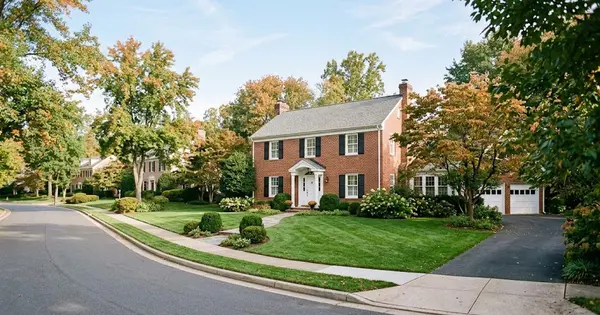
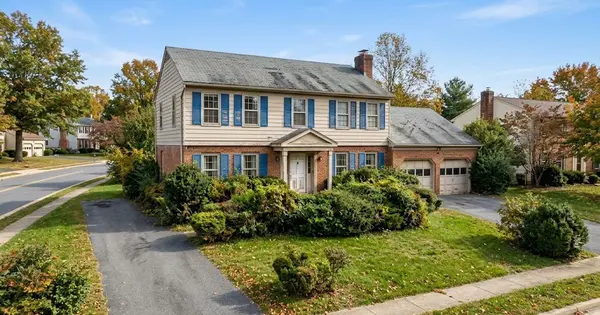
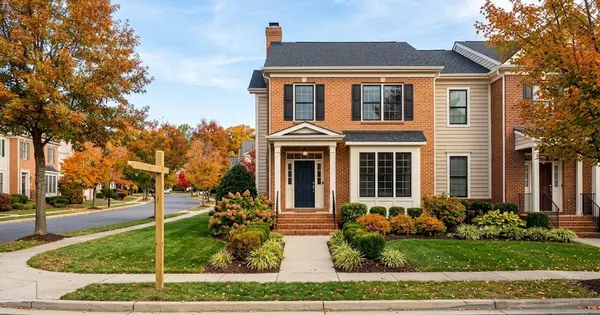
Curb appeal improvements deliver exceptional 100-150% ROI by creating powerful first impressions driving buyer interest and showing activity.
The First Impression Impact
Buyers form opinions within 30-60 seconds of arriving at properties—before even entering. Poor curb appeal triggers negative bias affecting entire showing, while excellent curb appeal creates positive momentum. Additionally, curb appeal directly affects online presentation—exterior photos are first images buyers see online, determining whether they schedule showings. Properties with weak curb appeal receive 30-50% fewer showing requests than comparable properties with excellent curb appeal.
This makes curb appeal improvements some of highest-ROI investments sellers make—relatively modest costs ($2,000-$8,000 typical) generate substantial returns through increased showing activity (more buyers viewing creates more offers and competition), stronger first impressions (buyers enter homes positively predisposed), and better online presentation (attractive exterior photos generate showing requests).
High-Impact Curb Appeal Improvements
Professional landscaping ($1,500-$4,000) including seasonal flowers, fresh mulch ($300-$600), pruned shrubs, edged beds, and healthy lawn creates immediate positive impact. Fairfax County buyers expect well-maintained landscapes—unkempt yards trigger concerns about overall property maintenance.
Front door replacement or refinishing ($500-$2,500) provides dramatic impact for modest cost. Fresh paint in bold but classic color (navy, black, deep red) or new door entirely (fiberglass or wood styles) creates focal point and welcoming entry. Returns 150-200% ROI through disproportionate visual impact.
Exterior lighting ($300-$1,500) including updated porch lights, path lighting, and landscape accent lighting enhances evening curb appeal and security perception. Modern fixtures replace dated brass or builder-grade lights.
Mailbox and house numbers ($100-$400) updating to modern styles shows attention to detail buyers notice. Simple improvement demonstrating property care.
Driveway and walkway repairs ($500-$3,000) addressing cracks, stains, or deterioration prevents negative impressions. Power washing ($200-$500) rejuvenates concrete or brick.
Window boxes and planters ($200-$800) add color and charm, particularly effective for townhouses or properties with limited landscaping space.
Seasonal Considerations
Curb appeal varies seasonally—spring and summer naturally showcase landscapes, while fall and winter require additional effort. For fall/winter listings, focus on: evergreen plantings providing year-round color, seasonal decorations (tasteful, not excessive), ensuring gutters/downspouts clean and functional (buyers notice these in winter), and addressing snow/ice promptly during showings.
Spring/summer listings benefit from: vibrant seasonal flowers, lush green lawns (fertilization and care weeks before listing), blooming shrubs and trees, and fresh mulch making beds pop.
The 10-Second Test
Stand at street viewing property as buyers will. What do you notice first? What creates positive versus negative impressions? Address anything drawing eye negatively (peeling paint, dead plants, cluttered porch, dated fixtures) and enhance elements creating positive impact (colorful flowers, well-maintained lawn, attractive door, clean exterior).
Objective feedback helps—ask friends or neighbors for honest first impression reactions, or hire professional stagers/agents for curb appeal consultations ($100-$300) identifying specific improvements with highest impact for your property.
Flooring Updates and Refinishing
Flooring improvements deliver 70-100% ROI when addressing worn or dated surfaces, with refinishing often proving more cost-effective than replacement.
Hardwood Refinishing
Hardwood floor refinishing ($3-$5 per square foot or $3,000-$6,000 for typical Fairfax County main level) transforms worn hardwood dramatically. Sanding removes surface damage and staining, refinishing with modern stain colors (gray tones popular currently, natural tones timeless) and protective polyurethane creates like-new appearance. ROI: 80-120% as buyers highly value hardwood floors and penalize worn hardwood while paying premiums for refinished.
When to refinish versus replace: refinish if hardwood structurally sound but surface-worn (scratches, dullness, light staining); replace if deeply damaged, severely cupped/warped, or boards beyond salvage. Refinishing costs 30-50% less than replacement while delivering similar buyer appeal when done well.
Carpet Replacement
Replacing worn, stained, or dated carpet delivers solid returns—$2-$6 per square foot installed ($2,000-$6,000 typical for bedrooms and upper level). Choose neutral colors (beige, gray, taupe) in quality but not luxury grades. Buyers expect clean, fresh carpet but won't pay proportionally for ultra-premium options.
When carpet replacement essential: visible stains or odors (pet damage), severe wear patterns, dated styles or colors (shag, bright colors, busy patterns), or age over 10-12 years even if superficially acceptable (buyers assume imminent replacement needed).
ROI: 70-90% as new carpet doesn't add significant perceived value but avoiding it costs 2-3x more in buyer price reduction demands when carpet obviously needs replacement.
Luxury Vinyl Plank (LVP) and Alternative Flooring
Luxury vinyl plank ($3-$7 per square foot installed) offers affordable hardwood alternative for areas where real hardwood impractical (basements, bathrooms, kitchens). Modern LVP looks remarkably like hardwood while providing waterproof, durable, low-maintenance surface. Growing Fairfax County buyer acceptance as quality has improved dramatically.
Tile updates for kitchens, bathrooms, entryways ($5-$15 per square foot installed depending on tile choice) modernize dated ceramic or vinyl. Large-format tiles (12x24, larger) in neutral colors provide contemporary look. Avoid small tiles, busy patterns, or trendy choices dating quickly.
Strategic Flooring Approach
Focus flooring investments on main level and master bedroom where buyers spend most time evaluating. Secondary bedrooms and basements receive less scrutiny—if budget limited, prioritize visible, high-traffic areas over less-visible spaces. Consistency matters: mixing too many flooring types creates disjointed feel. Ideal: hardwood main level, carpet bedrooms, tile bathrooms/laundry, with LVP acceptable for basements.
Minor Repairs with Major Impact
Small repairs costing $50-$500 often deliver outsized ROI by eliminating buyer concerns about property maintenance and reducing inspection negotiation issues.
The $50 Fix with $5,000 Impact
Minor defects disproportionately affect buyer perceptions—leaky faucet costing $50 to repair suggests poor overall maintenance, triggering buyer skepticism and lowball offers or inspection demands for thousands in other items. Meanwhile, properties showing meticulous maintenance command premium prices as buyers trust overall condition.
Strategic approach: systematically address all minor visible defects before listing rather than assuming buyers will overlook them. The collective impact of numerous small fixes creates "move-in ready" perception worth far more than individual repair costs.
High-Impact Minor Repairs
Fix all plumbing leaks ($50-$300 each)—dripping faucets, running toilets, slow drains. Replace cracked outlets/switches and cover plates ($2-$10 each). Repair loose cabinet handles, drawer pulls, doors ($10-$50 per item). Fix squeaky doors and stairs ($5-$30 per location with WD-40 or tightening hinges). Caulk around tubs, showers, sinks ($50-$150 for fresh caulking). Replace missing or broken light bulbs ensuring all fixtures work ($20-$50 total). Repair holes and cracks in walls ($100-$300 for typical home). Touch up paint scratches and scuffs ($50-$150). Replace worn weatherstripping on doors ($30-$100). Clean or replace HVAC filters ($15-$50). Repair torn window screens ($20-$50 per screen).
Total cost for comprehensive minor repairs: $500-$2,000 typical for Fairfax County home. ROI: 200-500% through preventing buyer concerns and inspection demands costing $2,000-$10,000 in negotiations.
Pre-Listing Inspection Strategy
Consider hiring pre-listing inspection ($400-$600) identifying all issues buyers would discover anyway. Address minor items proactively ($500-$2,000 typical) and major items strategically (repair, disclose, or price accordingly). This approach prevents buyer inspection surprises, demonstrates property care and transparency, reduces inspection negotiation leverage buyers have, and often saves thousands versus reactive repairs during buyer inspection negotiations where buyers demand excessive credits.
The Walk-Through Checklist
Systematically inspect property room-by-room noting everything needing attention. Invite honest friend or agent to provide objective feedback—sellers often overlook defects from daily familiarity that buyers immediately notice. Create repair list prioritized by visibility and buyer impact, addressing all items before listing or at minimum before photography and showings.
Professional Marketing Showcases Improvements
Improvements only deliver full value if marketed effectively. Our 1.5% listing fee includes professional photography and comprehensive marketing showcasing your improvements while saving over $10,000 on commission.
Energy Efficiency Improvements
Energy efficiency upgrades deliver modest direct ROI (50-80% typically) but provide indirect benefits through buyer appeal and reduced inspection concerns.
HVAC System Updates
HVAC replacement ($6,000-$12,000) delivers 60-80% ROI when systems truly at end of life (15-20+ years), becoming necessary for marketability rather than value-adding investment. Buyers increasingly demand functional, efficient HVAC and inspections flag old systems creating negotiation issues. However, replacing functioning 10-12 year systems proactively rarely justifies costs—buyers won't pay premium for new HVAC versus serviceable existing systems.
Strategic approach: if HVAC 15+ years, replacement before listing prevents inspection issues and buyer concerns. If 10-14 years, have serviced and provide documentation of functionality. If under 10 years, simply maintain.
Window Replacement
Window replacement ($800-$1,500 per window) delivers only 60-75% ROI as expensive improvement buyers don't proportionally value unless existing windows severely deteriorated. Modern energy-efficient windows provide utility savings but payback periods (10-20 years) exceed typical ownership horizons.
Consider window replacement only if: existing windows rotted, inoperable, or visibly deteriorated; single-pane windows in market expecting double-pane; or windows so dated they hurt property appeal. Otherwise, invest in higher-ROI improvements.
Insulation and Air Sealing
Attic insulation upgrades ($1,500-$3,000) and air sealing ($500-$1,500) improve energy efficiency but deliver only 50-70% direct ROI. Benefits include: lower utility bills (attractive to buyers though rarely quantified in offers), improved home comfort, and reduced HVAC strain (extending system life). Consider if energy bills notably high or home inspection likely to flag inadequate insulation.
Energy-Efficient Appliances
Modern Energy Star appliances provide efficiency benefits but buyers won't pay significant premiums for energy efficiency alone versus appearance and features. When replacing appliances, choose energy-efficient models as default (minimal cost difference from standard) but don't expect ROI from efficiency specifically—buyer appeal comes from modern appearance and functionality, not energy ratings.
Smart Home Features
Smart home technology appeals to tech-savvy buyers but delivers mixed ROI—some features add value, others prove neutral or even negative if overly complex.
High-Value Smart Features
Smart thermostats ($200-$400 installed) like Nest or Ecobee provide energy savings, convenience, and modern appeal buyers appreciate. ROI: 80-100% as modest cost with broad buyer appeal. Smart doorbells with cameras ($150-$300) enhance security and appeal to safety-conscious buyers. ROI: 70-90%. Smart door locks ($200-$400) provide keyless entry convenience. ROI: 60-80%.
These relatively simple, widely-adopted technologies demonstrate modernity without overwhelming buyers unfamiliar with smart home systems.
Lower-Value Smart Features
Whole-home automation systems ($5,000-$20,000+) often alienate buyers through complexity, compatibility concerns, and learning curves. Many buyers prefer installing their own smart systems rather than inheriting seller's choices. ROI: 30-50% as expensive systems provide limited buyer value.
Smart lighting, shades, appliances, and other advanced features appeal to some buyers while confusing or concerning others. Avoid expensive integrated systems unless property in ultra-premium category ($1M+) where tech-forward buyers expect such features.
Security System Considerations
Professionally-monitored security systems ($500-$2,000 equipment plus monthly fees) provide safety perception but don't significantly boost property values as buyers can add systems easily. If existing system, maintain it and mention in listings. If no system, don't install expecting ROI—invest in other improvements instead.
Smart Home Strategy
Add simple, widely-adopted smart features (thermostat, doorbell, locks) totaling $500-$1,000 demonstrating modernity. Avoid complex, expensive integrated systems most buyers won't value proportionally. Leave installation of advanced features to new buyers who can choose systems matching their preferences.
What NOT to Do Before Selling
Certain improvements waste money or even reduce buyer appeal, understanding what to avoid proves as important as knowing what to do.
Over-Improving for the Neighborhood
Luxury upgrades exceeding neighborhood standards rarely return investments. Example: installing $80,000 custom kitchen in $600,000 neighborhood where comparable homes have $30,000-$40,000 kitchens—buyers won't pay $80,000 premium for kitchen as overall home value constrained by location and comparable sales. ROI: 40-60% as excessive investment wasted.
Match improvement quality to neighborhood standards: mid-range updates for mid-market properties, luxury finishes only for premium locations where buyers expect and will pay for them.
Highly Personalized Improvements
Bold color choices, unusual layouts, themed rooms (sports team colors, specific hobby spaces), or unique design elements limit buyer appeal as most buyers struggle envisioning their uses for highly personalized spaces. ROI: 30-60% as improvements actually reduce rather than increase appeal to broad buyer base.
Stick with neutral, broadly-appealing choices allowing buyers to envision their own personalization rather than imposing yours.
Swimming Pools
In Fairfax County, pools prove neutral to negative value propositions. While some buyers desire pools, many view them as maintenance burdens, safety hazards (families with young children), or yard space reducers. Pool installation ($30,000-$80,000) typically returns only 0-40% as many buyers deduct value for pools versus adding it. Never install pool expecting ROI before selling—if pool exists, market to pool-desiring buyers while accepting many won't value it.
Major Additions
Room additions, second-story additions, garage additions ($50,000-$150,000+) rarely return costs (40-70% ROI typical) as expensive construction plus finished space costs don't translate proportionally to value increases. Buyers evaluate properties holistically—adding 500 square feet doesn't increase value by per-square-foot rate times 500; it increases by smaller amount accounting for overall property value in context.
Major additions only make sense for long-term ownership, not pre-sale improvements.
Trendy or Dated Improvements
Following current design trends (farmhouse, industrial, specific color schemes) dates properties as trends shift. Buyers in 3-5 years recognize designs as "so 2025" rather than timeless. Similarly, attempting to recreate dated styles (1980s brass fixtures, 1990s cherry cabinets) appeals to no one.
Choose classic, timeless designs and materials remaining appealing across decades rather than trendy choices dating quickly or dated styles already passed.
ROI Comparison by Improvement Type
Comprehensive ROI comparison helps sellers prioritize investments for maximum return.
| Improvement | Typical Cost | Typical ROI | Priority Level |
|---|---|---|---|
| Fresh Interior Paint | $2,000-$4,000 | 150-200% | Highest |
| Curb Appeal | $2,000-$8,000 | 100-150% | Highest |
| Minor Repairs | $500-$2,000 | 200-500% | Highest |
| Kitchen Updates (Moderate) | $5,000-$15,000 | 70-100% | High |
| Hardwood Refinishing | $3,000-$6,000 | 80-120% | High |
| Bathroom Updates (Moderate) | $3,000-$10,000 | 65-90% | High |
| Carpet Replacement | $2,000-$6,000 | 70-90% | High |
| Kitchen Renovation (Full) | $40,000-$60,000 | 60-80% | Moderate |
| Bathroom Renovation (Full) | $15,000-$30,000 | 65-80% | Moderate |
| Window Replacement | $8,000-$15,000 | 60-75% | Lower |
| Major Additions | $50,000-$150,000 | 40-70% | Avoid |
| Pool Installation | $30,000-$80,000 | 0-40% | Avoid |
Budget and Strategy Recommendations
Strategic improvement budgeting maximizes ROI while avoiding over-investment or under-investment mistakes.
Budget Tiers and Strategies
Minimal budget ($2,000-$5,000): focus exclusively on highest-ROI improvements—fresh paint throughout ($2,000-$4,000), minor repairs ($500-$1,500), basic curb appeal (flowers, mulch, cleaning) ($300-$800). This brings properties from "needs work" to "acceptable" preventing major buyer objections.
Moderate budget ($8,000-$15,000): add strategic updates beyond basics—paint and repairs as above, moderate kitchen updates (cabinet painting, hardware, lighting) ($3,000-$6,000), bathroom cosmetic refresh ($2,000-$4,000), enhanced curb appeal (landscaping, front door) ($1,500-$3,000), carpet replacement if needed ($2,000-$4,000). This achieves "move-in ready" status commanding premium prices.
Substantial budget ($15,000-$30,000): comprehensive improvements—paint, repairs, and curb appeal as above, more extensive kitchen updates (countertops, backsplash, appliances, cabinets) ($8,000-$15,000), bathroom renovation ($5,000-$12,000), flooring upgrades throughout ($4,000-$10,000). This creates competitive advantage in premium Fairfax County markets.
Luxury budget ($30,000-$60,000+): only appropriate for premium properties ($900,000+) where buyers expect luxury finishes—full kitchen renovation, multiple bathroom renovations, extensive flooring updates, high-end finishes throughout. Even in luxury tier, moderate quality improvements often deliver better ROI than ultra-premium choices.
The 5% Rule
General guideline: pre-sale improvements totaling 3-5% of anticipated sale price typically deliver positive ROI. On $675,000 Fairfax County home, that's $20,000-$34,000 budget. Below this, some obvious issues likely remain unaddressed; above this, diminishing returns and over-improvement risks increase.
However, actual optimal budget depends on current condition: well-maintained properties may need only 1-2% investment ($7,000-$13,500), while severely dated properties might justify 6-8% ($40,000-$54,000) though full ROI becomes uncertain at higher levels.
Prioritization Framework
When budget limited, prioritize in order: (1) Fresh paint and minor repairs (highest ROI, lowest cost). (2) Curb appeal (drives showings). (3) Kitchen and bathroom updates (buyers focus heavily on these spaces). (4) Flooring (visible, affects overall impression). (5) Other improvements as budget allows.
Never skip #1-2 to fund #3-5—paint and curb appeal deliver such strong returns they should always come first unless already recently completed.
Financing Improvement Costs
Most sellers fund improvements from savings, accepting near-term expense for increased sale proceeds. However, options exist when cash limited: home equity lines allowing pre-sale improvements repaid at closing from proceeds (verify lender allows this), personal loans (higher rates but unsecured), or credit cards for smaller improvements (pay off immediately from sale proceeds).
Avoid expensive financing unless improvement ROI clearly exceeds borrowing costs—borrowing $15,000 at 10% interest to fund improvements returning 70% ROI proves financially questionable.
Timing and Market Considerations
Improvement timing and current market conditions affect strategic decisions about which improvements make sense.
Allow Adequate Time
Quality improvements require time—rushing creates poor results undermining ROI. Typical timelines: paint (1-2 weeks including prep and drying), kitchen updates (2-6 weeks depending on scope), bathroom renovation (3-6 weeks), flooring (1-3 weeks), landscaping (1-2 weeks). Total timeline for comprehensive improvements: 6-12 weeks from planning to completion.
Plan backward from desired listing date ensuring improvements complete with buffer for delays, photography scheduling, and final preparations before launching marketing.
Market Condition Impacts
In strong seller's markets (2021-2022 dynamics), properties sell regardless of condition—improvement ROI decreases as buyers accept dated homes due to scarcity. In balanced markets (2026 current conditions), strategic improvements deliver strong returns by differentiating properties and meeting buyer expectations. In buyer's markets (2008-2011), improvements prove essential as abundant inventory means buyers demand move-in condition.
Current Fairfax County balanced market rewards strategic improvements while punishing neglect but doesn't require over-improvement—moderate, well-executed updates deliver optimal results.
Seasonal Timing
Spring listings benefit from natural curb appeal—focus improvements on interiors knowing landscapes showcase naturally. Fall/winter listings require extra curb appeal attention—invest more in evergreens, seasonal decorations, ensuring properties show well despite dormant landscapes. Summer move-in demand creates premium prices—target spring improvements for summer listings capturing peak buyer activity.
Professional Consultation
Before major improvement investments, consult experienced Fairfax County agents about: current property value establishing baseline, comparable properties and their conditions showing market standards, specific improvements delivering best ROI for your property and price point, and realistic value increases expected from various improvement options.
This consultation ($0—most agents provide free as part of listing services) prevents expensive mistakes like over-improving or investing in wrong improvements for market positioning.
Frequently Asked Questions
What home improvement adds the most value in Fairfax County?
Fresh neutral paint throughout delivers highest ROI (150-200%) through modest $2,000-$4,000 investment creating $3,000-$8,000 perceived value increase. Paint transforms properties dramatically—buyers perceive freshly-painted homes as well-maintained and move-in ready, worth premium prices versus identical homes with worn paint. Additionally, fresh paint photographs exceptionally well for online listings (95% of buyers screen properties online first), generates 40% more showings than dated paint, and prevents buyer mental deductions ($5,000-$8,000 typical) they make for repainting needs. Beyond paint, curb appeal improvements ($2,000-$8,000) deliver 100-150% ROI through powerful first impressions, and strategic kitchen updates ($5,000-$15,000 moderate improvements) return 70-100% by addressing space buyers scrutinize most heavily. The combination: fresh paint + curb appeal + strategic kitchen updates totaling $9,000-$27,000 typically generates $15,000-$50,000+ additional sale value (net $6,000-$25,000+ after improvement costs) while accelerating sales 30-60% through enhanced presentation attracting more buyers. Avoid expensive full renovations ($40,000-$60,000 kitchens, $15,000-$30,000 bathrooms) which often return only 60-80% as costs exceed value increases in mid-market Fairfax County properties.
Should I renovate my kitchen before selling in Fairfax County?
Strategic kitchen updates ($5,000-$15,000) usually make sense; full renovations ($40,000-$60,000+) rarely justify costs. Moderate improvements delivering best ROI: cabinet painting/refacing in white or neutral gray ($3,000-$8,000) dramatically updating appearance without full replacement, new countertops ($2,000-$8,000) replacing dated laminate or old granite with modern quartz, backsplash installation ($800-$2,500) adding visual interest with subway tile or simple mosaics, updated lighting ($500-$2,000) including under-cabinet LED and modern fixtures, new hardware ($200-$600) on existing cabinets, and appliance upgrades to stainless if currently white/almond ($2,000-$6,000 mid-range brands). Total $8,000-$15,000 investment returns 70-100% ($5,600-$15,000 value increase) bringing kitchens from "dated" to "acceptable/good." Full renovations ($40,000-$60,000 with custom cabinets, luxury finishes, structural changes) return only 60-80% ($24,000-$48,000 on $40,000-$60,000 spend) creating net losses of $12,000-$12,000 despite higher absolute value increases. Exception: severely dated dysfunctional 1970s-1980s original kitchens in premium locations ($900,000+ properties) where buyers expect luxury finishes—then full renovation makes sense though moderate still often delivers better ROI than ultra-premium approaches. Strategic approach: invest enough bringing kitchens to competitive market standards without exceeding neighborhood quality levels.
How much should I spend on home improvements before selling?
Optimal pre-sale improvement budget: 3-5% of anticipated sale price typically delivers positive ROI without over-investment. On $675,000 Fairfax County median home, that's $20,000-$34,000 total. However, actual optimal amount depends on current property condition and specific needs. Well-maintained properties needing only cosmetic freshening: $7,000-$15,000 (1-2% of value) in paint, minor repairs, curb appeal. Average properties with dated but functional kitchens/baths: $15,000-$25,000 (2-4%) adding strategic kitchen/bath updates, flooring, comprehensive cosmetics. Severely dated properties needing major updates: $25,000-$45,000 (4-7%) including more extensive renovations though full ROI becomes uncertain above 5% investment. Budget allocation guidance for $20,000 total: paint and minor repairs $3,000-$5,000 (highest ROI items come first always), curb appeal $2,000-$4,000 (drives showings and first impressions), kitchen updates $6,000-$10,000 (buyers focus heavily on kitchens), bathroom updates $3,000-$6,000 (second-priority space after kitchens), flooring if needed $3,000-$8,000 (visible, affects overall impression), contingency reserve $2,000-$3,000 (unexpected issues always arise). Avoid both under-investment (leaving obvious issues costing 2-3x more in buyer price reductions) and over-investment (luxury upgrades beyond neighborhood standards wasting capital buyers won't pay for).
Is it worth updating bathrooms before selling?
Yes, bathroom updates deliver solid 65-90% ROI when done strategically with moderate investment. Buyers scrutinize bathrooms heavily (second only to kitchens) and dated bathrooms trigger significant buyer price reductions or deal-killing objections. However, like kitchens, moderate updates deliver better ROI than full luxury renovations. Cosmetic bathroom updates ($2,000-$5,000 per bathroom): new vanity with modern style, updated faucets and fixtures (brushed nickel, matte black, chrome contemporary), fresh paint, new mirror and lighting, re-caulking tub/shower, new toilet if old/inefficient. Returns 80-100% bringing bathrooms from dated to acceptable. Mid-range bathroom renovations ($8,000-$12,000): above items plus new tile (shower/floor), tub/shower refinishing or replacement, updated flooring. Returns 70-90% creating modern, appealing spaces. Full luxury renovations ($15,000-$30,000): custom tile work, frameless glass showers, high-end fixtures, premium materials. Returns only 65-80% as costs exceed value buyers assign in mid-market properties. Prioritize master bathroom over secondary bathrooms if budget limited—master improvements deliver higher ROI (75-90% vs 65-80%) as buyers weight master bathroom condition more heavily in decisions. Half-bathrooms (powder rooms) require minimal investment ($1,500-$3,500) for solid returns (80-100%) through modern appearance in high-visibility spaces. Strategic approach: bring bathrooms to contemporary competitive standards without luxury excess matching neighborhood quality levels.
What should I not fix before selling my house?
Avoid improvements with poor ROI or limiting buyer appeal: (1) Over-improvements beyond neighborhood standards—$80,000 custom kitchen in $600,000 neighborhood returns only 40-60% as buyers won't pay proportionally for upgrades exceeding area norms. Match quality to neighborhood. (2) Highly personalized choices—bold colors, themed rooms, unusual layouts limit buyer appeal (30-60% ROI) as most buyers struggle envisioning their uses. Stick with neutral, broadly-appealing choices. (3) Swimming pools—installation ($30,000-$80,000) returns 0-40% in Fairfax County as many buyers view pools as burdens not benefits. Never install pool pre-sale. (4) Major additions—room/garage additions ($50,000-$150,000+) return only 40-70% as construction costs exceed proportional value increases. (5) Window replacement—unless severely deteriorated, new windows ($8,000-$15,000) return only 60-75% as buyers don't value enough to justify costs. (6) Luxury/smart home systems—whole-home automation ($5,000-$20,000+) returns 30-50% as complexity alienates many buyers. (7) Trendy improvements—following design trends dates properties quickly as styles shift; choose timeless classics. (8) Structural changes—moving walls, major reconfigurations cost enormously rarely returning investments. Also skip: converting bedrooms to other uses (reduces bedroom count buyers value), removing functional features (fireplaces, built-ins), over-landscaping with high-maintenance elements buyers may dislike. Focus investment on improvements proven to deliver positive ROI: paint, curb appeal, strategic kitchen/bath updates, flooring, minor repairs—the fundamentals buyers actually value and pay for.
Does new flooring increase home value?
Yes, flooring improvements deliver 70-100% ROI when addressing worn or dated surfaces. Buyers notice flooring prominently and penalize worn conditions while valuing updated floors. Hardwood refinishing ($3-$5 per square foot or $3,000-$6,000 typical main level) delivers 80-120% ROI by transforming worn hardwood into like-new appearance at fraction of replacement cost. Buyers highly value hardwood, paying premiums for refinished floors while demanding price reductions for worn, damaged wood. Carpet replacement ($2-$6 per square foot or $2,000-$6,000 typical bedrooms/upper level) returns 70-90%. New carpet doesn't add significant value but avoiding replacement costs 2-3x more in buyer price reductions when carpet obviously worn or stained. Choose neutral colors (beige, gray, taupe) in quality but not luxury grades. Luxury vinyl plank (LVP) installation ($3-$7 per square foot) provides affordable hardwood alternative for basements, bathrooms, kitchens, delivering 70-90% ROI. Modern LVP appearance and durability have improved dramatically with growing Fairfax County buyer acceptance. Tile updates ($5-$15 per square foot) for kitchens/bathrooms/entries modernize dated ceramic, returning 70-90%. Large-format tiles in neutrals provide contemporary look. Strategic approach: prioritize flooring in high-visibility areas (main level, master bedroom) where buyers spend most time evaluating; secondary areas receive less scrutiny if budget limited. Consistency matters—mixing too many flooring types creates disjointed feel. Ideal: hardwood main level, carpet bedrooms, tile baths. When NOT to replace: functional floors in good condition just because you personally dislike color/style—buyers may prefer existing, or at minimum won't pay enough premium to justify replacement costs of acceptable flooring.
How important is curb appeal when selling a home?
Curb appeal is critical—first impressions formed in 30-60 seconds arriving at property affect entire showing experience and buying decisions. Poor curb appeal triggers 30-50% fewer showing requests (buyers skip unappealing exterior photos online) and creates negative bias affecting home evaluation even if interiors excellent. Excellent curb appeal generates showing interest, creates positive momentum buyers carry through showings, and provides better online presentation (exterior photos are first images buyers see). This makes curb appeal improvements exceptional ROI (100-150% typical)—modest $2,000-$8,000 investments deliver substantial returns through: landscaping ($1,500-$4,000) including seasonal flowers, fresh mulch, pruned shrubs, healthy lawn creating immediate positive impact; front door replacement/refinishing ($500-$2,500) in bold classic color (navy, black, red) or new door creating welcoming focal point (150-200% ROI); exterior lighting ($300-$1,500) with updated fixtures enhancing evening curb appeal; mailbox and house numbers ($100-$400) showing attention to detail; driveway/walkway repairs ($500-$3,000) preventing negative impressions from cracks or staining. Power washing ($200-$500) alone transforms concrete, brick, siding. Total $2,000-$8,000 investment typically increases showing requests 30-50%, creates stronger first impressions improving offer quality, and adds $3,000-$12,000 perceived value (100-150% ROI). Curb appeal matters most for: online presentation (95% buyers screen online first—exterior photos determine showing interest), peak selling seasons when competing properties showcase well, and properties in competitive neighborhoods where differentiation matters. Even modest improvements (fresh mulch $300, seasonal flowers $200, power washing $300, total $800) deliver outsized impact through dramatically enhanced appearance.
Should I stage my home or make improvements?
Both when budget allows; prioritize improvements if forced to choose. Improvements add actual value buyers pay for; staging enhances presentation but doesn't fundamentally change property. Optimal sequence: (1) Complete all improvements first (paint, repairs, updates) creating best possible canvas. (2) Stage after improvements complete showcasing updated property optimally. If budget limited ($10,000 total), allocate: $7,000-$8,000 to improvements (paint, minor repairs, strategic updates), $2,000-$3,000 to staging (consultation or limited staging for key rooms). This delivers permanent improvements buyers value plus presentation enhancement. Never skip improvements to fund staging—staged dated kitchen still dated; unstaged updated kitchen still updated and valued. Staging benefits: helps buyers envision living in property, makes rooms appear larger and more functional, creates aspirational lifestyle appeal, photographs exceptionally well for online listings, and depersonalizes spaces allowing buyer visualization. Costs: staging consultation only ($200-$500) provides professional recommendations you implement; partial staging ($1,000-$2,500) for key rooms (living, dining, master); full staging ($3,000-$6,000+) for entire furnished property. ROI: staging delivers 5-10% faster sales and 1-3% higher prices on average—$1,500-$3,500 staging on $675,000 home generating $675-$2,025 direct value increase plus 1-2 week faster sale (saving $1,000-$2,000 carrying costs) for total benefit of $1,675-$4,025 on $1,500-$3,500 investment (roughly breakeven to slight positive). Improvements deliver better ROI, but combination of improvements PLUS staging creates optimal results when budget supports both.
How do I decide which improvements are worth making?
Systematic decision framework: (1) Assess current property condition honestly—what appears dated, worn, or deficient to objective viewer (not your familiarized eyes)? Invite honest friend or agent for feedback. (2) Research comparable sales in your neighborhood—what condition and features do recently-sold comparable properties have? Your improvements should bring property to competitive market standards, not exceed them. (3) Calculate potential ROI for each improvement—estimate cost and likely value increase (use ROI table earlier in article as guide). Prioritize improvements with 80%+ ROI. (4) Consider indirect benefits beyond direct ROI—faster sales (reducing carrying costs), more showings (creating competitive dynamics), better photos (increasing showing requests), reduced inspection drama. (5) Align with budget constraints—if limited budget, focus exclusively on highest-ROI items (paint, minor repairs, curb appeal). With larger budgets, add strategic kitchen/bath updates, flooring. (6) Match neighborhood standards—invest enough to be competitive but avoid exceeding area quality levels. $600,000-$700,000 Fairfax County homes need good finishes, not luxury; $900,000-$1,200,000+ homes justify premium materials. (7) Think like buyer not owner—what would YOU pay for if buying in this neighborhood? Focus on those items. Red flags indicating improvement not worthwhile: returns less than 60% ROI, highly personalized choice limiting appeal, far exceeds neighborhood standards, or trendy/dated style versus timeless. Green lights indicating worthwhile: returns 80%+ ROI, broadly appealing neutral choice, brings property to market standards, classic timeless style, or addresses obvious deficiency buyers would penalize. When uncertain, consult experienced agents familiar with your neighborhood and price point—they've seen buyer reactions to various conditions and can guide which improvements deliver results.
Will a fresh coat of paint really increase my home's value?
Yes, fresh paint delivers highest ROI of any pre-sale improvement (150-200% typical) through dramatic transformation at modest cost. $2,000-$4,000 complete interior painting investment creates $3,000-$8,000 perceived value increase plus substantial indirect benefits. Why paint works so effectively: (1) Psychological impact—buyers perceive freshly-painted homes as well-maintained, move-in ready, worth premium prices versus identical homes with scuffed, worn, dated paint. (2) Photography benefits—professional listing photos showcase properties far better with fresh neutral backgrounds versus marked walls; paint quality directly affects online presentation effectiveness. (3) Neutral colors maximize appeal—light grays (Agreeable Gray, Repose Gray), warm whites (Swiss Coffee, Alabaster), soft beiges allow buyers envisioning their furnishings versus being distracted by seller's bold choices. (4) Buyer mental accounting—buyers mentally deduct $5,000-$8,000 from value when they see homes needing paint (assuming they'll need to paint immediately), but don't add equivalent amounts for fresh paint creating asymmetric value perception working in sellers' favor. (5) Covers minor defects—fresh paint hides minor wall imperfections, scuffs, holes creating smoother, newer appearance. (6) Generates more showings—properties photograph better with fresh paint, getting 40% more online engagement and showing requests. (7) Accelerates sales—combined benefits of better presentation, more showings, stronger buyer appeal typically shorten selling period 2-4 weeks saving $2,000-$4,000 in carrying costs. Total paint benefit: $3,000-$8,000 direct value increase + 2-4 week faster sale ($2,000-$4,000 carrying cost savings) + reduced inspection negotiation (buyers less likely demanding credits when properties show pristinely) = $5,000-$15,000+ total benefit from $2,000-$4,000 investment. Absolutely worthwhile for virtually all Fairfax County sellers unless property freshly painted within past year.
Should I replace old appliances before selling?
Depends on condition and kitchen context. Replace if: appliances severely outdated (1980s-1990s colors like almond, harvest gold), mismatched (different colors/brands creating messy appearance), non-functional or barely functional (buyers will demand replacements anyway), or white appliances in otherwise-updated kitchen (stainless provides contemporary look buyers expect). Don't replace if: current appliances are stainless or black stainless in decent condition (even if 8-10 years old, functional modern-looking appliances acceptable), kitchen overall is dated (replacing appliances in dated kitchen doesn't meaningfully improve—update kitchen holistically or price accordingly), or appliances match overall home quality level (builder-grade appliances appropriate for starter home; luxury brands wasteful unless ultra-premium property). Replacement costs: mid-range stainless appliance package (refrigerator, range, dishwasher, microwave) $2,500-$4,500 from GE, Whirlpool, Samsung, KitchenAid. ROI: 60-80% as modern appearance matters but buyers won't pay full replacement cost premium. Avoid ultra-premium brands (Sub-Zero, Wolf, Miele $15,000-$30,000+ packages) unless property $1.2M+ where buyers expect them—mid-market properties buyers prefer mid-range appliances saving money for other priorities. Strategic approach: if appliances white/almond in otherwise-decent kitchen, stainless upgrades make sense ($2,500-$4,500 increasing value $1,500-$3,600). If appliances and entire kitchen dated, invest in broader kitchen updates (cabinet painting, countertops, backsplash, THEN appliances) rather than just appliances in dated kitchen. If appliances functional but aging (8-12 years), mention in disclosures and price accordingly rather than replacing speculatively—buyers may prefer different brands/styles anyway. Bottom line: appliances matter for overall kitchen presentation and buyer perception, but as part of holistic kitchen appearance not standalone focus.
What quick fixes add the most value before listing?
Quick, high-impact improvements deliverable in 1-2 weeks before listing: (1) Fresh paint ($2,000-$4,000, 1-2 weeks, 150-200% ROI)—highest-priority quick fix transforming appearance dramatically. Hire professional painters starting immediately. (2) Deep cleaning ($300-$600 professional service, 1-2 days)—spotless homes show infinitely better than dusty, dirty alternatives. Include carpet cleaning, window washing, appliance detailing, every surface. (3) Curb appeal basics ($500-$1,500, 1 week)—fresh mulch ($300-$600), seasonal flowers ($150-$400), lawn care ($100-$300), power washing ($200-$500) creates immediate positive first impression. (4) Minor repairs ($500-$1,500, 1 week)—fix everything broken or worn (leaky faucets, loose handles, torn screens, holes in walls, squeaky doors) demonstrating maintenance. (5) Light fixture updates ($300-$800, 1-2 days)—replacing dated brass or builder-grade fixtures with modern styles (brushed nickel, matte black, simple contemporary) throughout freshens appearance inexpensively. (6) Cabinet hardware ($150-$400, 1 day)—new kitchen/bathroom cabinet handles and pulls update appearance without cabinet replacement. (7) Decluttering and depersonalizing ($0-$500 for storage unit, 1 week)—remove 30-50% of furniture, all personal photos, collections, excess items creating spacious, neutral canvas. (8) Professional photography ($300-$600, 1 day shoot)—critical for online presentation; worth premium photographer showcasing improvements. Total quick-fix package: $4,000-$9,000 investment deliverable in 1-2 weeks generating $8,000-$20,000+ value increase (100-200% ROI) through transformed presentation. These improvements focus on appearance and presentation versus structural changes, making them quick to complete while delivering outsized buyer impact.
Home Improvement Terms Glossary
Understanding home improvement terminology helps navigate renovation decisions and contractor communications effectively.
Return on Investment (ROI): Measure of value improvement adds relative to cost, calculated as (Value Added ÷ Cost) × 100. Above 100% means profitable; below 100% means financial loss though sometimes strategically worthwhile.
Curb Appeal: Property's attractiveness from street view—first impression buyers receive arriving at home affecting showing experience and decisions dramatically. High curb appeal drives showing interest.
Staging: Professional arrangement of furniture, decor, and accessories creating aspirational lifestyle appeal helping buyers envision living in property while photographing well for online listings.
Cosmetic Improvements: Surface-level updates (paint, fixtures, hardware, cosmetic finishes) enhancing appearance without structural changes—typically high ROI due to low cost relative to impact.
Move-In Ready: Property condition requiring no immediate repairs or updates—buyers can move in and live comfortably. Fairfax County buyers increasingly demand move-in ready, paying premiums for this condition.
Over-Improving: Investing in upgrades exceeding neighborhood standards where buyers won't pay proportionally—luxury finishes in mid-market properties wasting capital through poor ROI (40-60% typical).
Neutral Colors/Finishes: Broadly-appealing paint colors, materials, and design choices (whites, grays, beiges, classic styles) maximizing buyer appeal versus bold or personalized choices limiting interest.
Kitchen Triangle: Efficient kitchen layout with sink, stove, and refrigerator forming triangle pattern—foundation of functional kitchen design buyers evaluate when viewing properties.
Hardwood Refinishing: Process of sanding wood floors removing surface damage, applying new stain color, and protective polyurethane finish creating like-new appearance at 30-50% cost of replacement.
Quartz Countertops: Engineered stone countertops combining natural quartz with resins—durable, low-maintenance, modern appearance Fairfax County buyers expect in updated kitchens. Mid-range option between laminate and exotic granite.
Luxury Vinyl Plank (LVP): Waterproof, durable flooring mimicking hardwood appearance—increasingly popular for basements, bathrooms, kitchens as quality has improved dramatically. Affordable hardwood alternative.
Pre-Listing Inspection: Seller-initiated inspection ($400-$600) identifying property issues before listing allowing proactive repairs preventing buyer inspection surprises and negotiation leverage.
Final Thoughts: Strategic Improvement Planning
Strategic pre-sale improvements represent one of the most powerful tools Fairfax County sellers possess for maximizing net proceeds and minimizing time on market—when executed wisely based on ROI analysis, market positioning, and buyer preferences rather than personal taste or emotional attachment.
The fundamental principles for successful improvement strategies:
- Fresh paint delivers highest ROI (150-200%) making it mandatory for virtually all sellers unless recently completed
- Curb appeal drives showings and first impressions—modest $2,000-$8,000 investment returns 100-150%
- Strategic kitchen updates ($5,000-$15,000 moderate) outperform full renovations ($40,000-$60,000+) on ROI despite lower absolute spending
- Bathroom modernization delivers solid 65-90% returns when done strategically without luxury excess
- Minor repairs provide outsized impact (200-500% ROI) preventing buyer maintenance concerns and inspection demands
- Avoid over-improving beyond neighborhood standards—luxury upgrades in mid-market properties waste capital
- Focus on neutral, broadly-appealing choices versus personalized selections limiting buyer pools
- Budget 3-5% of sale price ($20,000-$34,000 on $675,000 home) for optimal results without over-investment
The strategic approach combines: objective assessment of current property condition relative to market standards, prioritization of highest-ROI improvements addressing most visible deficiencies first, appropriate budgeting matching investment to property value and neighborhood context, quality execution through professional contractors or skilled DIY creating excellent finished products, and effective marketing showcasing improvements through professional photography and comprehensive exposure.
Successful sellers recognize improvements as business investments requiring strategic analysis and disciplined execution rather than emotional responses or personal taste indulgence. The goal isn't creating your dream home—it's creating the home most buyers in your market segment find appealing and worth premium prices, delivered at costs ensuring positive returns on investment.
When executed thoughtfully, strategic improvements deliver multiple benefits: higher sale prices (typically $15,000-$50,000+ on $675,000 Fairfax County median from $8,000-$25,000 investment), faster sales (30-60% timeline reduction through enhanced presentation and buyer interest), better online engagement (40-60% more showing requests from superior photography), reduced inspection drama (fewer buyer objections when properties show well), and competitive positioning (standing out from alternatives in competitive Fairfax County market).
The investment proves worthwhile for most Fairfax County sellers, transforming average properties into compelling options commanding premium prices while accelerating transactions through enhanced buyer appeal—delivering optimal net proceeds through strategic, disciplined improvement planning and execution.
Expert Guidance for Maximum Home Value
Strategic improvements deliver best results when combined with professional marketing and representation. Jamil Brothers Realty Group provides comprehensive support including: accurate property valuation establishing baseline value and improvement priorities, strategic improvement recommendations based on market data and buyer preferences, contractor referrals for quality work at fair pricing, professional photography showcasing improvements optimally, comprehensive marketing generating maximum buyer exposure, and expert negotiation capturing full value from improvements.
Our competitive 1.5% listing fees save over $10,000 on typical Fairfax County sales versus traditional 3% rates while delivering complete professional services—comprehensive marketing, expert guidance, strategic positioning—ensuring your improvements deliver maximum returns through effective presentation and skilled representation.
We've helped hundreds of Fairfax County sellers maximize net proceeds through strategic improvement recommendations and superior marketing showcasing properties at their best, delivering optimal financial outcomes.
This comprehensive guide to home value improvements provides educational information based on market data, professional experience, and typical ROI patterns in Fairfax County. Actual improvement ROI varies substantially based on specific property characteristics, current condition, neighborhood context, quality of execution, market timing, and numerous other factors. ROI percentages represent typical ranges—individual results may differ significantly. Cost estimates reflect current contractor pricing and material costs subject to change. This guide should not be considered professional advice regarding specific improvement decisions. Consult licensed contractors, professional appraisers, experienced real estate agents, and other qualified professionals before making significant improvement investments. Market conditions, buyer preferences, and design trends evolve affecting optimal improvement strategies. Information current as of early 2026 and subject to change as market dynamics shift.
Categories
- All Blogs (1168)
- Aldie (3)
- Ashburn (6)
- Buyer Guide (8)
- Buying a home (2)
- Buying Strategies (28)
- festivals (1)
- General Blog (66)
- Leesburg (5)
- Market Intelligence (29)
- Market Updates (8)
- Notable Properties For Sale (29)
- Real Estate Tips, News, and More (376)
- Seller Guide (2)
- Seller Guides (60)
- Selling Your Home (479)
- Sterling (6)
- Top Realtors in Northern Virginia (58)
Recent Posts
Message Sent!
Thank you for reaching out. Arslan & Saad have received your details and will be in touch shortly.
Need immediate assistance? Call or text 703-782-4830.