
February 2026 Housing Market Opens: What DMV Buyers and Sellers Are Walking Into
February 2026 Housing Market Opens: What DMV Buyers and Sellers Are Walking Into
February marks the unofficial start of spring market prep in the DMV. While the calendar still says winter, serious buyers are already hunting and motivated sellers are quietly positioning their homes. The question everyone's asking: what does this market actually look like right now—and how should you play it?
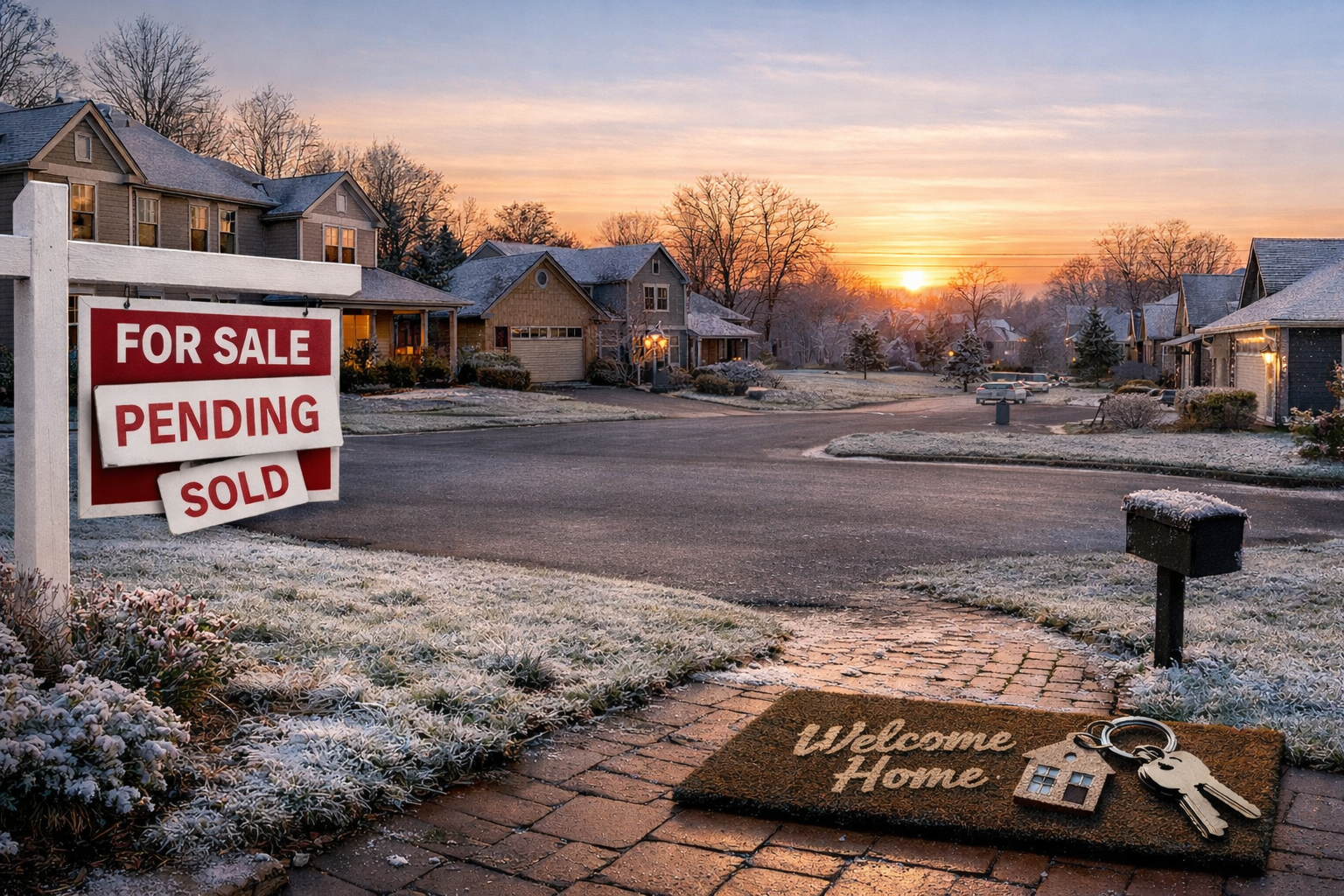
The numbers are telling a nuanced story this February. Mortgage rates have stabilized but remain elevated compared to pre-pandemic levels. Inventory is ticking up in some submarkets while staying constrained in others. And buyer demand—particularly in Northern Virginia's job-rich corridors—continues to outpace what's available. Whether you're buying or selling, understanding these dynamics will determine whether February becomes your opportunity or your frustration.
📊 Quick Facts at a Glance
- Mortgage Rates (30-yr fixed): Hovering in the mid-6% range as of early February 2026
- DMV Inventory: Up approximately 8–12% year-over-year in most Northern Virginia counties
- Median Days on Market: 18–25 days for well-priced homes in Fairfax and Loudoun
- Buyer Competition: Multiple offers still common on move-in-ready homes under $800K
- Seller Leverage: Strongest in close-in suburbs with Metro access and top-rated schools
📑 Table of Contents
🏠 Current Market Conditions
The February 2026 housing market in the DMV sits at an interesting inflection point. After years of extreme seller dominance, the scales have started to balance—though not evenly across all price points and locations. Active listings have increased modestly compared to the same time last year, giving buyers slightly more options than they've had since before the pandemic. However, "more options" is relative: desirable homes in prime locations still attract strong interest within days of hitting the market.
Price appreciation has cooled but hasn't reversed. Most DMV submarkets are seeing year-over-year gains in the 2–5% range, a far cry from the double-digit spikes of 2021–2022 but still indicative of sustained demand. The market isn't crashing—it's normalizing. And that normalization creates different opportunities depending on which side of the transaction you're on.
📅 Why February Matters
February is the market's warm-up lap. Serious buyers—the ones who've been pre-approved and are ready to act—start shopping now to get ahead of the spring rush. Sellers who list in late February or early March often capture this motivated early-bird pool before inventory balloons in April and May. The psychology shifts: January feels like recovery from the holidays, but February signals it's time to make moves.
Historically, homes listed in February in the DMV sell faster and closer to asking price than those listed in the summer glut. Less competition from other listings means more eyeballs on your property. For buyers, February offers a window to negotiate before the market heats up—especially on homes that have lingered since fall.
🔑 What Buyers Are Facing
Buyers in February 2026 are navigating a market that demands preparation but offers more breathing room than recent years. The days of waiving every contingency and offering $100K over asking on sight are mostly behind us—except for the most competitive listings. Today's buyers can often include inspection contingencies and take a few days to make decisions without automatically losing the deal.
That said, affordability remains the central challenge. With mortgage rates in the mid-6% range, monthly payments are significantly higher than they were when rates sat below 4%. A $600,000 home financed at 6.5% costs roughly $700 more per month than the same home at 3.5%. This math is pushing some buyers to recalibrate expectations—looking at smaller homes, different neighborhoods, or longer commutes than originally planned. Buyers actively searching can get a sense of current availability by browsing homes for sale in their target areas.
💡 Buyer Tip: Get fully pre-approved (not just pre-qualified) before you start touring homes. In a market where speed still matters on desirable properties, having your financing locked gives you a competitive edge.
💰 What Sellers Should Know
Sellers in February 2026 still hold advantages, but the margin for error has shrunk. Overpricing by even 5% can mean sitting on the market for weeks instead of days—and in today's environment, time on market raises buyer suspicion. Pricing strategy matters more now than it has in years. Starting with a professional home evaluation can clarify where your property should be positioned relative to recent comparable sales.
Condition also matters more. When buyers had no options, they'd overlook dated kitchens and deferred maintenance. Now, with slightly more inventory to choose from, move-in-ready homes command premiums while homes needing work face price negotiations. Sellers who invest in strategic updates—fresh paint, updated lighting, minor kitchen refreshes—typically see strong returns. The homes that sell fastest are the ones that photograph well and show well.
📍 Neighborhoods to Watch
Market conditions vary dramatically by location within the DMV. Here's how different areas are performing as February opens:
| Area | Market Temperature | Key Dynamics |
|---|---|---|
| Fairfax County | Hot | Strong demand in Vienna, McLean, and Reston; schools drive premiums |
| Loudoun County | Warm to Hot | Data center economy fuels buyer pool; new construction competing |
| Prince William County | Warm | Affordability draws first-time buyers; I-66 corridor gaining interest |
| Arlington / Alexandria | Hot | Urban walkability premium; condos seeing more inventory than SFH |
| Montgomery County, MD | Warm | Bethesda stays competitive; Silver Spring and Rockville more balanced |
| Washington, DC | Mixed | NW remains strong; condo market softer citywide |
📈 Rates and Affordability
Mortgage rates have been the story of the market for the past two years, and that continues in February 2026. After fluctuating through 2025, 30-year fixed rates have settled into the mid-6% range—higher than the historic lows of 2020–2021 but lower than the peaks seen in late 2023. Most economists project rates to remain relatively stable through the first half of 2026, with potential for modest decreases later in the year if inflation continues to cool.
For buyers, this means the "wait for rates to drop" strategy carries risk. If rates decline, home prices could rise as more buyers enter the market, potentially offsetting any savings. The math often favors buying now and refinancing later if rates improve significantly. For sellers, current rates are keeping some potential competitors (other sellers) locked into their low-rate mortgages, which continues to constrain inventory.
📊 Rate Reality Check: A 0.5% rate decrease on a $500K loan saves roughly $150/month. That matters—but waiting six months for that drop while prices rise 3% costs you $15,000 in purchase price. Run the numbers for your situation.
🌐 Northern Virginia Outlook
Northern Virginia continues to outperform most of the country in housing demand, and February 2026 is no exception. The region's economic fundamentals—federal employment, defense contractors, tech companies, and the data center boom—create a buyer pool that doesn't disappear even when rates rise. Amazon's continued HQ2 buildout in Arlington, ongoing expansion at Dulles Technology Corridor companies, and stable government employment all contribute to sustained demand.
The spillover effect remains strong. Buyers priced out of Fairfax County look to Prince William. Those priced out of Arlington explore Alexandria or Falls Church. And the continued expansion of remote work options means some buyers are willing to trade shorter commutes for more space in Loudoun or Fauquier counties. This ripple effect keeps the entire Northern Virginia market interconnected—what happens in one submarket influences the others.
⚖️ Pros and Cons Right Now
Every market has trade-offs. Here's an honest look at what February 2026 offers:
For Buyers:
- Pro: More negotiating power than any time since 2019 on many listings
- Pro: Less frantic competition means time to make informed decisions
- Pro: Early spring timing beats the rush
- Con: Rates remain elevated, impacting monthly payments
- Con: Inventory still limited in highest-demand areas
For Sellers:
- Pro: Demand remains solid in Northern Virginia's core markets
- Pro: February listing timing captures motivated early buyers
- Pro: Well-priced, move-in-ready homes still sell quickly
- Con: Overpricing punished more severely than in recent years
- Con: Buyers expecting concessions (closing costs, repairs) more often
Ready to see where you stand in this market?
🎯 How to Position Yourself
The February market rewards those who come prepared. Here's how to maximize your position on either side of the transaction:
If You're Buying:
- Get fully pre-approved with a reputable local lender who can close quickly
- Define your must-haves vs. nice-to-haves before you start touring
- Be ready to move within 48 hours on homes that check your boxes
- Consider homes that have been on market 20+ days—there's often room to negotiate
If You're Selling:
- Price based on current comps, not what your neighbor got 18 months ago
- Invest in professional photography and staging—first impressions happen online
- Address obvious maintenance issues before listing
- Consider timing: late February listings often outperform late March in this market
Sellers looking to maximize their net proceeds are increasingly exploring options like selling for 1.5% instead of traditional commission structures—a strategy that can save thousands without sacrificing exposure or service quality.
Let's Talk About Your February Move
Whether you're buying your first home, selling to upgrade, or exploring investment opportunities, the Jamil Brothers team can help you navigate this market with confidence. We know these neighborhoods, understand the numbers, and are here to make your move happen.
Categories
- All Blogs (1177)
- Aldie (3)
- Ashburn (6)
- Buyer Guide (8)
- Buying a home (2)
- Buying Strategies (29)
- festivals (1)
- General Blog (66)
- Leesburg (5)
- Market Intelligence (29)
- Market Updates (8)
- Notable Properties For Sale (29)
- Real Estate Tips, News, and More (376)
- Seller Guide (2)
- Seller Guides (60)
- Selling Your Home (487)
- Sterling (6)
- Top Realtors in Northern Virginia (58)
Recent Posts



Message Sent!
Thank you for reaching out. Arslan & Saad have received your details and will be in touch shortly.
Need immediate assistance? Call or text 703-782-4830.