
How Buyer Competition Is Shifting in Northern Virginia — And What It Means for Your Next Move

Buyer competition in the Northern Virginia housing market is changing, but it has not disappeared. Instead of every property attracting immediate offers, demand is becoming more selective. Accurately priced, move-in-ready homes in convenient locations can still receive strong early interest, while overpriced or poorly presented listings may take longer to sell and leave buyers with more negotiating room.
These conditions vary across the region. A Fairfax County condo, an Ashburn townhome, and a detached home in Prince William County compete within different price ranges and buyer pools. Even neighboring communities can show different patterns in inventory, days on market, sale-to-list price, concessions, and multiple-offer activity. That is why buyers and sellers should rely on recent Bright MLS data and genuinely comparable properties—not broad DMV headlines.
This guide combines regional market reporting with The Jamil Brothers Realty Group’s local experience across Fairfax County, Loudoun County, Prince William County, Arlington, and Alexandria. It explains where competition remains strongest, where leverage is shifting, and which signals to evaluate before making a move.
⚡ Quick Facts at a Glance
- Multiple-offer situations remain common in Northern Virginia but are becoming more neighborhood-specific rather than market-wide.
- Average days on market have ticked up slightly in several NoVA submarkets compared to 2023–2025 peaks.
- New listing activity has improved modestly, giving buyers slightly more selection in certain price ranges.
- Rate sensitivity is now a primary driver of buyer surges — even a 25-basis-point drop can trigger a wave of new offers.
- Price appreciation continues in most Northern Virginia ZIP codes, but the pace is more moderate than the pandemic-era spikes.
- Loudoun and Prince William County are absorbing a growing share of buyer demand as Fairfax County prices push more buyers outward.
📑 Table of Contents
- What Does "Shifting Buyer Competition" Actually Mean?
- Why This Matters for Buyers and Sellers Right Now
- The Economic Forces Reshaping Buyer Demand
- Timeline: How We Got Here and What's Next
- Where Competition Is Hottest (and Where It's Cooling)
- How This Shift Impacts Home Prices and Equity
- The Northern Virginia Advantage: Federal Jobs, Tech, and Stability
- Pros and Cons of Buying in a Shifting Market
- What Buyers and Sellers Should Do Right Now
- Frequently Asked Questions
🔍 What Does "Shifting Buyer Competition" Actually Mean?
When real estate professionals talk about "shifting buyer competition," they aren't saying the market has become easy. In Northern Virginia, competition among buyers is still a defining feature of the housing landscape. What's changing is the nature and distribution of that competition — where it's most intense, how it plays out in offers, and which buyers are winning.
During 2021–2023, nearly every listing in the DMV — from starter condos in Centreville to luxury homes in Great Falls — attracted multiple offers, often with escalation clauses, waived inspections, and appraisal-gap coverage. That environment made it almost impossible for certain buyer segments, especially first-time buyers and VA loan users, to compete.
In 2026, the picture is more nuanced. Competition is concentrating in specific price points, neighborhoods, and property types, while other segments are seeing more breathing room. Here's how that breaks down:
- Under $600K: This price band — where most first-time buyers and young families shop — remains fiercely competitive in Fairfax, Loudoun, and Prince William counties. Inventory at this level is still well below historical norms.
- $600K–$900K: The "move-up" range is seeing moderate competition. Buyers in this range are often contingent on selling their current home, which adds friction and slightly reduces bidding intensity.
- $900K–$1.5M: More balanced conditions are emerging here, particularly in newer subdivisions in Ashburn, South Riding, and Bristow where builder inventory has added options.
- $1.5M+: Luxury continues to operate on its own timeline. Competition exists but tends to involve fewer buyers making more strategic offers.
The bottom line: the market hasn't "cooled" — it has recalibrated. Understanding where competition is concentrated is the single most important factor for positioning your offer or your listing effectively.
💡 Why This Matters for Buyers and Sellers Right Now
Whether you're writing offers or preparing to list, the way buyer competition is shifting in Northern Virginia should directly influence your strategy. This isn't an academic conversation — it has real dollar-for-dollar consequences on what you pay, what you net, and how fast your transaction closes.
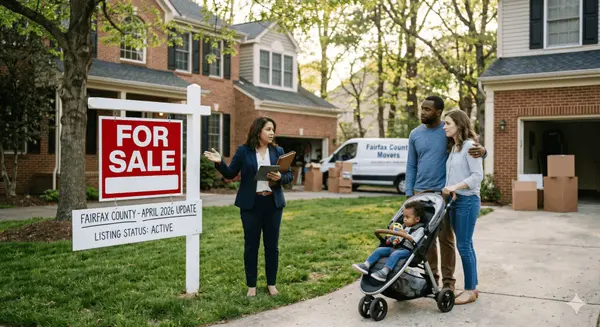
For buyers: The old playbook of "offer highest, waive everything, hope for the best" is no longer the only path. In neighborhoods and price points where competition has moderated, there's room to negotiate — sometimes on price, sometimes on seller credits, and frequently on inspection terms. That said, well-priced homes in high-demand areas are still drawing five, ten, even fifteen-plus offers. The key is knowing which type of market you're walking into before you write your offer.
If you're trying to get a clear sense of what's available right now, start browsing current Northern Virginia listings here — seeing real inventory is the fastest way to gauge competition levels in your target area.
For sellers: If you've been assuming your home will automatically attract a bidding war, it's time to pressure-test that assumption. Homes that are priced right, show well, and are located in high-demand pockets are still commanding strong offers and fast closings. But overpriced listings or homes in areas where inventory has improved are sitting longer and sometimes requiring price reductions — something that was virtually unheard of in 2022.
📊 The Economic Forces Reshaping Buyer Demand
Several overlapping economic factors are driving the shift in buyer competition across Northern Virginia. Understanding these forces helps explain why the market feels different depending on when and where you look.
Mortgage rates and rate sensitivity. Rates have fluctuated between the mid-6% and low-7% range for much of the past year, and every meaningful dip triggers a burst of buyer activity. This creates a "pulsing" market — weeks of relative calm followed by spikes in showing activity and offers when rates drop even slightly. Buyers who are ready to move quickly when rates dip have a significant advantage. If you haven't locked in a pre-approval yet, exploring your financing options now puts you ahead of the next wave.
The "lock-in effect." Millions of homeowners across the country — and hundreds of thousands in the DMV — locked in mortgage rates below 4% during 2020–2022. Many of these homeowners are reluctant to sell because doing so means trading their ultra-low rate for a significantly higher one. This is suppressing listing inventory and keeping competition elevated, especially in the most desirable neighborhoods.
Federal employment and defense spending. Northern Virginia's economy is anchored by federal employment, government contracting, and defense-tech. Even amid discussions about government efficiency and potential workforce restructuring, the long-term demand drivers — proximity to the Pentagon, intelligence community headquarters, and major federal agencies — continue to fuel housing demand from a stable, high-income buyer pool.
Tech sector resilience. Amazon's HQ2 in Arlington (National Landing), the expanding data-center corridor in Loudoun County, and a robust cybersecurity and cloud-computing ecosystem continue to attract well-compensated professionals to the region. These buyers tend to be less rate-sensitive and more decisive, contributing disproportionately to competition in the $500K–$1M range.
📅 Timeline: How We Got Here and What's Next
To understand the current shift, it helps to see the trajectory. Here's how buyer competition in Northern Virginia has evolved — and where it appears to be heading.
2020–2021: The pandemic surge. Record-low mortgage rates (dipping below 3%) combined with remote-work flexibility to unleash an unprecedented wave of buying activity. Homes in NoVA sold in days — sometimes hours — with offers 5–15% over asking price. Inspection waivers became routine. Appraisal gaps became a standard cost of winning.
2022: The rate shock. As the Federal Reserve began raising rates aggressively, mortgage rates climbed from ~3% to ~7% within months. Buyer activity dropped sharply. However, because inventory also fell (sellers didn't want to list), prices held firm in most Northern Virginia markets. Competition moderated but didn't collapse.
2023–2025: The new normal takes shape. Rates stabilized in the 6%–7.5% range. Buyers who needed to move accepted the higher-rate reality and re-entered the market. Competition intensified again — particularly in the spring — but became more uneven across price points and neighborhoods.
2026 and beyond: The recalibration continues. Market observers generally expect rates to remain in the 6%–7% range absent a significant economic disruption. If rates decline toward the mid-5% range, expect a substantial surge in both buyer activity and new listings as the lock-in effect weakens. In the meantime, competition continues to follow a pattern of concentration — hot in specific segments, manageable in others.
🏘️ Where Competition Is Hottest (and Where It's Cooling)
One of the biggest mistakes buyers make in this market is assuming competition is the same everywhere. It's not — and the differences between neighborhoods, even within the same county, can be dramatic. Here's the local breakdown.
Still fiercely competitive:
- Arlington (Clarendon, Ballston, Lyon Village): Walkability, Metro access, and proximity to D.C. and the Pentagon keep demand intense. Well-maintained single-family homes here routinely see 5–10+ offers.
- Falls Church City / McLean: Top-rated school districts and established luxury neighborhoods sustain premium demand, especially from families.
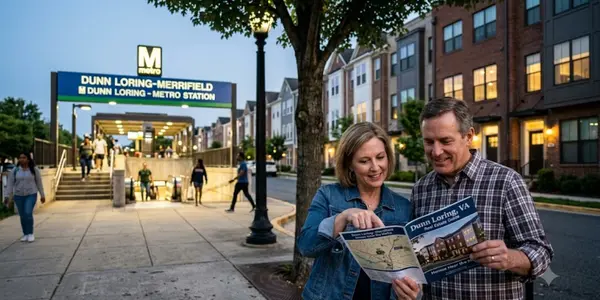
- Fairfax County close-in (Vienna, Oakton, Merrifield): These communities offer the combination of transit access, school quality, and relative value that drives consistent competition.
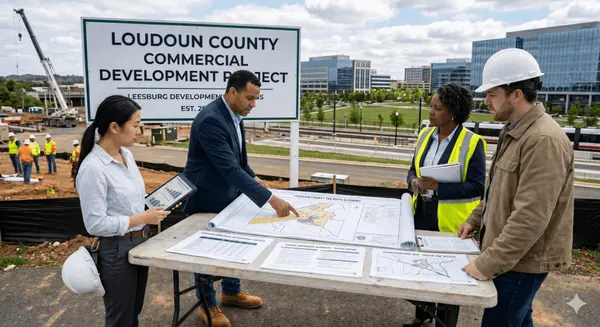
- Loudoun County — east (Ashburn, Brambleton, Lansdowne): Tech-sector buyers and young families continue to fuel strong demand in this growth corridor.
Competition moderating:
- Prince William County (Manassas, Gainesville, Bristow, Woodbridge): New-construction supply has improved options here, giving buyers more choices and slightly more negotiating room. However, well-priced resale homes still attract multiple offers quickly.
- Western Loudoun (Leesburg, Purcellville, Lovettsville): Beautiful horse country and rural-suburban communities are attracting remote workers, but the longer commute to D.C. limits the buyer pool compared to eastern Loudoun.
- Fairfax County outer (Springfield, Burke, Lorton): Slightly more inventory and a broader mix of property types have softened competition in spots, though the area remains solidly a seller's market by historical standards.
Knowing exactly which micro-market you're entering allows you to calibrate your offer strategy accordingly. If you're exploring multiple areas, search current listings by neighborhood and price to see real-time activity levels.
🏡 How This Shift Impacts Home Prices and Equity
Buyer competition is the single biggest driver of home price appreciation. When multiple buyers fight over the same home, the sale price gets pushed above list price — and those comparable sales then raise the baseline for the next round of listings. That cycle has powered price growth across Northern Virginia for years. But as competition recalibrates, the price picture is becoming more nuanced.
Where prices continue to climb: In the high-demand areas listed above — Arlington, close-in Fairfax, eastern Loudoun — prices are still appreciating, generally in the range of 3–6% year-over-year depending on the neighborhood and price segment. Supply simply hasn't kept pace with demand in these areas.
Where price growth is flattening: In pockets where new construction or improved inventory is giving buyers more options, price appreciation has slowed to 1–3% or, in a few cases, has plateaued. This isn't a price decline — it's a normalization. And for buyers, it means slightly better value relative to the peak frenzy.
For sellers, this shift makes accurate pricing more important than ever. Overpricing by even 3–5% in a segment where competition has moderated can result in a listing that sits, accumulates days on market, and ultimately sells for less than it would have at the right price. Getting a data-driven home valuation is the smartest first step before setting your list price.
For homeowners watching their equity: Even in a normalizing market, most Northern Virginia homeowners have built significant equity over the past several years. The key is understanding what your specific home is worth in today's market — not six months ago. Home values are increasingly property-specific and neighborhood-specific rather than following a broad regional trend.
Ready to understand where you stand?
🌐 The Northern Virginia Advantage: Federal Jobs, Tech, and Stability
Not every housing market in the country is experiencing what Northern Virginia is experiencing — and that's worth understanding. The DMV's competitive dynamics are driven by structural advantages that most metro areas simply don't have.
Federal employment as a demand floor. The concentration of federal agencies, military installations, and intelligence community facilities in and around Northern Virginia creates a persistent baseline of housing demand that exists regardless of economic cycles. While private-sector layoffs can reduce buyer pools in other markets, the federal workforce provides NoVA with a demand floor that other regions lack.
The defense-tech ecosystem. Northern Virginia is home to more defense and intelligence contractors per capita than virtually any region in the country. Companies like Leidos, Booz Allen Hamilton, General Dynamics, and SAIC are headquartered or have major presences here. These high-paying jobs generate consistent demand for housing — particularly in the $500K–$1.2M range that represents the majority of single-family transactions in Fairfax and Loudoun counties.
Amazon HQ2 and the broader tech pull. Amazon's continued investment in National Landing has ripple effects across the Northern Virginia housing market. Beyond Amazon itself, the concentration of cloud computing, cybersecurity, and AI-related firms — many drawn by the data-center infrastructure in Loudoun County — continues to attract a younger, tech-savvy buyer demographic with strong purchasing power.
For sellers, this means your buyer pool includes some of the most financially stable and motivated purchasers in the country. For buyers, it means Northern Virginia real estate has historically been one of the most resilient investments in the mid-Atlantic — and the underlying demand drivers show no signs of weakening. If you're thinking about buying and want to understand your lending options and purchasing power, getting that clarity early gives you a real advantage.
⚖️ Pros and Cons of Buying in a Shifting Market
A shifting competitive landscape creates both opportunity and uncertainty. Here's an honest assessment of what buyers face right now in Northern Virginia.
Pros:
- More negotiating room in certain segments. If you're targeting a price point or neighborhood where competition has softened, you may be able to negotiate on price, request seller credits for closing costs, or keep your inspection contingency — things that were nearly impossible during peak frenzy.
- Less pressure to make snap decisions. In some submarkets, homes are staying on the market for a week or two rather than selling in 48 hours. This gives you time to evaluate properly.
- Future equity upside. Buying in a high-demand market during a temporary pause in competition can be a smart long-term wealth-building play. Northern Virginia's economic fundamentals strongly support continued appreciation.
- Seller concessions on the table. Some sellers — particularly those with new construction or in slightly slower segments — are offering rate buydowns, closing-cost credits, or other incentives that reduce your effective cost.
Cons:
- Hot pockets remain extremely competitive. If you're targeting the most desirable areas at the most popular price points, expect to compete — hard. Multiple offers, escalation clauses, and limited contingencies are still the reality in many scenarios.
- Rates are still elevated. Even if competition on the home price has softened, your monthly payment is significantly higher than it would have been at 2021 rates. This affects affordability calculations directly.
- Uncertainty about rate direction. Nobody knows with certainty where rates will be in 6–12 months. Waiting for a "perfect" rate environment is a gamble that could mean competing in a much more aggressive market later.
- Inventory remains structurally low. While the worst of the inventory crisis may be easing, Northern Virginia is still well below the 4–6 months of supply that characterizes a balanced market.
For sellers who want to maximize their net proceeds during this recalibration, it's worth exploring how listing at a reduced commission rate can meaningfully increase your bottom line — especially when every dollar of pricing strategy matters more than it did during the bidding-war era.
✅ What Buyers and Sellers Should Do Right Now
Whether you're buying or selling, the playbook for success in a shifting market is different from what worked two years ago. Here's what we're advising our clients at The Jamil Brothers Realty Group.
If you're buying:
- Get pre-approved — not just pre-qualified. A full pre-approval letter demonstrates to sellers that you're a serious, vetted buyer. In multiple-offer situations, it can be the difference between winning and losing.
- Know your "competition zone." Work with your agent to understand exactly how competitive your target neighborhoods and price points are right now. This intelligence informs every aspect of your offer strategy.
- Be ready to move fast — selectively. In hot pockets, you still need to be prepared to make a strong offer within 24–48 hours of a listing going live. In cooler segments, you have more time, but hesitation can still cost you a great home.
- Consider rate buydowns and creative financing. Even if you can't control mortgage rates, you can explore options like seller-funded temporary rate buydowns or adjustable-rate products that lower your initial monthly payment.
- Don't try to time the market perfectly. The best time to buy is when you find the right home at a price you can afford with terms that work for your life. Waiting for rates to drop further could put you in competition with a surge of other buyers who had the same idea.
If you're selling:
- Price with precision. Overpricing is the most expensive mistake a seller can make in a shifting market. Start with a thorough market analysis that accounts for current buyer competition in your specific micro-market.
- Invest in presentation. Staging, professional photography, and targeted pre-listing repairs can generate a return of 3–5x their cost by accelerating your sale and maximizing your sale price.
- Launch strategically. Timing your listing to coincide with peak buyer activity (Thursday/Friday launches, spring surge, rate-dip windows) can mean the difference between three offers and ten.
- Protect your bottom line on commission. In a market where every percentage point of your sale price matters, our 1.5% listing program keeps more money in your pocket without sacrificing marketing quality or buyer reach.
❓ Frequently Asked Questions
Is the Northern Virginia housing market still competitive in 2026?
Yes, but the nature of competition has shifted. Well-priced homes in high-demand areas like Arlington, Vienna, and eastern Loudoun still attract multiple offers. However, some price ranges and outer suburbs have seen competition moderate, giving buyers slightly more negotiating room.
Are bidding wars still happening in Fairfax County?
Bidding wars remain common for homes priced under $600K and in top school districts. At higher price points or in areas with improved inventory, multiple-offer scenarios still occur but are less intense than the pandemic-era peaks.
What is causing buyer competition to shift in NoVA?
Several factors are driving the shift: higher mortgage rates filtering out some buyers, modest inventory improvements from new construction, the rate lock-in effect suppressing listings, and changing buyer demographics as tech and federal employment patterns evolve. The result is competition that's more concentrated in specific segments rather than universal.
Should I wait for mortgage rates to drop before buying in Northern Virginia?
Waiting carries risk. If rates drop significantly, a wave of new buyers will enter the market simultaneously, likely re-intensifying competition and pushing prices higher. Many buyers find it more advantageous to purchase now at a negotiable price and refinance later if rates decline.
Where is buyer competition cooling down the most in the DMV?
Competition has moderated most noticeably in parts of Prince William County (Gainesville, Bristow, Woodbridge), western Loudoun, and some outer Fairfax County communities like Springfield and Burke. New construction in these areas has added options that reduce the pressure on resale listings.
How does buyer competition affect home prices in Northern Virginia?
Competition directly drives prices. When multiple buyers bid on the same home, the sale price exceeds the list price, which then raises comparable sale values for the entire neighborhood. As competition moderates in some areas, price appreciation is slowing from the 8–12% annual rates seen during the peak to a more sustainable 3–6% range in many NoVA markets.
Is it a good time to sell a home in Northern Virginia?
For most sellers, conditions remain favorable. Inventory is still below historical norms, meaning well-presented and properly priced homes sell relatively quickly. The key difference from prior years is that pricing strategy and presentation quality matter more — sellers can't rely on market frenzy alone to drive up offers.
What should first-time buyers know about competing in the Northern Virginia market?
First-time buyers should get fully pre-approved before beginning their search, target neighborhoods where competition aligns with their budget, and work with an agent who understands hyper-local conditions. In some segments, seller concessions and rate buydowns are now negotiable — something that was nearly impossible during the most competitive periods.
How does the Amazon HQ2 expansion affect buyer competition in Northern Virginia?
Amazon's continued buildout in National Landing (Arlington) and the broader tech ecosystem it has attracted are significant demand drivers. Tech employees tend to be well-compensated and motivated buyers, adding competitive pressure particularly in the Arlington, Reston, Herndon, and Ashburn corridors. The ripple effects extend throughout the region.
Can I negotiate on price in Northern Virginia right now?
It depends on the specific property and submarket. In segments where competition has moderated — certain price ranges, new construction, outer suburbs — there is room to negotiate on price, closing costs, or contingency terms. In the hottest markets, strong offers at or above asking price remain the norm. An experienced local agent can tell you exactly where you stand.
Your Next Move Starts Here
Whether you're buying, selling, or just exploring your options in Northern Virginia — The Jamil Brothers Realty Group is here to help you navigate this shifting market with confidence.
📞 703-782-4830 | Serving Fairfax, Loudoun, Prince William, Arlington, Alexandria & the DMV
Categories
- All Blogs (1235)
- Buyer Guide (7)
- Buying a home (2)
- Buying Strategies (30)
- festivals (1)
- General Blog (65)
- Market Intelligence (28)
- Market Updates (7)
- Notable Properties For Sale (32)
- Real Estate Tips, News, and More (396)
- Seller Guides (58)
- Selling Your Home (523)
- Top Realtors in Northern Virginia (58)
Recent Posts





Let's Connect