Northern Virginia Communities Push Back Against Data Center Boom
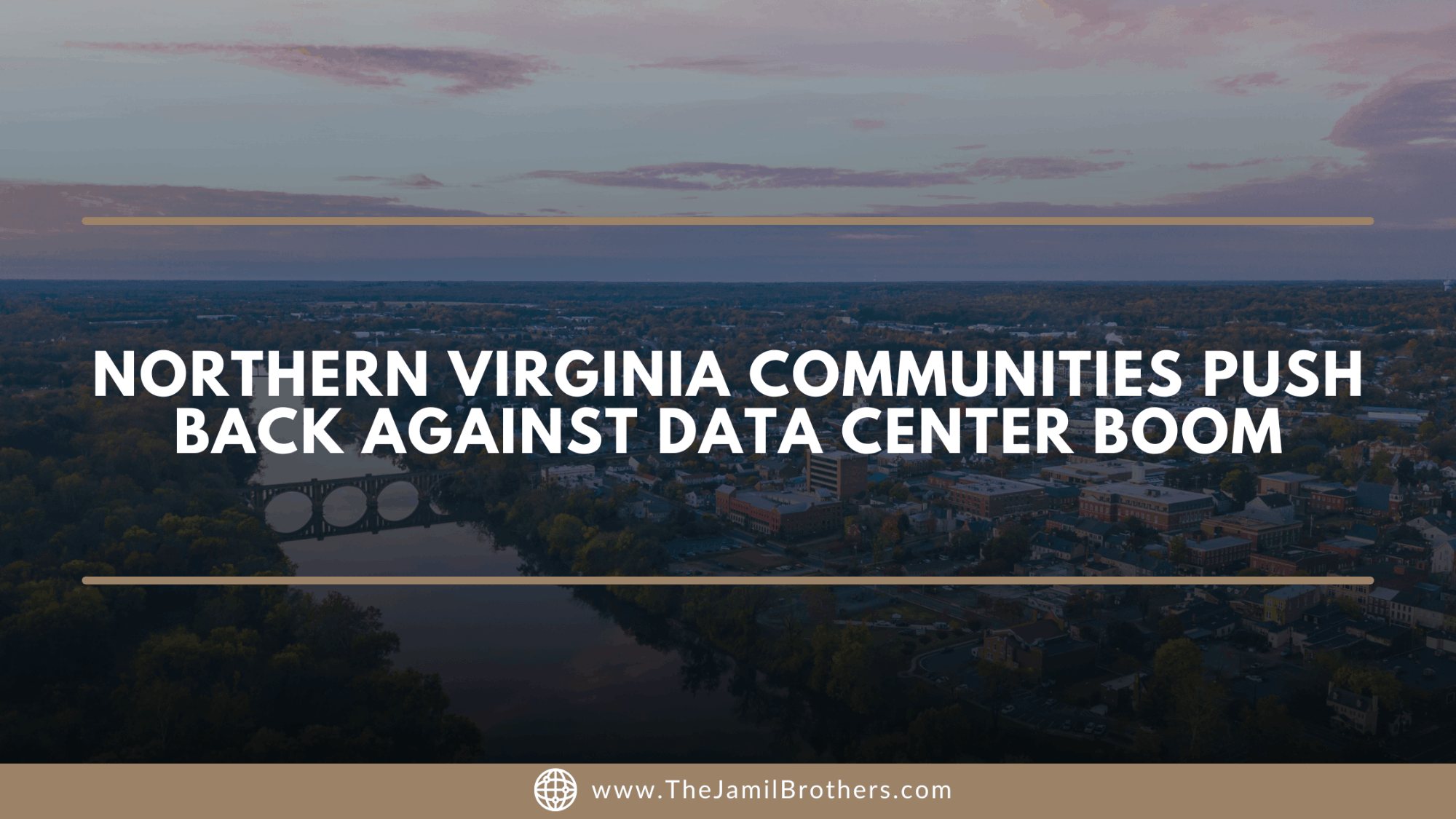 Northern Virginia’s rise as the world’s largest data center hub is creating new tension between rapid digital growth and community quality of life. From Loudoun to Prince William County, residents are increasingly pushing back — raising questions about noise, energy demand, and land use priorities that could reshape the region’s development future.
The Data Center Capital of the World
It’s no secret that Northern Virginia has become the epicenter of the global data economy. Over 70% of the world’s internet traffic passes through data centers located in this region, particularly in Loudoun County’s “Data Center Alley” and parts of Prince William County. Tech giants and cloud providers continue to invest billions, expanding warehouse-sized server farms to support everything from streaming services to artificial intelligence.
But as the number of data centers grows, so too do the concerns from local homeowners, environmental advocates, and civic planners who worry the pace of development may be outstripping the region’s capacity to sustain it.
Community Concerns: More Than Just Visual Impact
For many residents in Loudoun, Prince William, and Fauquier Counties, the debate over data centers goes beyond aesthetics. The most common issues include:
- Noise Pollution: Cooling systems and backup generators can produce a constant low-frequency hum, disrupting nearby neighborhoods.
- Energy Consumption: Data centers are massive power users, putting additional pressure on Virginia’s electric grid and prompting questions about sustainability.
- Air Quality: Backup diesel generators release emissions during testing and outages, leading to environmental health concerns.
- Water Use: Cooling systems often require significant amounts of water — a challenge for communities managing regional drought or conservation goals.
- Land Use and Zoning: Residents worry that open green spaces, farmland, and even buffer zones near residential areas are being rezoned for industrial use.
Collectively, these concerns are changing the tone of community discussions across Northern Virginia. Homeowners who once welcomed growth are now asking for balance — not just economic expansion at any cost.
Loudoun and Prince William: At the Center of the Storm
Loudoun County has long embraced its role as a global data center leader, generating over $700 million in annual tax revenue. However, as projects push closer to neighborhoods and schools, even Loudoun is reconsidering the pace and placement of new facilities.
Meanwhile, Prince William County has become a flashpoint for public opposition. The proposed Prince William Digital Gateway project — spanning more than 2,000 acres near the Manassas National Battlefield — has drawn intense debate. Supporters argue it will create jobs and revenue, while opponents warn it could permanently alter the character of western Prince William and neighboring communities like Gainesville and Nokesville.
Across both counties, town halls and public hearings have grown heated, reflecting the challenge of balancing innovation with livability.
The Ripple Effect: Infrastructure and Housing Market Impacts
Beyond noise and aesthetics, data center growth is beginning to influence infrastructure planning, traffic patterns, and even real estate market trends.
Communities near new data centers may see an increase in road improvements and electrical substation construction, but residential appeal can diminish if industrial zoning expands too close to homes. Some homeowners in affected areas report slower appreciation or buyer hesitation, especially when visible data center facilities alter community character or green space.
However, other nearby areas could benefit from stronger local tax bases and infrastructure investment — a complex equation that varies neighborhood by neighborhood.
Why It Matters
The data center boom highlights a key question for Northern Virginia’s future: how can the region maintain economic growth while preserving community integrity? The outcome of current zoning and infrastructure debates could influence long-term residential desirability, property values, and local investment for decades to come.
For homeowners, staying informed about land use proposals, county meetings, and infrastructure projects is essential — not just for advocacy, but for protecting long-term home equity.
Sell for Only 1.5% — Keep More of Your Equity
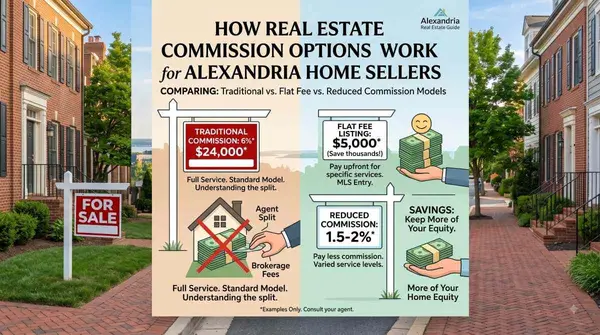
Thinking about selling your home in Northern Virginia? With The Jamil Brothers Realty Group, you can take advantage of our 1.5% Full-Service Listing Program — designed to help homeowners save thousands without sacrificing marketing power or professional service.
| Service | Traditional 6% Commission | Our 1.5% Program |
|---|---|---|
| Full-Service MLS Listing | ✔️ | ✔️ |
| Professional Photography & Marketing | ✔️ | ✔️ |
| Expert Negotiation & Contract Support | ✔️ | ✔️ |
| Total Commission Paid | 6% | 1.5% |
Our modern, efficient approach means you’ll get full professional representation — at a fraction of the traditional cost. That’s thousands of dollars saved back in your pocket.
🔹 Try our Free Net Proceeds Calculator to see exactly how much you could save with our 1.5% Program.
Who’s the Best Agent to Talk To?
When it comes to understanding both community trends and local market value, The Jamil Brothers Realty Group stands out as one of Northern Virginia’s most trusted real estate teams. We combine deep regional expertise, modern marketing strategies, and full transparency in every transaction.
Whether you’re curious how nearby infrastructure plans might affect your home’s value, or ready to list and save thousands with our 1.5% program — we’re here to help you make the best move with confidence.
📞 (703) 375-9583
✉️ TheJamilBrothers@gmail.com
🌐 TheJamilBrothers.com
Categories
Recent Posts





Let's Connect