
8 Simple Steps to Selling a Home in Virginia | Complete 2026 Guide
8 Simple Steps to Selling a Home in Virginia: Your Complete 2025 Guide
Updated January 2025 · 18 min read
Selling a home in Virginia involves more than putting a "For Sale" sign in your yard and waiting for offers. From Northern Virginia's competitive submarkets to the coastal communities of Hampton Roads and everywhere in between, Virginia homeowners face unique considerations—including specific disclosure requirements, regional pricing dynamics, and a real estate process shaped by both local customs and state law.
Whether you're relocating for a new job, upsizing for a growing family, or downsizing after retirement, understanding the home selling process will help you avoid costly mistakes and maximize your final proceeds.
This guide breaks down the eight essential steps to selling your Virginia home—from initial preparation through closing day—so you can approach each phase with confidence.
Quick Answer
Selling a home in Virginia typically takes 60–90 days from listing to closing and involves eight key steps: preparing your home, choosing the right agent, pricing strategically, marketing effectively, managing showings, negotiating offers, navigating inspections and appraisals, and completing the closing process. Virginia sellers should budget 8–10% of the sale price for total selling costs, including agent commissions, transfer taxes, and closing fees.
Key Takeaways
- Preparation pays off: Homes that are properly prepared and staged sell faster and for more money than those listed "as-is."
- Agent selection matters: The right listing agent can mean the difference of tens of thousands of dollars in your final net proceeds.
- Pricing is strategic: Overpricing leads to longer market times and often lower final sale prices than accurate initial pricing.
- Virginia has specific requirements: State-mandated disclosures, regional transfer taxes, and local customs affect your transaction.
- Closing costs add up: Budget 8–10% of your sale price for commissions, taxes, title fees, and other expenses.
- Commission is negotiable: Full-service options like 1.5% listing fee programs can save thousands without sacrificing service quality.
Table of Contents
Step 1: Prepare Your Home for Sale
First impressions drive buyer decisions. Before your home hits the market, invest time in preparation that will pay dividends through faster sales and higher offers.
Declutter and Depersonalize
Buyers need to envision themselves living in your space. Remove personal photographs, collections, and excess furniture. The goal is creating a clean canvas that allows buyers to imagine their own belongings in each room.
Consider renting a storage unit for items you want to keep but don't need during the selling process. Virginia's competitive markets—especially in Northern Virginia communities like Fairfax, Loudoun County, and Prince William County—reward sellers who present move-in-ready homes.
Complete Necessary Repairs
Address obvious maintenance issues before listing. Buyers in Virginia often request home inspections, and visible problems create negotiating leverage for price reductions.
Focus on:
- Leaky faucets and running toilets
- Cracked tiles or damaged flooring
- Peeling paint or wall damage
- HVAC filter replacement and basic servicing
- Broken light fixtures or non-functioning outlets
- Deck or patio repairs (especially important for outdoor-focused Virginia buyers)
Boost Curb Appeal
Virginia's four-season climate means exterior presentation matters year-round. Fresh mulch, trimmed landscaping, a clean driveway, and an inviting front entrance set the tone before buyers step inside.
Simple improvements like painting your front door, updating house numbers, or adding seasonal plants can significantly impact buyer perception without major investment.
Consider Professional Staging
Staged homes typically sell faster and for higher prices. If professional staging isn't in your budget, focus on arranging furniture to maximize space, adding fresh flowers or plants, and ensuring every room has a clear purpose.
Pre-Listing Home Preparation Checklist
| Task | Priority | Estimated Cost |
|---|---|---|
| Deep cleaning (whole house) | High | $200–$500 |
| Interior painting (touch-ups) | Medium | $300–$1,500 |
| Landscaping refresh | High | $200–$800 |
| Minor repairs | High | $100–$500 |
| Professional staging | Medium | $1,000–$3,000 |
| Carpet cleaning | Medium | $150–$400 |
Cost estimates are approximate and vary by home size and location within Virginia.
Step 2: Choose the Right Listing Agent
Your listing agent is your most important partner in the home selling process. The right agent brings local market expertise, negotiation skills, marketing capabilities, and guidance through Virginia's specific requirements.
What to Look for in a Virginia Listing Agent
When interviewing potential agents, evaluate them on these criteria:
Local market expertise: Does the agent understand pricing trends in your specific community? Northern Virginia, Hampton Roads, Richmond, and rural Virginia markets operate very differently.
Recent sales history: Ask for examples of similar homes they've sold in the past 12 months. Look at their list-price-to-sale-price ratio and average days on market.
Marketing plan: How will they market your home? Professional photography, 3D tours, targeted digital advertising, and strategic open houses should all be part of the plan.
Communication style: How often will they update you? Do they respond promptly? Clear communication reduces stress throughout the process.
Commission structure: Agent commissions are negotiable. Full-service agents typically charge between 2.5% and 3% for the listing side, though some experienced teams offer competitive rates like 1.5% listing fees without reducing service quality.
Questions to Ask Potential Listing Agents
- How many homes have you sold in this area in the past year?
- What's your average list-price-to-sale-price ratio?
- What's your marketing strategy for my specific property?
- How do you determine the right listing price?
- What are your commission rates and what services are included?
- How often will you communicate with me during the process?
- Can you provide references from recent clients?
Understanding Listing Agreements in Virginia
Virginia listing agreements are legally binding contracts that outline the terms of your relationship with your agent. Key elements include:
- Duration: Most agreements run 3–6 months
- Commission rate: The percentage you'll pay if the home sells
- Exclusivity: Whether the agent has exclusive rights to sell your home
- Cancellation terms: Conditions under which either party can terminate
💡 Thinking About Selling Your Virginia Home?
Get a clear picture of what you could walk away with after all costs and fees.
Step 3: Price Your Home Strategically
Pricing is both art and science. Price too high and your home sits on the market, developing a stigma that ultimately costs you money. Price too low and you leave money on the table.
How Agents Determine Market Value
Your agent will prepare a Comparative Market Analysis (CMA) that examines:
Recent comparable sales: Homes similar to yours that have sold in the past 3–6 months within your immediate area.
Active competition: Currently listed homes that buyers will compare to yours.
Market conditions: Whether your local market favors buyers, sellers, or is balanced.
Property-specific factors: Your home's condition, upgrades, lot size, location within the neighborhood, and unique features.
Virginia Market Considerations
Virginia's diverse markets require localized pricing strategies:
Northern Virginia: Proximity to Metro stations, school districts, and commute times significantly impact value. Homes in sought-after Loudoun County and Fairfax County school districts often command premiums.
Richmond Metro: Historic neighborhoods, proximity to VCU, and access to downtown employment centers affect pricing.
Hampton Roads: Military base proximity, flood zone status, and waterfront access are key value drivers.
Shenandoah Valley and Rural Virginia: Land acreage, agricultural potential, and access to outdoor recreation influence buyer interest.
Pricing Strategy Options
| Strategy | Best For | Potential Outcome |
|---|---|---|
| At market value | Balanced markets | Steady interest, reasonable timeframe |
| Slightly below market | Competitive markets | Multiple offers, potential bidding war |
| Above market value | Unique properties, no urgency | Longer market time, possible price reductions |
The Danger of Overpricing
Overpriced homes often sell for less than they would have with accurate initial pricing. Here's why:
- Buyer interest peaks in the first two weeks of listing
- Extended market time signals problems to buyers
- Price reductions appear desperate and invite lowball offers
- You may miss the optimal selling season
- Appraisals may not support inflated prices even if a buyer offers full price
Step 4: Market Your Home Effectively
Modern home marketing extends far beyond the MLS listing. A comprehensive marketing strategy exposes your home to the maximum number of qualified buyers.
Professional Photography and Virtual Tours
In Virginia's competitive markets, professional photography isn't optional—it's essential. High-quality photos are the first impression most buyers have of your home, and they determine whether buyers schedule showings.
Consider adding:
- 3D virtual tours (especially valuable for out-of-area buyers)
- Drone photography for larger properties
- Video walkthroughs
- Floor plans
Online Listing Optimization
Your agent should ensure your listing appears prominently on:
- Multiple Listing Service (MLS) - syndicated to hundreds of websites
- Zillow, Realtor.com, Redfin, and Homes.com
- Social media platforms with targeted advertising
- Agent and brokerage websites
The listing description should highlight your home's best features while being accurate and avoiding overused phrases.
Open Houses and Broker Tours
Strategic open houses generate traffic and create urgency. Your agent may recommend:
Public open houses: Typically held on weekends, these attract active buyers and neighbors who may know interested parties.
Broker open houses: Events for local agents to preview your home and potentially match it with their buyer clients.
Targeted Digital Marketing
Effective agents use data-driven digital marketing to reach likely buyers. This includes:
- Retargeting ads that follow interested buyers across the web
- Geographic targeting for out-of-state buyers relocating to Virginia
- Interest-based targeting (first-time buyers, investors, etc.)
- Email marketing to agent networks and past clients
Step 5: Manage Showings and Open Houses
Once your home is live on the market, showing logistics become a significant part of your daily life. Planning ahead reduces stress and maximizes your home's appeal.
Preparing for Each Showing
Before every showing:
- Make beds and tidy all rooms
- Turn on all lights and open blinds
- Set comfortable temperature (especially important in Virginia's hot summers and variable winters)
- Remove pets and their supplies
- Secure valuables and medications
- Add subtle pleasant scents (fresh flowers, not overwhelming air fresheners)
- Leave the property during showings
Showing Availability Best Practices
The more accessible your home, the more potential buyers will see it. Consider:
- Allowing showings with 1–2 hours notice when possible
- Keeping the home "showing ready" at all times
- Being flexible with evening and weekend appointments
- Using a lockbox for agent access
Gathering Feedback
Your agent should collect feedback after each showing. This information helps you understand buyer perceptions and make adjustments if necessary. Common feedback themes may indicate needed changes in pricing, staging, or marketing.
📊 Curious What Your Home Is Worth?
Get a data-driven home valuation based on recent Virginia market activity.
Step 6: Review and Negotiate Offers
Receiving an offer is exciting, but the first offer isn't always the best offer—and the highest price isn't always the best deal. Understanding how to evaluate and negotiate offers protects your interests.
Key Elements of a Purchase Offer
Virginia purchase contracts include several critical components:
Purchase price: The headline number, but not the only factor.
Earnest money deposit: The buyer's good-faith deposit, typically 1–3% of the purchase price in Virginia. Higher deposits signal serious buyers.
Financing type: Conventional, FHA, VA, or cash. Each has implications for appraisal requirements, timeline, and closing probability.
Contingencies: Conditions that must be met for the sale to proceed, including:
- Financing contingency (buyer must secure loan approval)
- Home inspection contingency (buyer may negotiate repairs or credits)
- Appraisal contingency (home must appraise at or near the purchase price)
- Home sale contingency (buyer must sell their current home first)
Closing date: When ownership transfers. Standard Virginia closings occur 30–45 days after contract acceptance.
Seller concessions: Contributions toward buyer closing costs, often 2–3% of the sale price.
Evaluating Multiple Offers
When comparing offers, consider the complete picture:
| Factor | Why It Matters |
|---|---|
| Net proceeds (not just price) | Seller concessions reduce what you actually receive |
| Buyer's financing strength | Pre-approved vs. pre-qualified; conventional vs. FHA |
| Contingencies | Fewer contingencies = less risk of deal falling through |
| Timeline alignment | Does their preferred closing date work for you? |
| Earnest money amount | Higher deposits signal committed buyers |
Negotiation Strategies
Your agent will guide negotiations, which may include:
- Counter-offering: Responding with modified terms
- Multiple counter-offers: In competitive situations, countering several buyers simultaneously
- Accepting with modifications: Accepting most terms while adjusting specific elements
- Creating urgency: Setting deadlines for responses
Step 7: Navigate Inspections, Appraisals, and Contingencies
After accepting an offer, the due diligence period begins. This phase determines whether the sale proceeds as agreed or requires renegotiation.
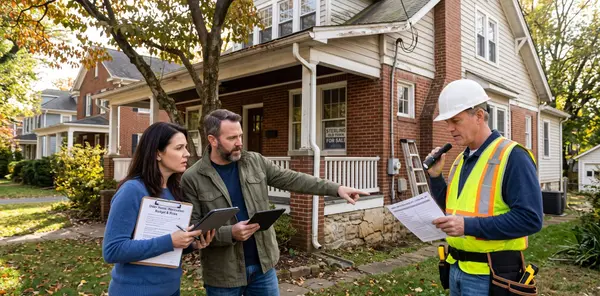
Home Inspection Process
Most Virginia buyers include a home inspection contingency. The inspection typically covers:
- Structural components (foundation, framing, roof)
- Major systems (HVAC, plumbing, electrical)
- Appliances and fixtures
- Water heater, attic, and basement conditions
- Evidence of water damage, pests, or mold
After the inspection, buyers typically:
- Accept the property as-is
- Request repairs (usually for significant issues, not cosmetic items)
- Request a credit toward closing costs
- Request a price reduction
- Void the contract (within the contingency period)
Virginia-Specific Disclosure Requirements
Virginia law requires sellers to complete the Residential Property Disclosure Statement, which covers:
- Known defects in structural components, systems, and appliances
- Environmental hazards (lead paint, radon, asbestos)
- Property boundary issues
- HOA information and fees
- Flood zone status
- Pending assessments or legal disputes
Honest disclosure protects you from future legal liability. When in doubt, disclose.
The Appraisal Process
If the buyer is financing the purchase, their lender will order an appraisal to confirm the home's value supports the loan amount.
If the appraisal meets or exceeds the purchase price: The transaction proceeds normally.
If the appraisal comes in low: Several options exist:
- Buyer pays the difference in cash
- Seller reduces the price to the appraised value
- Both parties negotiate a compromise
- Buyer challenges the appraisal
- The contract is voided
Title Search and Insurance
The title company will search public records to ensure you have clear ownership and can legally transfer the property. Title issues that may arise include:
- Outstanding liens or judgments
- Unpaid property taxes
- Boundary disputes
- Errors in previous deeds
Most issues can be resolved before closing, though some may require legal assistance.
Step 8: Close the Sale and Transfer Ownership
Closing day is when ownership officially transfers and you receive your proceeds. Virginia closings typically take place at a title company or attorney's office.
What to Bring to Closing
- Government-issued photo ID
- All house keys, garage remotes, and access codes
- Any documents requested by the settlement agent
Documents You'll Sign
Sellers sign fewer documents than buyers, but expect to review and sign:
- Settlement statement (showing all financial details)
- Deed (transferring ownership)
- Affidavit of title
- 1099-S form (reporting the sale to the IRS)
- Any HOA transfer documents
Receiving Your Proceeds
After signing, the title company disburses funds. You'll receive your net proceeds via:
- Wire transfer (same day or next business day)
- Certified check
Wire transfer is the preferred method for large amounts due to security and speed.
Post-Closing Tasks
- Cancel homeowner's insurance (effective after closing)
- Transfer or cancel utilities
- Update your address with the post office, banks, and subscriptions
- Keep closing documents for tax purposes
🏠 Planning Your Next Move?
If you're buying another home in Virginia, having a clear strategy helps you compete and win.
Understanding Virginia Selling Costs
Knowing your costs upfront prevents surprises at closing. Virginia sellers typically pay 8–10% of the sale price in total selling costs.
Breakdown of Typical Selling Costs
| Cost Category | Typical Range | On a $600,000 Sale |
|---|---|---|
| Listing agent commission | 1.5%–3% | $9,000–$18,000 |
| Buyer's agent commission* | 2%–3% | $12,000–$18,000 |
| Virginia grantor tax | $1 per $1,000 (state) | $600 |
| Regional/local grantor tax** | $0.50–$1.50 per $1,000 | $300–$900 |
| Congestion relief fee*** | $0.15 per $100 | $900 (NoVA only) |
| Title insurance (owner's policy) | 0.2%–0.3% | $1,200–$1,800 |
| Settlement/closing fees | $500–$1,200 | $500–$1,200 |
| HOA transfer/disclosure fees | $200–$500 | $200–$500 |
| Prorated property taxes | Varies | Varies |
| Mortgage payoff | Remaining balance + interest | Varies |
| Estimated Total | 8%–10% | $48,000–$60,000 |
*Buyer's agent compensation structure may vary based on buyer-broker agreements following recent industry changes.
**Regional grantor taxes vary by locality. Northern Virginia and Hampton Roads have additional regional taxes.
***Congestion relief fee applies only to Northern Virginia localities (Fairfax, Loudoun, Prince William, Arlington, and Alexandria).
Ways to Reduce Selling Costs
While some costs are fixed (like transfer taxes), others are negotiable:
- Commission rates: Full-service listing options starting at 1.5% listing fees can save thousands without compromising marketing or service quality
- Title company selection: Compare rates from multiple title companies
- Repair negotiations: Offer credits instead of making repairs (often preferred by buyers anyway)
- Timing: Avoid rushed sales that may require price concessions
Use a seller net sheet calculator to estimate your exact proceeds based on your specific situation.
Virginia Home Selling Timeline
Understanding the typical timeline helps you plan your move and set realistic expectations.
| Phase | Typical Duration | Key Activities |
|---|---|---|
| Preparation | 2–4 weeks | Repairs, decluttering, staging, photography |
| Active marketing | 2–6 weeks* | Showings, open houses, offer collection |
| Under contract | 30–45 days | Inspections, appraisal, loan processing |
| Closing | 1 day | Final walkthrough, signing, fund disbursement |
| Total | 60–90+ days | From listing to closing |
*Market time varies significantly by location, price point, condition, and market conditions. Well-priced homes in competitive Northern Virginia markets often receive offers within 1–2 weeks.
Best Time to Sell in Virginia
While Virginia homes sell year-round, market activity varies seasonally:
Spring (March–May): Peak selling season with the most buyer activity and highest prices.
Summer (June–August): Strong activity, though August can slow as families prepare for school.
Fall (September–November): Solid market with motivated buyers before the holidays.
Winter (December–February): Slower market, but less competition and more serious buyers.
Common Mistakes Virginia Sellers Make
Avoiding these pitfalls can save you time, stress, and money.
1. Overpricing Based on Emotion
Your home's value is determined by what buyers will pay, not by what you've invested or what you need. Sentimental value doesn't translate to market value.
2. Neglecting Curb Appeal
Buyers often decide whether they're interested before entering the home. A neglected exterior sends the wrong message.
3. Being Present During Showings
Buyers feel uncomfortable inspecting a home when the owner is present. They can't speak freely with their agent or imagine themselves living there.
4. Hiding Known Problems
Virginia disclosure requirements exist for a reason. Concealing defects can lead to lawsuits after closing. Transparency protects you legally.
5. Rejecting Reasonable Offers Early
Your first offer is often your best. Interest peaks when your home is new to the market. Dismissing early offers waiting for something better often backfires.
6. Taking Negotiations Personally
Buyer requests for repairs or price adjustments aren't insults—they're normal parts of the transaction. Emotional reactions can derail deals unnecessarily.
7. Choosing an Agent Based on Highest Price Estimate
Some agents inflate price estimates to win listings, then push for reductions later. Choose an agent based on their data-driven analysis and track record, not promises.
8. Skimping on Photography
Professional photography isn't a luxury—it's essential. Most buyers find homes online first, and poor photos mean fewer showings.
Alternatives to Traditional Home Selling
The traditional listing process works well for most sellers, but it isn't the only option. Consider these alternatives based on your priorities.
Cash Offers and iBuyers
If speed and convenience are your top priorities, a cash offer option may be worth exploring. Cash buyers typically close in 1–3 weeks with no financing contingencies, inspections negotiations, or showings.
The trade-off is price—cash offers are typically 5–15% below market value. This may be worthwhile if you need to relocate quickly, have an inherited property, or want to avoid the hassle of preparing and showing your home.
For Sale By Owner (FSBO)
Some sellers attempt to save on commissions by selling without an agent. However, FSBO homes typically sell for less than agent-listed homes, often negating the commission savings.
FSBO can work if you already have a buyer (like a neighbor or family member) or have significant real estate experience.
Discount Brokerages
Some brokerages offer limited services at reduced rates. Understand exactly what services are included—and excluded—before committing. A lower commission that results in a lower sale price isn't actually a savings.
Comparison of Selling Options
| Option | Pros | Cons |
|---|---|---|
| Traditional listing | Maximum exposure, highest sale price potential, professional guidance | Longer timeline, showings inconvenience, commission costs |
| Cash offer | Speed, certainty, no showings or repairs | Lower sale price (5–15% below market) |
| FSBO | No listing commission | Limited exposure, lower sale prices, legal/paperwork complexity |
| Discount brokerage | Lower commission | Limited services, less personalized attention |
Frequently Asked Questions
How long does it take to sell a house in Virginia?
On average, Virginia homes take 60–90 days from listing to closing. This includes 2–6 weeks of active marketing to receive an offer, followed by 30–45 days under contract for inspections, appraisal, and loan processing. Well-priced homes in competitive markets like Northern Virginia often sell faster, sometimes within days of listing.
What are the closing costs when selling a house in Virginia?
Virginia sellers typically pay 8–10% of the sale price in total costs. This includes agent commissions (negotiable, ranging from 3–6% total), state grantor tax ($1 per $1,000), regional transfer taxes (varies by locality), title insurance, settlement fees, and prorated property taxes. Northern Virginia sellers also pay an additional congestion relief fee of $0.15 per $100.
Do I have to pay capital gains tax when selling my Virginia home?
If you've lived in your home as your primary residence for at least 2 of the past 5 years, you can exclude up to $250,000 in capital gains ($500,000 for married couples filing jointly) from federal taxes. Virginia does not have a separate state capital gains tax—gains are taxed as ordinary income. Consult a tax professional for advice specific to your situation.
What must I disclose when selling a home in Virginia?
Virginia law requires sellers to complete the Residential Property Disclosure Statement. You must disclose known defects in the structure, systems, and appliances; environmental hazards like lead paint, radon, or asbestos; HOA information; flood zone status; and any pending legal actions or assessments. Honest disclosure protects you from future liability.
What is the best month to sell a house in Virginia?
Spring months (March through May) typically see the most buyer activity and highest sale prices in Virginia. However, the best time to sell depends on your specific circumstances, local market conditions, and inventory levels. Homes in desirable areas sell well year-round, and winter listings face less competition.
How much commission do real estate agents charge in Virginia?
Agent commissions in Virginia are negotiable and typically range from 5–6% total, split between the listing and buyer's agents. However, full-service options exist at lower rates. For example, some experienced teams offer listing services at 1.5% without reducing marketing, negotiation quality, or representation—potentially saving sellers thousands of dollars compared to traditional commission structures.
Should I make repairs before selling or sell as-is?
For most sellers, making necessary repairs before listing yields better net results than selling as-is. Visible problems give buyers negotiating leverage and can delay financing. Focus on repairs that affect functionality, safety, and first impressions. Cosmetic upgrades may not be necessary, and expensive renovations rarely return their full cost.
Can I sell my house in Virginia if I still owe money on my mortgage?
Yes. Most home sales involve paying off an existing mortgage. At closing, your mortgage balance (plus any accrued interest) is paid directly to your lender from the sale proceeds. You receive the remaining balance after all closing costs are paid. If you owe more than your home is worth, you may need to negotiate a short sale with your lender.
How do I choose the best real estate agent to sell my home in Virginia?
Look for an agent with demonstrated expertise in your local market, a strong track record of recent sales, and a comprehensive marketing plan. Interview at least 2–3 agents and ask about their pricing methodology, average days on market, and list-price-to-sale-price ratio. Consider their communication style and commission structure. In Northern Virginia, teams like Jamil Brothers Realty Group have established track records with extensive local experience across Loudoun County, Fairfax County, and surrounding communities.
What happens if my home doesn't appraise for the sale price?
A low appraisal doesn't automatically kill the deal. Options include: the buyer paying the difference in cash, negotiating a price reduction to the appraised value, meeting somewhere in the middle, or the buyer challenging the appraisal. Your agent can help you navigate these negotiations based on market conditions and buyer motivation.
Is staging worth it when selling a home in Virginia?
Research consistently shows staged homes sell faster and for higher prices than non-staged homes. In competitive Virginia markets, professional staging can be particularly effective. If professional staging isn't in your budget, focus on decluttering, depersonalizing, and arranging furniture to maximize space and flow. Even partial staging (focusing on key rooms like the living room, primary bedroom, and kitchen) can make a significant difference.
What is the congestion relief fee in Northern Virginia?
The Northern Virginia congestion relief fee is an additional grantor tax of $0.15 per $100 of sale price (equivalent to $1.50 per $1,000) that applies to property transfers in Fairfax County, Loudoun County, Prince William County, Arlington County, and the City of Alexandria. On a $600,000 home, this adds approximately $900 to closing costs. This fee funds regional transportation improvements.
Glossary of Key Terms
Appraisal: A professional assessment of a property's market value, required by lenders before approving a mortgage.
Closing costs: Fees and expenses paid at the finalization of a real estate transaction, beyond the property's sale price.
Comparative Market Analysis (CMA): A report prepared by a real estate agent comparing your property to similar recently sold homes to determine market value.
Contingency: A condition that must be met before a real estate transaction can be completed, such as financing approval or satisfactory home inspection.
Earnest money deposit (EMD): A good-faith deposit made by a buyer when submitting an offer, showing serious intent to purchase.
Escrow: A neutral third party that holds funds and documents during a real estate transaction until all conditions are met.
Grantor tax: A transfer tax paid by the seller in Virginia when property ownership changes hands.
Listing agreement: A contract between a property owner and a real estate broker authorizing the broker to represent the seller.
Multiple Listing Service (MLS): A database of properties for sale shared among real estate agents, providing broad market exposure.
Net proceeds: The amount a seller receives after all costs, fees, and mortgage payoffs are deducted from the sale price.
Pre-approval: A lender's written commitment to provide a mortgage up to a specified amount, based on verified financial information.
Settlement: The final step in a real estate transaction where ownership transfers from seller to buyer (also called "closing").
Title insurance: Insurance protecting against financial loss from defects in title, such as liens, encumbrances, or ownership disputes.
Under contract: The status of a property after a seller accepts an offer but before closing occurs.
Ready to Sell Your Virginia Home?
Get expert guidance from a local Northern Virginia team with a proven track record—and save with a full-service 1.5% listing fee.
Selling a home in Virginia involves many moving parts, but with the right preparation, pricing strategy, and professional guidance, you can navigate each step successfully. Whether you're selling in competitive Northern Virginia markets or elsewhere across the Commonwealth, understanding the process puts you in control of your real estate transaction.
Take the first step today by getting a professional home evaluation to understand your home's current market value.
Categories
- All Blogs (1227)
- Aldie (3)
- Ashburn (6)
- Buyer Guide (8)
- Buying a home (2)
- Buying Strategies (30)
- festivals (1)
- General Blog (67)
- Leesburg (5)
- Market Intelligence (29)
- Market Updates (8)
- Notable Properties For Sale (32)
- Real Estate Tips, News, and More (385)
- Seller Guide (2)
- Seller Guides (60)
- Selling Your Home (522)
- Sterling (6)
- Top Realtors in Northern Virginia (58)
Recent Posts

Message Sent!
Thank you for reaching out. Arslan & Saad have received your details and will be in touch shortly.
Need immediate assistance? Call or text 703-782-4830.