
Winter Storm Hits Northern Virginia: What It Means for Homeowners
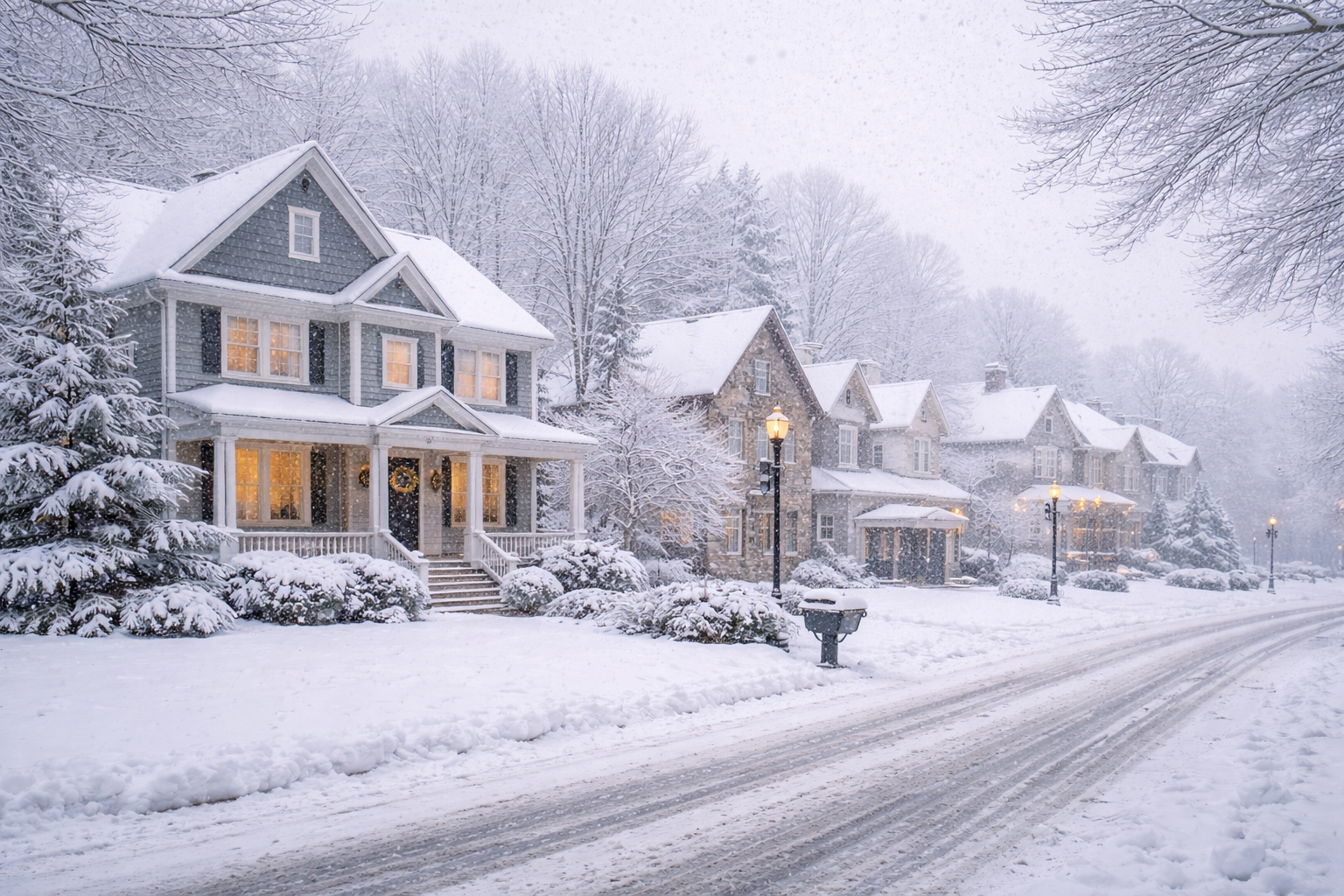
A major winter storm brought snow, ice, hazardous roads, and power outages to communities across Northern Virginia in 2025. Beyond travel disruptions and school closures, severe winter weather can expose property-maintenance problems, delay inspections and showings, affect moving schedules, and temporarily influence activity in the Northern Virginia real estate market.
For homeowners, the immediate priorities include checking for roof damage, frozen pipes, drainage problems, and power-related issues. Buyers may gain useful insight into a property’s insulation, heating system, accessibility, and winter performance, while sellers may need to adjust showing schedules and improve snow and ice safety. Here is what winter storms can mean for homeowners, buyers, and sellers throughout Fairfax, Loudoun, Prince William, and surrounding Northern Virginia communities.
⚡ Quick Facts at a Glance
- Storm Date: January 25, 2025
- Estimated Snowfall: 4–8 inches across NOVA
- Power Outages: Tens of thousands reported across Fairfax and Loudoun counties
- Road Conditions: VDOT reported hazardous conditions through Sunday morning
- Real Estate Impact: Open houses canceled, inspections delayed, insurance claims expected to rise
- Market Note: Winter storms historically create short-term slowdowns but reveal serious buyer intent
📑 Table of Contents
- What Happened Yesterday
- Why Winter Storms Matter for Real Estate
- Homeowner Damage Checklist
- Insurance & Claims Considerations
- Why Buyers Have an Advantage in Winter
- Seller Strategy After a Storm
- Neighborhoods Most Impacted
- The Northern Virginia Infrastructure Edge
- Pros & Cons of Winter Transactions
- What to Do Next
🌨️ What Happened Yesterday
A fast-moving winter storm barreled through the Mid-Atlantic region on Saturday, January 25th, dropping between 4 and 8 inches of snow across Northern Virginia—with some areas in Loudoun County reporting higher totals. Freezing temperatures followed the snowfall, creating icy conditions on roads and sidewalks that persisted into Sunday morning.
Dominion Energy and NOVEC reported tens of thousands of customers without power at the storm's peak, particularly in areas with older tree canopy like McLean, Great Falls, and parts of Reston. VDOT crews worked through the night to clear primary roads, but many secondary roads and residential neighborhoods remained snow-covered well into Sunday.
For the real estate market, this meant canceled open houses, postponed home inspections, delayed closings, and a weekend where buyer activity effectively paused. But as we'll explain, that pause doesn't mean opportunity has vanished—quite the opposite.
🏠 Why Winter Storms Matter for Real Estate
It's easy to dismiss a snowstorm as a minor inconvenience, but for anyone actively buying, selling, or owning property in Northern Virginia, winter weather events carry real implications:
- Property Stress Testing: Storms reveal vulnerabilities—leaky roofs, poor drainage, aging HVAC systems, and insufficient insulation become apparent.
- Market Timing: Buyer traffic slows, but those who show up are serious. Tire-kickers don't brave icy roads.
- Transaction Delays: Inspections, appraisals, and even closings can get pushed back, affecting contract timelines.
- Insurance Awareness: Claims spike after storms, and homeowners often discover gaps in their coverage.
- Neighborhood Reputation: How quickly a community clears roads and restores power becomes a selling point—or a red flag.
💡 Pro Tip: If you're touring homes in winter, pay attention to how well the property handles the elements. Is the driveway graded properly? Are there ice dams on the roof? Does the basement smell damp? Winter showings reveal what summer showings hide.
✅ Homeowner Damage Checklist
If you own property in Northern Virginia, now is the time to assess your home for storm-related issues. Even if everything looks fine at first glance, winter storms can cause damage that worsens over time if left unaddressed.
Walk through this checklist today:
- Roof: Look for missing shingles, ice dams along the eaves, or sagging gutters weighed down by ice.
- Pipes: Check exposed pipes in basements, crawl spaces, and garages for signs of freezing or bursting.
- Foundation: Walk the perimeter and look for new cracks or water pooling near the foundation.
- Trees & Landscaping: Inspect trees for broken limbs that could fall on the home, fence, or vehicles.
- HVAC System: Ensure your heating system is running efficiently; storms strain older systems.
- Attic: Check for moisture, frost, or signs of heat loss indicating insulation issues.
- Sump Pump: Test it now before snowmelt overwhelms your basement.
📋 Insurance & Claims Considerations
Winter storm damage typically falls under standard homeowners insurance policies, but coverage varies significantly depending on your policy, deductible, and the nature of the damage. Here's what Northern Virginia homeowners should know:
| Type of Damage | Typically Covered? |
|---|---|
| Roof damage from ice or fallen branches | Yes, under dwelling coverage |
| Burst pipes from freezing | Yes, if you maintained heat in the home |
| Water damage from ice dams | Usually yes, check policy details |
| Flooding from snowmelt | No—requires separate flood insurance |
| Power outage spoiled food | Sometimes, with limits ($500 typical) |
| Fence or shed damage | Yes, under other structures coverage |
Document everything. Take photos, save receipts, and report claims promptly. If you experienced significant damage, consider getting a professional inspection before filing—it strengthens your claim and ensures nothing is missed.
🔑 Why Buyers Have an Advantage in Winter
Conventional wisdom says spring is the best time to buy a home, but savvy buyers know that winter—especially right after a storm—can offer distinct advantages:
- Less Competition: Many buyers wait for warmer weather, reducing bidding wars.
- Motivated Sellers: Homes listed in January often have sellers with real deadlines—relocation, financial needs, or estate situations.
- True Condition Revealed: Winter weather exposes a home's weaknesses. You'll see how it really performs.
- Negotiating Leverage: Longer days on market in winter mean sellers may be more flexible on price and terms.
- Faster Closings: Lenders and title companies are less backed up than during spring rush.
🏆 The Serious Buyer Signal: Showing up to tour homes in the snow tells sellers you're committed. That credibility can make a difference in negotiations, especially in multiple-offer situations.
📈 Seller Strategy After a Storm
If your home is currently on the market—or you're planning to list soon—yesterday's storm doesn't have to derail your plans. Here's how to turn a weather setback into a selling advantage:
- Clear the Snow Promptly: A shoveled driveway and salted walkway signal a well-maintained home.
- Reschedule Open Houses: Don't force it. A Tuesday evening showing in clear weather beats a dangerous Saturday drive.
- Highlight Winter Features: Cozy fireplace? Heated garage? Newer windows? Now's the time to showcase them.
- Address Visible Issues: If gutters are sagging or there's ice buildup, fix it before buyers see it.
- Update Listing Photos: A fresh exterior photo with light snow can look charming—heavy, dirty snow does not.
Remember: buyers who tour your home right now are serious. They're not casually browsing—they need to move. Price your home competitively and make it easy for them to say yes.
📍 Neighborhoods Most Impacted
While the storm affected all of Northern Virginia, some areas experienced more significant impacts due to tree coverage, power infrastructure age, and elevation. Based on early reports:
- Great Falls & McLean: Heavy tree canopy led to more power outages and downed limbs.
- Reston (Older Sections): Underground utilities helped, but some areas saw prolonged outages.
- Ashburn & South Riding: Newer infrastructure meant faster recovery, but higher snow totals caused drifting.
- Fairfax City & Annandale: Hilly terrain made roads treacherous longer than usual.
- Woodbridge & Lake Ridge: Mixed reports—some neighborhoods fared well, others saw flooding concerns as snow began melting.
For buyers, this is a reminder to research not just the home, but the neighborhood's infrastructure resilience. HOA snow removal policies, underground utilities, and proximity to power substations all matter.
🏙️ The Northern Virginia Infrastructure Edge
One reason Northern Virginia real estate holds its value—even through challenging weather—is the region's investment in infrastructure. Compared to many parts of the country, NOVA benefits from:
- VDOT's Snow Response: Virginia's Department of Transportation pre-treats roads and deploys plows quickly on major arteries.
- Newer Subdivisions: Many communities built in the last 20 years have underground utilities, reducing outage risk.
- HOA Maintenance: Active HOAs in planned communities often handle snow removal for common areas and sidewalks.
- Hospital & Emergency Access: World-class medical facilities like Inova Fairfax are accessible even in bad weather.
- Metro Resilience: While not immune to delays, Metro provides an alternative when roads are impassable.
🔍 Buyer Tip: When evaluating neighborhoods, ask how long power was out during the last major storm. It's a telling indicator of infrastructure quality and utility company responsiveness.
⚖️ Pros & Cons of Winter Transactions
Thinking about buying or selling right now? Here's a balanced look at what you're working with:
| ✅ Pros | ⚠️ Cons |
|---|---|
| Less buyer competition | Fewer listings to choose from |
| Motivated sellers more flexible | Weather delays inspections and closings |
| See home's true condition in winter | Curb appeal harder to assess under snow |
| Faster lender processing | Moving in winter is more challenging |
| Serious buyers only—less flaky showings | Shorter days limit showing times |
🎯 What to Do Next
Whether the storm left you with a damaged roof or simply reminded you that it's time to make a move, here's how to position yourself:
- Homeowners: Complete your damage assessment this week. Document issues and contact your insurance company if needed.
- Buyers: Don't let winter slow you down. Fewer buyers in the market means more leverage for you. Get pre-approved and start touring.
- Sellers: Address any visible storm damage immediately. A well-maintained home in winter stands out.
- Investors: Watch for distressed sellers who may be more motivated after unexpected repair costs.
Ready to Make Your Move?
The Jamil Brothers Realty Group helps buyers, sellers, and homeowners across Northern Virginia navigate every season—including the storms. Whether you're ready to buy, sell, or just want to know what your home is worth, we're here to help.
Search Homes for Sale Get a Free Home Evaluation Sell for Just 1.5% Listing Fee
Categories
- All Blogs (1148)
- Aldie (3)
- Ashburn (6)
- Buyer Guide (8)
- Buying a home (2)
- Buying Strategies (28)
- festivals (1)
- General Blog (66)
- Leesburg (5)
- Market Intelligence (29)
- Market Updates (8)
- Notable Properties For Sale (29)
- Real Estate Tips, News, and More (376)
- Seller Guide (2)
- Seller Guides (60)
- Selling Your Home (459)
- Sterling (6)
- Top Realtors in Northern Virginia (58)
Recent Posts


Message Sent!
Thank you for reaching out. Arslan & Saad have received your details and will be in touch shortly.
Need immediate assistance? Call or text 703-782-4830.