
What to Fix (and What NOT to Fix) Before Selling Your Home
What to Fix (and What NOT to Fix) Before Selling Your Home
A Smart Seller’s Guide to Maximizing Value Without Wasting Money
When you decide to sell your home, the first question is almost always:
“What should I fix before putting it on the market?”
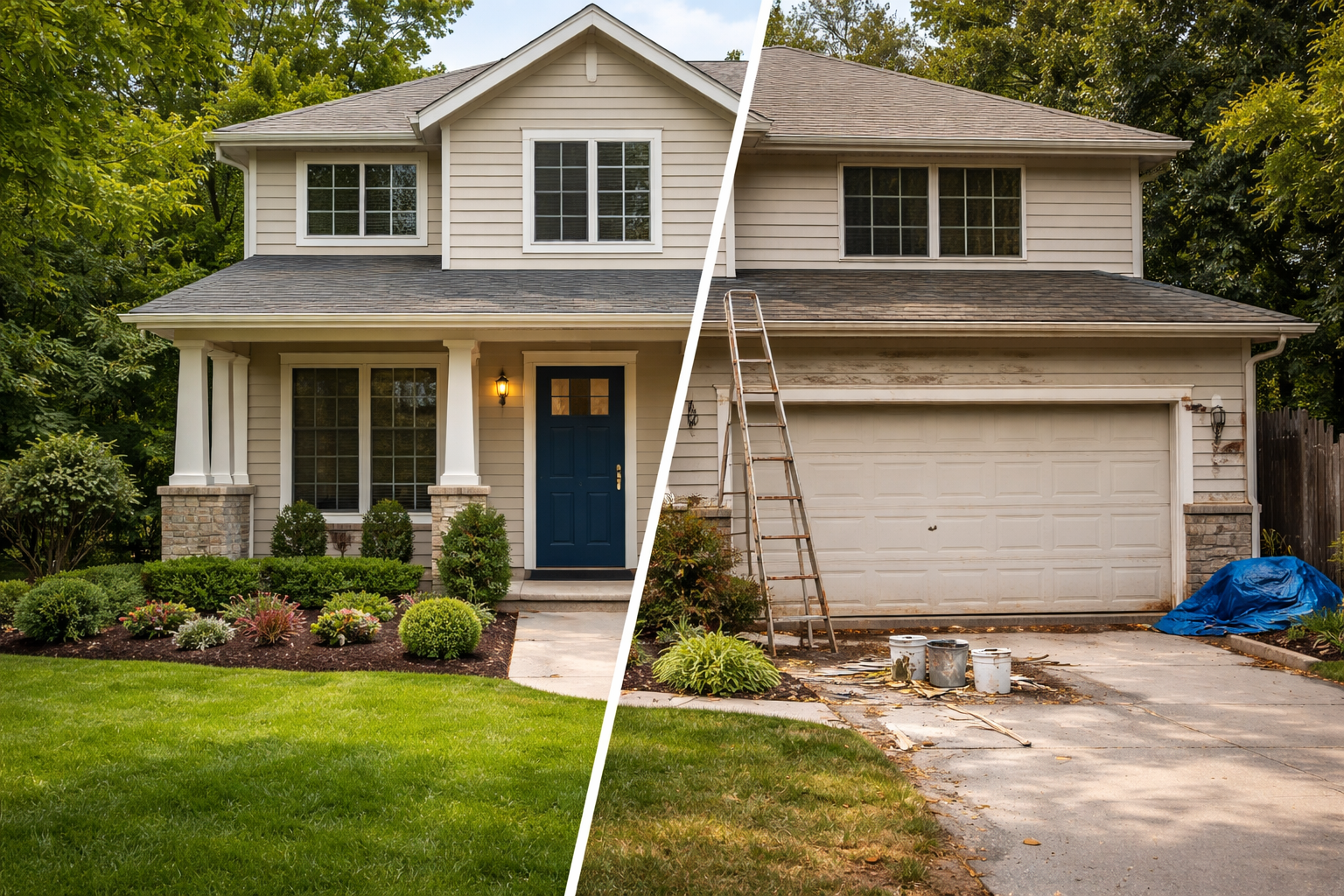
Some homeowners spend tens of thousands on renovations they’ll never fully recover. Others do too little and watch buyers negotiate the price down.
The goal isn’t to renovate your home into perfection.
The goal is to protect your price, attract strong offers, and sell with confidence.
Here’s how to know what’s worth fixing — and what’s better left alone.
What You SHOULD Fix Before Selling
These improvements protect your value and prevent buyer hesitation.
1. Major Repairs That Affect Financing
If an issue can show up in an inspection or impact a buyer’s loan approval, it needs attention.
Focus on:
-
Roof damage or missing shingles
-
HVAC systems that aren’t functioning properly
-
Active plumbing leaks
-
Electrical hazards or outdated panels
Serious repair issues can:
-
Kill deals during inspection
-
Trigger price reductions
-
Delay closing
Fixing these upfront keeps transactions smooth and protects your negotiating power.
2. Cosmetic Issues That Signal Neglect
Buyers notice small flaws — and they often assume small problems mean bigger hidden ones.
Prioritize:
-
Repainting bold or scuffed walls in neutral tones
-
Repairing drywall holes or cracks
-
Replacing broken light fixtures or outdated hardware
-
Fixing doors that stick or handles that wobble
These are relatively low-cost updates with high visual impact. A clean, well-maintained appearance builds buyer confidence instantly.
3. Curb Appeal Basics
First impressions matter more than most sellers realize.
Simple upgrades can dramatically increase showing interest:
-
Fresh mulch in flower beds
-
Trimmed hedges and tidy landscaping
-
Power-washed driveway and walkways
-
A freshly painted or cleaned front door
In suburban markets especially, curb appeal drives traffic. If buyers aren’t impressed from the outside, they may never step inside.
What You Should NOT Fix (In Most Cases)
This is where many sellers overspend.
1. A Full Kitchen Remodel
Unless your kitchen is severely outdated or damaged, avoid a complete renovation.
Why?
-
Buyers often want their own style preferences
-
You rarely recover dollar-for-dollar on luxury remodels
-
It can delay your listing timeline
Instead, consider a light refresh:
-
Repaint cabinets
-
Update hardware
-
Replace outdated lighting
Small upgrades go a long way.
2. High-End Luxury Upgrades in a Mid-Range Neighborhood
Your home’s value is influenced by nearby comparable properties.
Adding:
-
Marble bathrooms
-
Custom wine cellars
-
Outdoor kitchens
-
Extensive smart home systems
may not increase your sale price proportionately.
Buyers compare your home to others in the area. Over-improving beyond neighborhood standards can actually hurt ROI.
3. Replacing Flooring (Unless It’s Damaged)
If flooring is structurally sound:
-
Refinish hardwood instead of replacing
-
Professionally clean carpets
-
Use staging to modernize the look
Full flooring replacement is often unnecessary and expensive.
The Smart Seller Strategy
Before spending a dollar, take a strategic approach.
-
Analyze comparable homes in your neighborhood
-
Understand what buyers expect at your price point
-
Improve based on ROI — not emotion
The goal is simple:
Position your home as well-maintained, move-in ready, and competitively priced.
You don’t need to renovate your entire home to get strong offers.
Focus on:
-
Fixing issues that impact inspections and financing
-
Addressing visible signs of neglect
-
Enhancing curb appeal
-
Avoiding over-improvements that won’t return value
When done correctly, smart pre-listing preparation can mean:
-
Faster sales
-
Stronger offers
-
Smoother closings
Before making major upgrades, consult with a real estate professional who understands your local market. A strategic plan will always outperform emotional renovation decisions.
If you’re thinking about selling, start with strategy — not a sledgehammer.
Categories
- All Blogs (1235)
- Buyer Guide (7)
- Buying a home (2)
- Buying Strategies (30)
- festivals (1)
- General Blog (61)
- Market Intelligence (28)
- Market Updates (5)
- Notable Properties For Sale (32)
- Real Estate Tips, News, and More (396)
- Seller Guides (58)
- Selling Your Home (523)
- Top Realtors in Northern Virginia (57)
Recent Posts









Let's Connect