Why Walkable Communities May Be the Next Big Draw for Homebuyers
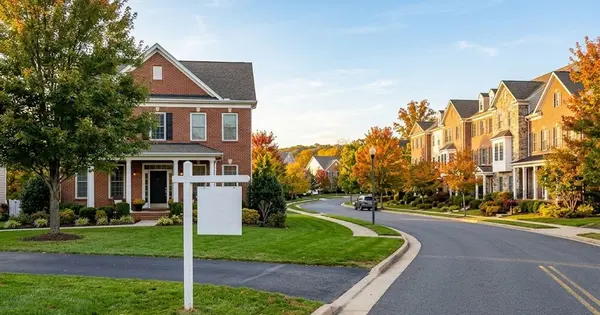
The way people choose where to live is changing. For decades, the dream home meant a spacious house in the suburbs with a big yard and a two-car garage. But as lifestyles evolve and priorities shift, more buyers in Northern Virginia are choosing something different — walkable communities where they can live, work, and play without relying on their cars.
If you’ve noticed new developments popping up near town centers or old office parks transforming into mixed-use neighborhoods, you’re seeing this trend unfold firsthand. In 2025, walkability has become one of the most desirable features for homebuyers — not just for convenience, but for quality of life.
Calculate Your Savings with 1.5% Listing
Get a free net proceeds estimate tailored to Fairfax County.
See how our 1.5% full-service listing program can help you keep more equity.
Free Net Proceeds CalculatorThe Rise of the Walkable Lifestyle
Walkable communities aren’t new, but their popularity has surged post-pandemic. Many people realized they value connection, accessibility, and time over long commutes and isolation.
Today’s buyers — especially Millennials and Gen Z professionals — want to live where they can grab coffee, shop for groceries, or meet friends without getting into a car.
In Northern Virginia, this has sparked rapid growth around places like Tysons, Reston, Arlington, and Fairfax City, where planners are investing heavily in pedestrian-friendly layouts, bike paths, and mixed-use zoning.
It’s not just a trend; it’s a fundamental lifestyle shift.
Why Homebuyers Are Prioritizing Walkability
So, what’s driving this demand for walkable living? Here are the top reasons homebuyers are making the switch:
1. Convenience Above All
Being able to walk to restaurants, stores, and entertainment saves time and reduces stress. It also means fewer hours in traffic — a major win for anyone who’s ever battled I-66 or Route 7.
2. A Sense of Community
Walkable areas naturally encourage social interaction. Running into neighbors, attending local events, or visiting farmers markets builds relationships and fosters a true sense of belonging.
3. Health and Wellness
Walking isn’t just good for the planet — it’s good for people. Studies show residents in walkable neighborhoods tend to be healthier, more active, and less stressed.
4. Sustainability and Environment
With more focus on sustainability, buyers are drawn to eco-conscious neighborhoods where walking and biking are encouraged over driving.
5. Higher Property Values
Homes in walkable areas often hold or increase in value faster than suburban counterparts. Buyers are willing to pay a premium for convenience and lifestyle perks.
Where Walkable Communities Are Growing in Northern Virginia
Northern Virginia’s local governments are pushing for urban-style development that mixes residential, retail, and public spaces. Here are a few notable examples:
- Reston Town Center (Fairfax County): A pioneer in walkable urban planning, blending high-rise condos, offices, and restaurants within minutes of the Metro.
- Tysons (Fairfax County): Once an office hub, it’s now transforming into a live-work-play destination with new housing, parks, and pedestrian zones.
- Mosaic District (Merrifield): Known for its trendy shops and entertainment, it’s one of the most walkable mixed-use centers in the region.
- One Loudoun (Ashburn): A growing community combining suburban space with urban energy — perfect for families and professionals alike.
- Old Town Alexandria: Historic charm meets modern walkability, drawing both locals and newcomers seeking a vibrant lifestyle near DC.
These developments are redefining what “home” looks like for a new generation of buyers.
The Economic Ripple Effect of Walkability
Beyond lifestyle benefits, walkable communities create economic advantages that ripple through local markets.
Local businesses thrive thanks to steady foot traffic. Property developers find walkable zones command higher rents and stronger resale values. Even cities benefit through increased tax revenue from thriving town centers.
For real estate investors and homeowners alike, this means long-term stability and a greater return on investment.
How Walkability Shapes the Real Estate Market in 2025
The 2025 housing market is all about value and lifestyle alignment. Buyers want homes that fit their daily routines and reflect their values — whether that means sustainability, connection, or convenience.
As a result, homes within or near walkable areas tend to:
- Sell faster due to higher demand
- Attract diverse buyers, from young professionals to retirees
- Maintain stronger resale values, even in slower markets
This shift is driving developers to focus on mixed-use communities that offer everything in one place — housing, entertainment, green space, and transit.
The Cultural Connection to Walkability
For many Native American communities, connection to the land and community has always been central to daily life. Walkable neighborhoods — where people engage directly with their surroundings and neighbors — echo that same principle of balance and interconnectedness.
It’s about living in rhythm with your environment — appreciating proximity, reducing waste, and valuing shared spaces. This natural, grounded way of living aligns perfectly with the modern push toward sustainable, community-focused development.
What Sellers Should Know About This Trend
If you’re selling a home in a walkable area, you have a powerful advantage. Highlighting features like proximity to shops, schools, trails, and parks can draw serious attention.
Here’s how to make the most of it:
- Include “walk score” or nearby amenities in your listing description.
- Showcase photos of local spots buyers would love.
- Emphasize safety, accessibility, and convenience.
Buyers are not just looking for square footage — they’re looking for connection and lifestyle.
How Buyers Can Find the Right Walkable Home
If you’re on the buying side, focus on these essentials:
- Check walkability ratings on platforms like Walk Score or local maps.
- Visit the area at different times to get a feel for activity, traffic, and safety.
- Consider transit access if you’ll be commuting.
- Look for mixed-use zoning — it’s a good sign of sustainable growth.
- Work with a local real estate agent who knows the best up-and-coming walkable neighborhoods.
The goal is to find a home that balances comfort, accessibility, and long-term value.
Bottom Line
Walkable communities are reshaping the future of Northern Virginia’s real estate landscape. They offer a lifestyle centered around connection, convenience, and sustainability — qualities that today’s buyers value deeply.
For sellers, it’s a golden opportunity to highlight lifestyle-driven features. For buyers, it’s a chance to invest in neighborhoods designed for people, not just cars.
As we move further into 2025, expect to see even more developments embracing walkability — proving that the future of homebuying isn’t just about location, but how we live within it.
Thinking about Selling Your Northern Virginia Home?
Let’s connect. I’ll walk you through your home’s value, your savings with 1.5%, and exactly what your net proceeds will look like—so you can move forward with confidence using our 1.5% full-service listing program.
Call Today: (703) 375-9583
Learn More About Our 1.5% Listing ProgramFAQ
Categories
- All Blogs (1227)
- Aldie (3)
- Ashburn (6)
- Buyer Guide (8)
- Buying a home (2)
- Buying Strategies (30)
- festivals (1)
- General Blog (67)
- Leesburg (5)
- Market Intelligence (29)
- Market Updates (8)
- Notable Properties For Sale (32)
- Real Estate Tips, News, and More (385)
- Seller Guide (2)
- Seller Guides (60)
- Selling Your Home (522)
- Sterling (6)
- Top Realtors in Northern Virginia (58)
Recent Posts
Message Sent!
Thank you for reaching out. Arslan & Saad have received your details and will be in touch shortly.
Need immediate assistance? Call or text 703-782-4830.